
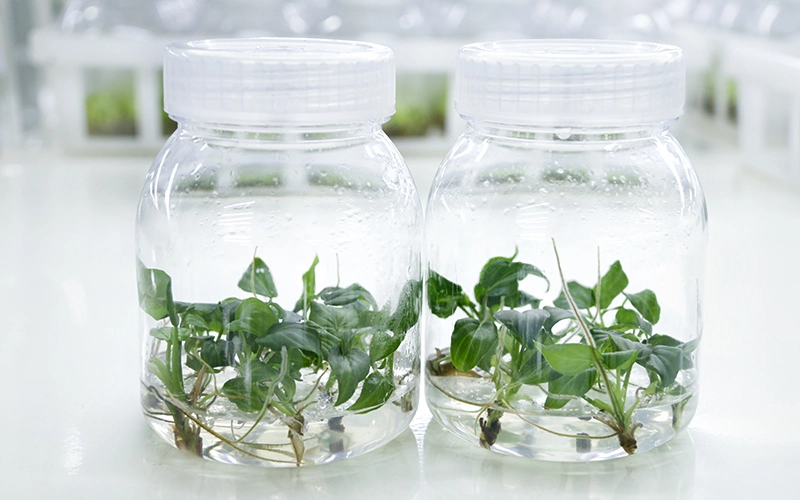
Quality is one of the most important considerations when purchasing tropical plants in bulk. Commercial nurseries, plant retailers, garden centers, and distributors need healthy planting material that can establish successfully and meet customer expectations. When plants are propagated through tissue culture, maintaining consistent standards throughout laboratory production, packaging, transportation, and acclimatization becomes especially important.
Sourcing Wholesale Tissue Culture Tropical Plants from a dependable supplier can help businesses obtain young plants produced under controlled conditions. However, buyers should understand how plant quality is assessed before placing large orders. Evaluating propagation standards, plant health, genetic consistency, packaging, and documentation can help reduce purchasing risks and support successful nursery production.
1. Understanding the Tissue Culture Production Process
Tissue culture is a plant propagation technique that uses small pieces of plant tissue to produce new plants under controlled laboratory conditions. The process generally involves selecting suitable source material, establishing cultures, multiplying shoots, developing roots, and preparing plants for transfer outside the laboratory.
Each stage requires appropriate procedures to maintain plant health and consistency. The quality of the original plant material, laboratory hygiene, growing medium, and environmental conditions can all influence the final product.
Buyers should ask suppliers about their production process and quality management practices. Understanding how plants are propagated provides useful insight into the standards applied before products are prepared for shipment.
2. Genetic Identity and Variety Consistency
Correct variety identification is essential for commercial plant production. Nurseries and retailers need to know that the plants they purchase match the product descriptions and customer requirements.
Tissue culture propagation can help maintain consistent genetic characteristics when suitable source material and controlled multiplication protocols are used. However, genetic stability should not simply be assumed. Certain propagation conditions and repeated multiplication cycles can sometimes lead to unwanted variations.
Reliable suppliers should maintain clear variety identification procedures and monitor plant characteristics during production.
Buyers should check:
- Whether botanical names and cultivar names are clearly provided
- How source plants are selected and maintained
- Whether production batches are properly labeled
- Whether the supplier monitors unexpected variations
- Whether product specifications match the delivered plants
These checks are particularly important when purchasing specialty tropical varieties or plants intended for branded retail collections.
3. Visual Appearance and Physical Condition
The physical condition of a plant is one of the easiest quality indicators for buyers to assess. Although tissue culture plants are often supplied at an early growth stage, they should still show characteristics appropriate to their variety and developmental stage.
When inspecting plants, buyers should look for healthy-looking foliage, suitable root development, and an overall condition consistent with the agreed specifications.
Important visual factors include:
- Foliage: Leaves should generally show normal development for the species, without widespread discoloration or severe damage.
- Roots: Root systems should be appropriate for the plant’s growth stage and not show obvious signs of decay.
- Growth: Shoots should display expected development without excessive deformities.
- Plant structure: The overall form should be consistent with the variety.
- Cleanliness: Plants should not show visible signs of unwanted contamination or pests.
Visual inspection should be combined with supplier documentation and, where possible, sample evaluation.
4. Laboratory Hygiene and Contamination Control
Maintaining clean laboratory conditions is a fundamental part of tissue culture production. Microbial contamination can interfere with plant development and affect the quality of entire production batches.
Professional laboratories use hygiene procedures and controlled working environments to reduce contamination risks. These may include sterilization of tools, appropriate handling of plant material, clean work areas, and regular monitoring of culture containers.
Buyers should ask suppliers how they monitor contamination and what procedures are followed when affected cultures are identified.
It is also useful to understand whether plants are inspected before being removed from laboratory containers and how they are prepared for packaging.
A supplier with clearly defined hygiene and inspection procedures is generally better positioned to maintain consistent production standards.
5. Root Development and Plant Readiness
Root development is an important factor when assessing tissue culture plants, particularly those supplied for nursery cultivation. Plants need suitable root systems to absorb water and nutrients after transfer into growing media.
The expected root condition depends on the plant species and its stage of development. Some plants may be supplied as rooted plantlets, while others may require additional establishment before transplanting.
Before ordering, buyers should clarify:
- Whether the plants are rooted or unrooted.
- What growth stage they have reached.
- Whether they have undergone any acclimatization.
- Which growing media are recommended.
- How they should be handled immediately after arrival.
Matching plant maturity with the nursery’s available facilities helps reduce handling difficulties and supports better establishment.
6. Acclimatization and Post-Laboratory Quality
Plants grown in laboratory environments often develop under conditions that differ significantly from those in commercial greenhouses. Their transition into normal nursery environments is therefore a critical stage of production.
Acclimatization allows plants to adjust to changes in humidity, light intensity, air movement, and water availability. Poor handling during this stage can lead to stress, leaf damage, or plant losses.
Buyers should ask whether the supplier provides acclimatization guidance and whether the plants have already completed any part of this process.
Nurseries should prepare suitable growing areas before shipment arrives. Gradual environmental adjustment, careful watering, and appropriate humidity management can help young plants adapt successfully.
7. Packaging and Transportation Standards
Even well-produced plants can lose quality if they are not packaged and transported correctly. Tissue culture plants may be sensitive to temperature fluctuations, excessive movement, and extended transit times.
Packaging should protect plants from physical damage and provide conditions appropriate for their growth stage. The most suitable method depends on whether plants are shipped in sealed culture containers, trays, or other formats.
When evaluating suppliers, buyers should ask about:
- Packaging materials and protective arrangements
- Plant positioning and handling procedures
- Expected transportation duration
- Temperature management where necessary
- Shipment tracking and delivery coordination
- Procedures for addressing damaged shipments
For international orders, buyers should also confirm the documentation and plant import requirements applicable to the destination country.
8. Product Documentation and Compliance
Quality standards should be supported by clear product information and appropriate documentation. This is especially important for commercial buyers who import plants or supply products to other businesses.
Depending on the species and destination market, relevant documents may include phytosanitary certificates, import permits, product specifications, and other required declarations.
Buyers should confirm which documents the supplier can provide and whether they meet the requirements of the relevant authorities.
It is also important to distinguish between general quality claims and independently supported certifications or test results. A supplier should be able to explain the meaning and scope of any certification it presents.
9. Batch Consistency and Quality Inspection
Commercial nurseries often purchase plants in large quantities, making batch consistency an important quality consideration. A single shipment may contain several trays or containers, and buyers need confidence that the products meet the agreed specifications.
A structured inspection process can help identify problems before plants enter the main production area.
A practical receiving checklist may include:
- Confirming the quantity and variety of each batch
- Checking labels against the purchase order
- Inspecting foliage and root condition
- Looking for visible contamination or damage
- Reviewing packaging condition
- Recording any quality concerns immediately
Suppliers should also have procedures for checking production batches before shipment. Buyers can ask whether inspection records or other supporting information are available.
10. Choosing Suppliers with Reliable Quality Management
The quality of wholesale tissue culture plants depends heavily on the supplier’s production knowledge, facilities, and management procedures. Buyers should therefore evaluate the supplier as carefully as the products themselves.
Consider the following factors when comparing potential suppliers:
Production experience: Look for suppliers with relevant experience in propagating the tropical plant varieties you need.
Quality control: Ask how source material, cultures, plantlets, and finished batches are inspected.
Product information: Check whether plant specifications and variety descriptions are clear and accurate.
Supply reliability: Confirm whether the supplier can meet your expected quantities and delivery schedules.
Technical support: Find out whether cultivation and acclimatization guidance is available.
Communication: Choose a supplier that responds clearly to questions and provides realistic information about availability and production timelines.
Requesting samples or placing a smaller trial order can help verify the supplier’s claims before committing to a substantial purchase.
11. Maintaining Quality After Receiving the Plants
Quality management does not end when plants arrive at the nursery. The buyer’s handling and cultivation practices also influence plant performance.
After delivery, plants should be inspected promptly and stored or acclimatized according to their specific requirements. Nursery staff should understand suitable humidity levels, light exposure, watering frequency, and growing media for each variety.
Keeping records of plant batches, arrival dates, growing conditions, and survival rates can help businesses identify patterns and improve future purchasing decisions.
Regular communication with suppliers is also useful when unexpected problems occur. Sharing clear information about plant condition and handling procedures can help determine whether an issue originated during production, transportation, or nursery cultivation.
Conclusion
Understanding the quality standards of wholesale tissue culture tropical plants helps commercial buyers make better sourcing decisions. Important factors include genetic identity, laboratory hygiene, physical condition, root development, acclimatization, packaging, documentation, and batch consistency.
A reliable supplier should maintain clear production and inspection procedures while providing accurate product information and appropriate technical guidance. By combining careful supplier evaluation with proper receiving and cultivation practices, nurseries and plant retailers can improve plant establishment, reduce avoidable losses, and maintain dependable product quality.