

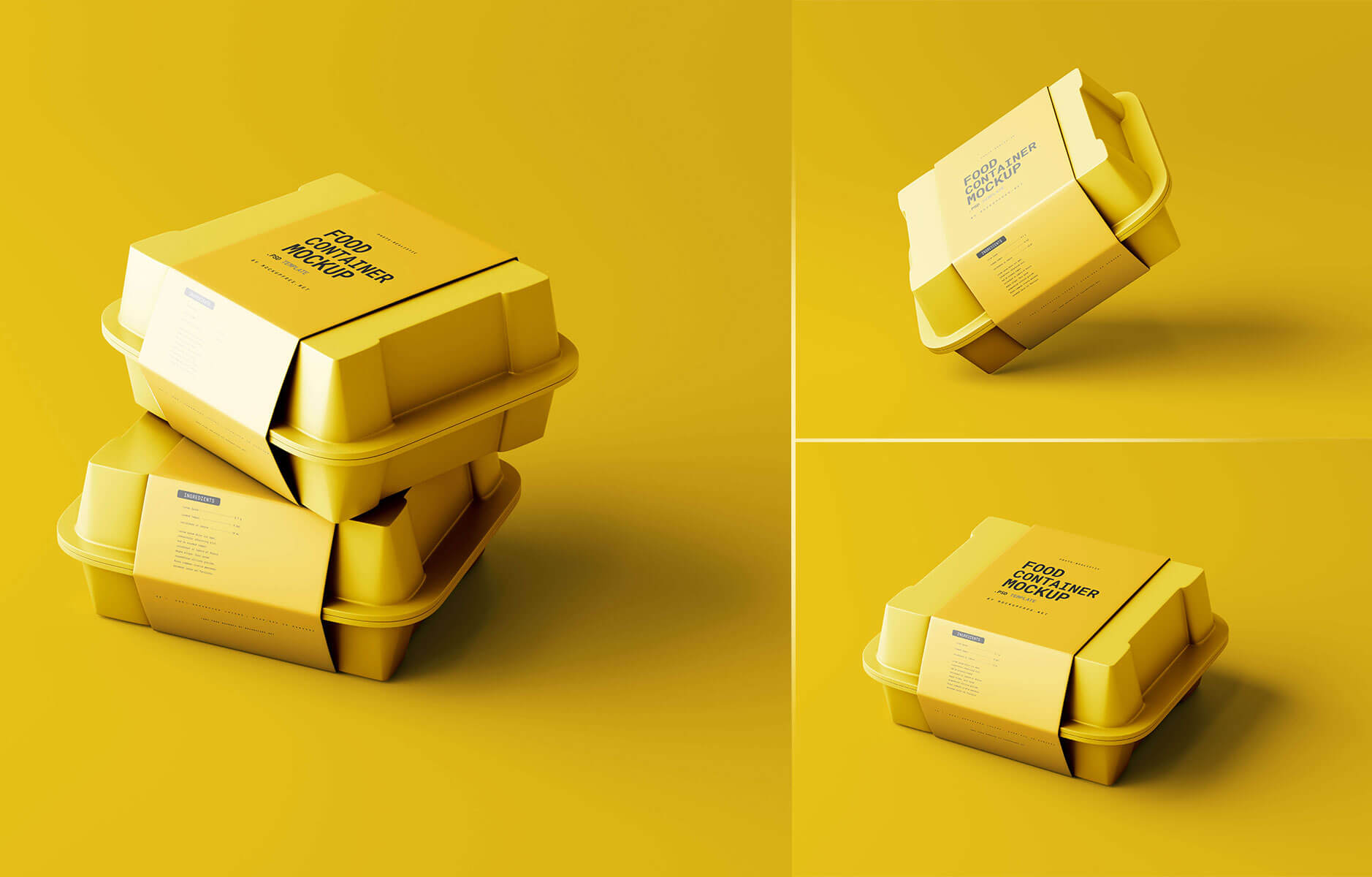
The fast food industry has seen significant changes in recent years, not only in menu offerings but also in the way food is packaged. Packaging now plays a crucial role in creating a memorable customer experience, maintaining food quality, and promoting brand identity. Fast food boxes have evolved from simple containers into versatile tools that combine functionality, sustainability, and visual appeal. Modern trends in design and branding are helping restaurants stand out in a competitive market.
One effective way to capitalize on these trends is through fast food boxes. These boxes are now being designed with innovative materials, unique structural features, and high-quality printing options that support both branding and operational efficiency. By adopting modern packaging trends, restaurants can enhance customer satisfaction while reinforcing their brand image.
Sustainable and Eco-Friendly Packaging
Sustainability has become a central focus in fast food packaging. Consumers are increasingly conscious of environmental impact and prefer brands that prioritize eco-friendly practices. As a result, biodegradable and compostable fast food boxes are gaining popularity. Materials like sugarcane bagasse, cornstarch, bamboo fiber, and recycled paper are being used to create boxes that are both durable and environmentally responsible.
Restaurants that adopt sustainable packaging not only reduce their ecological footprint but also appeal to environmentally conscious customers. Highlighting the use of eco-friendly materials on packaging can enhance brand perception and demonstrate a commitment to sustainability, aligning the restaurant with modern consumer values.
Functional and Ergonomic Design
Functionality is a key trend in fast food box design. Modern boxes are crafted to make food transport and handling more convenient while protecting the integrity of the meal. Features such as compartmentalized sections, vented lids, and secure locking mechanisms ensure that sauces, toppings, and side dishes remain separate and maintain freshness.
Ergonomic designs also improve usability for both restaurant staff and customers. Stackable boxes, easy-to-carry handles, and lightweight yet sturdy construction enhance efficiency during storage, delivery, and takeaway. Functional design trends focus on providing practical solutions without compromising the presentation or safety of the food.
Customization and Branding
Branding has become an integral part of fast food box design. Restaurants increasingly use packaging as a marketing tool to reinforce brand identity and create a memorable experience for customers. Customized boxes can feature logos, color schemes, slogans, or promotional messages, transforming the packaging into a medium for brand storytelling.
High-quality printing techniques, such as full-color digital printing or embossing, allow restaurants to create visually striking designs that stand out. Seasonal or limited-edition designs can engage customers further, while personalized packaging enhances brand recognition and encourages repeat visits.
Interactive and Smart Packaging
With the integration of technology, interactive packaging is emerging as a modern trend. Fast food boxes can now include QR codes, NFC tags, or augmented reality elements that link to digital menus, loyalty programs, or promotional content. These features enhance customer engagement and provide new marketing opportunities.
Some innovative packaging even incorporates smart features, such as temperature indicators or freshness markers, allowing customers to verify the condition of their food. This combination of technology and design adds value to the customer experience while supporting operational efficiency.
Minimalist and Modern Aesthetics
Minimalist design has become a popular trend in fast food packaging. Clean lines, simple color palettes, and elegant typography create a modern and sophisticated look that appeals to a wide range of customers. Minimalist designs are particularly effective in highlighting a brand’s logo and key messaging without overwhelming the consumer with cluttered graphics.
Modern aesthetics also reflect a commitment to quality and professionalism, enhancing the perceived value of the meal. Combined with eco-friendly materials and functional features, minimalist designs provide a comprehensive approach to packaging that balances form and function.
Focus on Customer Experience
Ultimately, the trends in fast food box design and branding are centered on enhancing the overall customer experience. Well-designed boxes ensure that meals arrive fresh, visually appealing, and easy to handle. Customization, sustainability, and interactive features create a memorable dining experience that encourages repeat business and strengthens brand loyalty.
By embracing innovative design trends, restaurants can differentiate themselves in a competitive market. Fast food boxes are no longer just containers; they are strategic tools that combine branding, functionality, and sustainability to create value for both the business and its customers.
Conclusion
Trends in fast food box design and branding reflect the evolving needs of modern consumers and the growing importance of packaging as a strategic business tool. From sustainable materials and ergonomic designs to customization, interactive features, and minimalist aesthetics, these innovations help restaurants maintain food quality, engage customers, and promote brand identity.
Investing in modern fast food boxes allows businesses to enhance operational efficiency, reduce environmental impact, and provide a superior customer experience. By keeping up with current packaging trends, restaurants can ensure that their brand remains relevant, appealing, and competitive in the fast-paced food industry.