
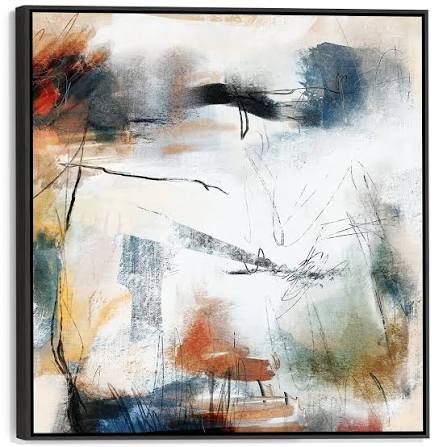
Modern abstract oil painting has developed through decades of artistic experimentation, cultural change, and evolving ideas about creative expression. Artists have continually challenged traditional approaches to representation by exploring new ways to use color, shape, texture, and composition. Many of the visual characteristics found in abstract oil paintings today can be traced to influential art movements that transformed how artists understand and create visual art.
A Modern Abstract Oil Painting often reflects ideas introduced by movements such as Cubism, Expressionism, Surrealism, Abstract Expressionism, and Minimalism. These movements encouraged artists to move beyond realistic representation and explore personal interpretation, emotional communication, and unconventional techniques. Understanding their influence provides a clearer picture of how contemporary abstract painting continues to evolve.
1. Cubism and the Exploration of Geometric Forms
Cubism emerged in the early twentieth century and changed the way artists represented objects and space. Instead of depicting subjects from a single viewpoint, Cubist artists explored multiple perspectives within one composition.
This approach introduced fragmented forms, overlapping planes, and geometric structures. Although Cubism often included recognizable subjects, its emphasis on breaking down traditional visual forms influenced later abstract artists.
Modern abstract oil painters continue to use these ideas through angular shapes, intersecting lines, and layered geometric arrangements. These elements can create a sense of movement and complexity while giving a painting a structured appearance.
2. Expressionism and Emotional Communication
Expressionism shifted artistic attention away from accurate representation and toward emotional experience. Artists used exaggerated forms, intense colors, and energetic brushwork to communicate personal feelings and interpretations of the world.
Its influence remains visible in modern abstract oil painting, where color and gesture can become the main vehicles of expression. A painting does not necessarily need a recognizable subject to communicate tension, excitement, calmness, or uncertainty.
Contemporary artists often use bold contrasts and expressive marks to create emotional depth. The result can be highly personal, allowing different viewers to interpret the same composition in different ways.
3. Surrealism and the Power of Imagination
Surrealism explored dreams, subconscious thoughts, unexpected combinations, and imaginative imagery. Although many Surrealist works contain recognizable objects, the movement challenged conventional ideas about how reality should be represented.
Its influence on abstract painting can be seen in unusual combinations of shapes, unexpected visual relationships, and compositions that suggest dreamlike environments.
Modern abstract artists may use irregular forms, unusual color transitions, and ambiguous arrangements to create a sense of mystery. These approaches encourage viewers to look beyond familiar visual patterns and develop their own interpretations.
4. Abstract Expressionism and Spontaneous Creativity
Abstract Expressionism became particularly influential in the mid-twentieth century. It emphasized individual gesture, large-scale compositions, and the physical process of painting.
Artists associated with this movement explored spontaneous brushwork, energetic marks, and broad fields of color. The act of applying paint became an important part of the artwork’s meaning.
This influence is especially clear in modern abstract oil painting. Artists may use sweeping brushstrokes, dripping, splattering, and layered applications to produce dynamic compositions. Some paintings emphasize movement and gesture, while others focus on the emotional impact of large areas of color.
5. Color Field Painting and Large Areas of Color
Color Field painting developed alongside Abstract Expressionism but placed greater emphasis on broad areas of color rather than energetic gestures.
Artists explored how large color surfaces could create atmosphere, depth, and emotional responses. Instead of relying on detailed forms, they allowed color relationships to become the primary subject of the artwork.
Modern abstract oil painters continue to explore this approach through expansive color blocks, subtle tonal transitions, and simplified compositions. These paintings can create a calm visual experience while still maintaining a strong artistic presence.
6. Minimalism and Simplicity in Composition
Minimalism encouraged artists to reduce unnecessary visual elements and focus on essential forms. Its influence extended beyond painting into sculpture, architecture, graphic design, and interior decoration.
In abstract oil painting, minimalist ideas often appear through limited color palettes, simple geometric shapes, repeated patterns, and carefully controlled arrangements.
This approach demonstrates that a painting does not need numerous details to be visually effective. A small number of carefully selected elements can establish rhythm, balance, and visual clarity.
Minimalist abstract paintings are also popular in contemporary interiors because their restrained appearance can complement simple furniture and uncluttered spaces.
7. Pop Art and the Influence of Popular Culture
Pop Art emerged as artists began incorporating imagery and ideas from advertising, consumer products, mass media, and popular culture. Although Pop Art frequently used recognizable images, its bold colors, graphic qualities, and experimental approach influenced contemporary visual styles.
Modern abstract painters may draw inspiration from Pop Art through bright color combinations, repeated patterns, strong contrasts, and simplified visual forms.
These characteristics can make abstract compositions feel energetic and connected to contemporary culture. Some artists also explore how everyday visual experiences influence personal identity and artistic expression.
8. Contemporary Digital Art and Mixed-Media Influence
Digital technology has expanded the creative possibilities available to contemporary artists. Software, digital drawing tools, photography, and online visual resources allow artists to experiment with shapes, colors, and compositions before translating ideas onto canvas.
These influences can be seen in abstract oil paintings that feature precise geometric arrangements, repeated patterns, layered visual structures, and unusual color combinations.
Some contemporary artists also combine traditional oil painting with mixed-media materials. They may incorporate additional textures or materials to create surfaces that differ from conventional canvas painting.
Digital inspiration does not replace traditional painting methods. Instead, it provides another source of ideas that artists can interpret through physical materials and techniques.
9. How Contemporary Movements Influence Painting Techniques
Art movements have influenced not only the appearance of abstract paintings but also the methods artists use to create them.
Several techniques reflect these historical developments:
- Layering: Applying multiple paint layers to create depth and complex color relationships.
- Palette-knife application: Spreading or scraping paint to produce raised textures and expressive surfaces.
- Gestural brushwork: Using energetic strokes to communicate movement and emotion.
- Color blocking: Arranging broad areas of contrasting or related colors.
- Geometric construction: Using structured forms and lines to create visual order.
- Experimental mark-making: Combining different tools and application methods to produce distinctive effects.
Artists often combine these techniques rather than following one movement exclusively. This blending of influences gives contemporary abstract oil painting its diverse visual character.
10. The Role of Individual Artistic Interpretation
Although historical movements provide important foundations, modern artists do not have to follow their principles exactly. Contemporary abstract painting often combines ideas from several artistic traditions with personal experiences and original experimentation.
One artist might combine Cubist-inspired geometry with expressive brushwork, while another may use minimalist color arrangements alongside textured oil applications.
This freedom allows artists to develop individual styles rather than reproduce the visual language of a particular movement. It also means that contemporary abstract artwork can be difficult to classify within a single artistic category.
11. The Impact on Contemporary Interior Design
The influence of modern art movements extends beyond galleries and museums. Their ideas have helped shape the artwork commonly displayed in contemporary homes, offices, hotels, and public spaces.
Geometric abstraction can complement structured furniture and minimalist interiors. Expressionist compositions can introduce energy into neutral rooms, while Color Field-inspired paintings may provide a more peaceful visual atmosphere.
When choosing abstract oil artwork, consider its colors, scale, texture, and relationship with the surrounding decor. A painting inspired by a particular movement can add character without requiring the entire room to follow the same artistic style.
12. The Continuing Evolution of Abstract Oil Painting
Modern abstract oil painting continues to develop as artists respond to changing technologies, cultural influences, and new creative ideas. Traditional methods remain important, but they are increasingly combined with experimental materials and contemporary approaches to composition.
Environmental awareness, digital culture, changing lifestyles, and global artistic exchange all contribute to the subjects and visual approaches explored by today’s artists.
Rather than following a fixed set of rules, contemporary abstract painting remains an open field for experimentation. Its future will likely continue to reflect a combination of historical knowledge and new forms of artistic expression.
Conclusion
Contemporary art movements have played a major role in shaping modern abstract oil painting. Cubism introduced new ways of organizing forms, Expressionism emphasized emotional communication, Surrealism expanded imaginative possibilities, and Abstract Expressionism transformed the relationship between artists and the painting process. Minimalism, Pop Art, and digital influences have added further approaches to color, structure, and visual experimentation.
These movements provide a foundation for understanding the variety of abstract artwork available today. By exploring their influence, art enthusiasts can better appreciate the ideas and techniques behind different compositions. Collections presented by ARTLAND offer an opportunity to discover abstract oil paintings that reflect the creativity and diversity of contemporary artistic expression.