
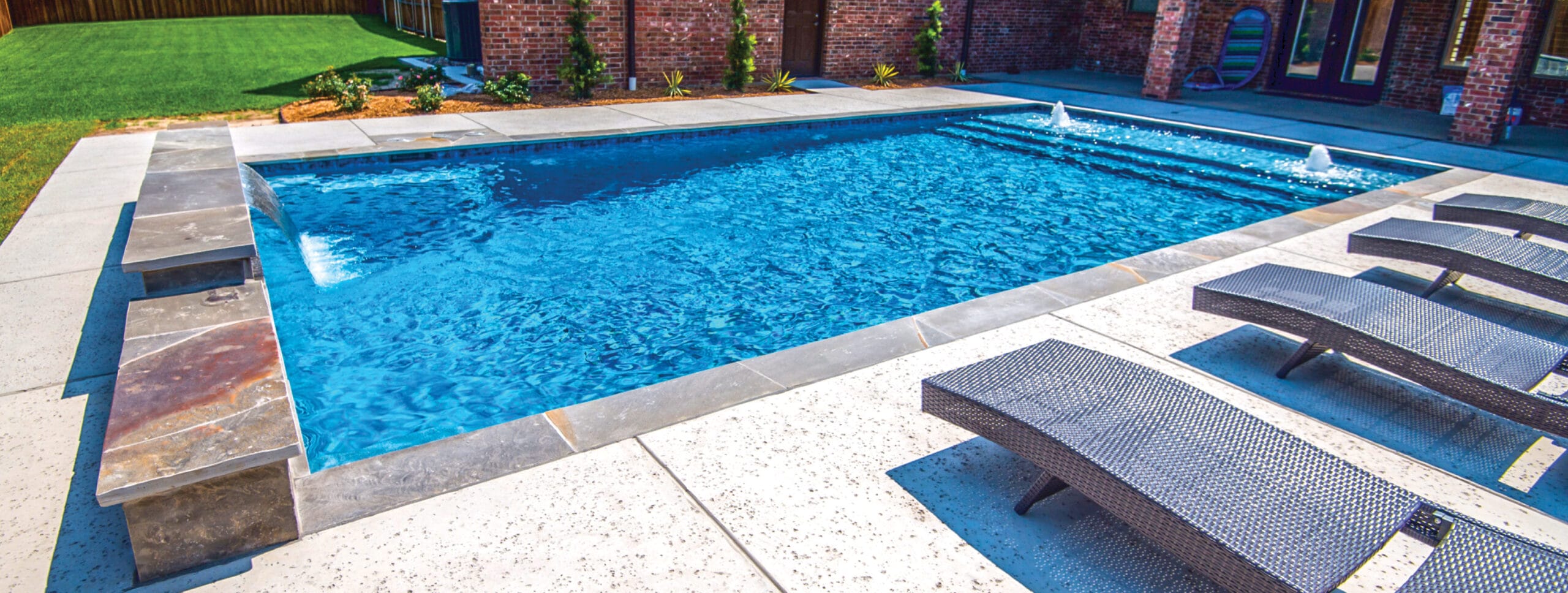
Installing a swimming pool is a significant property investment that requires careful financial planning. Beyond the initial construction, homeowners need to consider site preparation, equipment, finishing materials, safety features, and the ongoing costs of keeping the pool in good condition. Understanding these expenses before construction begins can help prevent budget overruns and make it easier to compare different project options.
Exploring suitable Swimming Pool Solutions can help property owners evaluate different pool designs, installation approaches, and equipment requirements before committing to a project. A realistic budget should reflect the available space, intended use, preferred features, and long-term maintenance needs rather than focusing exclusively on the initial price.
What Determines the Cost of Swimming Pool Installation?
Swimming pool installation costs vary widely because every property and project has different requirements. A compact plunge pool may involve fewer materials and less excavation than a large custom-designed pool, while difficult ground conditions can increase costs regardless of the pool’s size.
Several factors typically influence the final price:
- Pool dimensions and shape: Larger pools generally require more excavation, construction materials, water, and equipment capacity.
- Construction type: Concrete, fiberglass, and vinyl-lined pools have different material, installation, and maintenance requirements.
- Site conditions: Sloping land, restricted access, unsuitable soil, or high groundwater levels may require additional preparation.
- Equipment selection: Pumps, filters, sanitation systems, heaters, and lighting contribute to the overall investment.
- Finishing and landscaping: Decking, paving, drainage, planting, and outdoor seating can represent a substantial part of the project.
- Local requirements: Permits, inspections, engineering assessments, and safety provisions may add to the budget.
Evaluating these factors early gives homeowners a clearer understanding of why quotations differ and which expenses deserve closer attention.
Comparing Different Types of Swimming Pools
The type of pool selected affects both the initial installation budget and future ownership costs. Comparing construction methods helps determine which option best suits the property and the owner’s priorities.
Concrete Swimming Pools
Concrete pools offer considerable flexibility in shape, dimensions, depth, and integrated features. This makes them suitable for customized designs, unusual site layouts, and projects with specific architectural requirements.
However, construction typically involves several stages, including structural work, waterproofing, and interior finishing. The process can be more complex than installing certain prefabricated pool systems, and the final cost depends heavily on design and site conditions.
Maintenance requirements also vary with the selected finish and construction quality. Homeowners should account for eventual resurfacing or other renovation work when planning long-term expenses.
Fiberglass Swimming Pools
Fiberglass pools generally use a factory-manufactured shell that is transported to the property and installed in an excavated area. Their installation process can be comparatively straightforward when site access and ground conditions are suitable.
The available shapes and sizes depend on the manufacturer’s product range and the dimensions of the shell that can be delivered to the site. Transport, crane access, excavation, and supporting ground preparation can all influence the total cost.
Before selecting this option, confirm that the shell can reach the installation area and that the site can accommodate the manufacturer’s requirements.
Vinyl-Lined Swimming Pools
Vinyl-lined pools use a supporting structure with a fitted liner that forms the interior surface. Depending on the market and construction method, they may provide a range of design choices at different initial price points.
The liner will eventually require replacement, so homeowners should include this future expense in their ownership budget. Material quality, installation workmanship, and water chemistry can affect how well the liner performs over time.
The most appropriate construction type depends on the full project cost, not just the quoted price of the pool structure.
Breaking Down the Main Installation Expenses
A useful budget separates the project into individual categories. This makes it easier to compare contractor quotations, track spending, and identify costs that may have been overlooked.
Design, Surveys, and Permits
Professional design and preliminary assessments help establish the pool’s location, dimensions, structure, and technical requirements. Depending on the project, these services may include site surveys, engineering assessments, drainage planning, and permit applications.
Although these expenses occur before major construction, they can help identify potential difficulties before they become expensive problems.
Homeowners should confirm which services are included in the contractor’s proposal and which must be arranged separately.
Excavation and Site Preparation
Preparing the site can involve excavation, soil removal, leveling, access improvements, drainage work, and other ground-related tasks. Difficult soil, buried obstructions, or restricted access can increase both labor requirements and disposal costs.
Ask contractors how they have assessed the site and whether their quotations include allowances for unexpected ground conditions. A contingency fund is particularly important when the subsurface conditions are not fully known.
Pool Structure and Finishing
The pool shell or supporting structure is usually one of the central project expenses. Interior finishes, coping, waterproofing, and decorative details add to the final amount.
Finishes should be selected for durability, compatibility with the construction system, and ease of maintenance. A material with a lower purchase price may not offer the best value if it requires more frequent repairs or replacement.
It is also worth deciding on major design features before construction begins. Adding benches, special entry systems, or other integrated elements later may involve unnecessary modifications.
Plumbing and Mechanical Equipment
Pumps, filters, sanitation systems, valves, pipes, and related components are essential for maintaining circulation and water quality. The equipment must be sized and configured according to the pool’s design and expected use.
Heating systems, automated controls, and advanced cleaning equipment can increase the initial investment but may offer practical benefits depending on how the pool will be used.
Compare equipment specifications, warranty conditions, service availability, and expected operating expenses rather than choosing components based solely on price.
Decking, Fencing, and Landscaping
The area surrounding the pool contributes to its appearance, accessibility, and usability. Decking, pathways, drainage, barriers, gates, and landscaping should therefore be included in the initial budget.
Safety features are essential rather than optional decorative upgrades. Confirm applicable fencing, access-control, slip-resistance, and electrical safety requirements before finalizing the design.
Completing the surrounding work as part of a coordinated plan may also reduce the risk of damaging finished surfaces when later installation tasks are required.
Understanding the Long-Term Cost of Pool Ownership
The initial installation price represents only one part of the financial commitment. Once the pool is operational, homeowners must account for recurring expenses and periodic repairs.
Common ongoing costs include:
- Electricity for pumps, filters, lighting, and heating.
- Water for initial filling, evaporation replacement, and necessary maintenance.
- Sanitizers, water-testing supplies, and other treatment products.
- Routine cleaning and equipment servicing.
- Repairs to plumbing, pumps, heaters, and pool surfaces.
- Eventual replacement of equipment or interior finishes.
Actual costs depend on local utility rates, climate, pool size, operating hours, and maintenance practices. Indoor pools may also require ventilation and humidity-control systems, creating additional energy expenses.
Preparing a yearly operating budget can help homeowners understand the true financial commitment before construction begins.
How to Create a Realistic Swimming Pool Budget
A practical budget should be based on a defined project scope and itemized estimates. Starting with a clear plan reduces the risk of making expensive decisions while construction is already underway.
1. Establish Your Maximum Investment
Determine how much you can comfortably allocate to the project without compromising other financial obligations. Separate essential requirements from optional upgrades, such as decorative water features, premium finishes, or advanced automation.
This distinction helps preserve the core functionality and safety of the pool if costs need to be reduced.
2. Obtain Multiple Detailed Quotations
Request proposals from several qualified contractors and ensure that each is based on a comparable design. One quotation may include excavation and landscaping, while another may cover only the pool structure and basic equipment.
Ask for a breakdown of labor, materials, equipment, permits, exclusions, and payment milestones. Clarify how variations and unforeseen work will be priced.
3. Include a Contingency Allowance
Construction projects can encounter unexpected conditions, including hidden utilities, unsuitable soil, material price changes, and additional drainage requirements.
Set aside a contingency allowance appropriate to the project’s uncertainty and complexity. The amount should be based on the contractor’s assessment and the level of information available about the site, rather than treated as money already available for optional upgrades.
4. Prioritize Essential Features
Identify the features needed for safe operation, reliable water treatment, and the pool’s intended use. Consider optional additions only after the main design, equipment, access, and safety requirements are adequately funded.
Some features are easier and less expensive to incorporate during construction than to retrofit later. Planning for likely future needs can therefore be more economical than adding everything immediately.
5. Track Spending Throughout Construction
Maintain a record of invoices, payments, approved changes, and remaining commitments. Review progress against the budget at agreed milestones, and obtain written approval before accepting changes that affect cost or timing.
Regular monitoring helps identify overruns early enough to make informed decisions.
Ways to Manage Swimming Pool Installation Costs
Reducing project expenses does not necessarily mean selecting the cheapest materials or the smallest equipment package. Better results often come from simplifying the design, improving planning, and avoiding unnecessary rework.
A few practical approaches can help:
Choose a design that suits the site. A pool that fits the available space may require less excavation, fewer retaining measures, and simpler landscaping.
Limit unnecessary customization. Complex shapes, elaborate water features, and specialized finishes can increase construction time and maintenance requirements.
Plan equipment as a complete system. Properly matched pumps, filters, and plumbing can help avoid inefficient operation and costly modifications.
Consider energy efficiency. Efficient pumps, suitable covers, and appropriately sized heaters may reduce operating costs over the life of the pool.
Avoid compromising on structural quality. Inadequate waterproofing, poor installation, or unsuitable materials can lead to expensive repairs that outweigh initial savings.
Schedule work carefully. Coordinating contractors and confirming material availability can reduce avoidable delays and repeated site work.
Each saving should be assessed in relation to durability, safety, performance, and the full cost of ownership.
Common Budgeting Mistakes to Avoid
Even a well-intentioned project can exceed its budget when important expenses are overlooked. Recognizing common mistakes before construction begins can help homeowners maintain better financial control.
One frequent error is budgeting only for the pool itself. Equipment, access, decking, fencing, landscaping, and professional services can significantly increase the final investment.
Another mistake is accepting a quotation without understanding its exclusions. If excavation disposal, electrical work, or final commissioning is not included, these items may need to be paid for separately.
Homeowners should also avoid making repeated design changes after construction has started. Changes can affect materials, labor, schedules, and previously completed work.
Finally, failing to consider ongoing maintenance can make an otherwise affordable installation difficult to manage. A realistic plan should cover both the initial project and the years of operation that follow.
Working With a Qualified Swimming Pool Contractor
An experienced contractor can help refine the design, identify site-related risks, select suitable equipment, and establish a realistic project schedule. Professional guidance is particularly valuable when the site has drainage challenges, difficult access, or complex structural requirements.
Before signing a contract, review the contractor’s relevant experience, references, qualifications, and insurance arrangements where applicable. Confirm the proposed materials, equipment models, warranty terms, payment schedule, and responsibilities for permits and inspections.
The agreement should also explain how changes are approved, how defects are addressed, and what documentation will be provided at completion.
Clear communication and written records help both parties manage expectations and reduce misunderstandings throughout the project.
Conclusion
Swimming pool installation costs depend on much more than pool size. Construction type, site preparation, equipment, finishing materials, safety features, and local requirements all contribute to the final investment. Ongoing energy use, water treatment, servicing, and future repairs also deserve attention when evaluating affordability.
By obtaining detailed quotations, prioritizing essential features, allowing for unexpected expenses, and comparing long-term operating costs, homeowners can make more informed decisions about their pool projects. Careful budget planning creates a stronger foundation for a durable, functional swimming pool that fits both the property and the owner’s financial goals.