

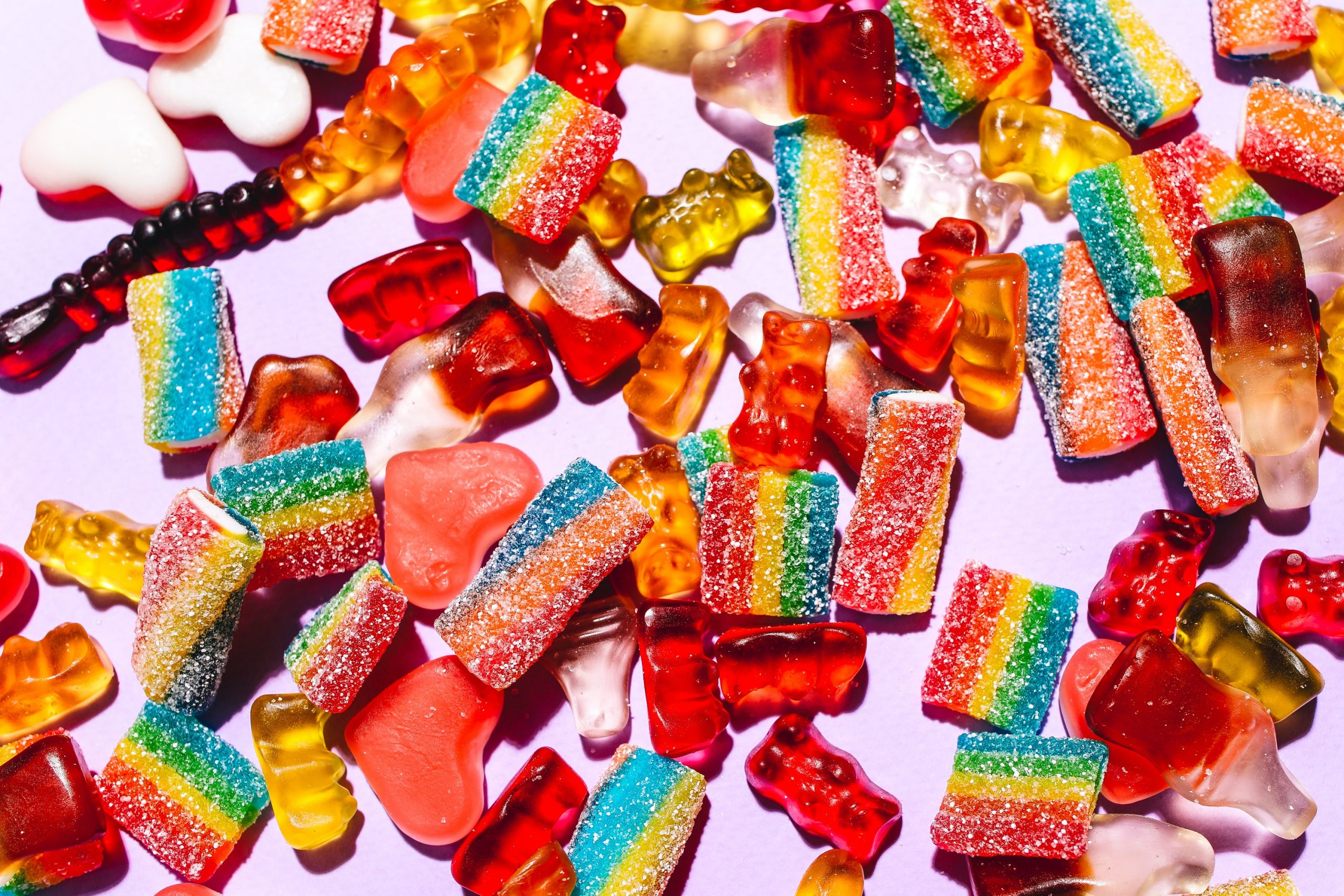
The production of gums and jellies is a carefully controlled process that combines precise ingredient preparation, advanced machinery, and efficient production techniques. These popular confectionery products require consistent texture, flavor, and appearance, which can only be achieved with specialized equipment designed for each stage of manufacturing. Understanding the step-by-step process helps manufacturers maintain quality standards while optimizing productivity and reducing operational challenges.
In modern confectionery factories, automated systems simplify the complex procedures involved in making gummies and jellies. From mixing ingredients to packaging the final product, every stage relies on well-coordinated machinery. High-quality Gums and Jellies Production Equipment enables manufacturers to create a smooth production flow that minimizes manual labor while ensuring accurate processing. By following a structured production sequence, factories can produce large quantities efficiently without compromising product consistency.
Step 1: Ingredient Preparation
The process begins with the preparation of ingredients. Sugar, glucose syrup, water, gelling agents such as gelatin or pectin, flavors, and colorings are carefully measured before entering the production line. Accurate ingredient preparation is essential because even small variations can affect the final texture and taste of the product.
Modern production equipment often includes automated weighing and feeding systems that measure ingredients precisely. These systems ensure consistent formulation across batches and reduce the risk of human error during preparation.
Step 2: Mixing the Ingredients
Once the ingredients are prepared, they are transferred to mixing machines. Mixing equipment combines all components into a uniform solution, ensuring that flavors, colors, and gelling agents are evenly distributed. This step is crucial because improper mixing can lead to uneven texture or inconsistent taste in the final product.
Advanced mixers operate with adjustable speeds and automated controls, allowing manufacturers to optimize mixing conditions for different recipes. Proper mixing also prepares the mixture for the cooking stage, where the transformation into gummy or jelly form begins.
Step 3: Cooking the Mixture
After mixing, the solution moves into cooking equipment where it is heated to the required temperature. Cooking activates the gelling agents and thickens the mixture, giving gums and jellies their characteristic texture.
Modern cooking systems use precise temperature controls and sensors to monitor the process in real time. This ensures that the mixture is cooked evenly and reaches the correct consistency. Accurate cooking is essential for preventing issues such as overly soft or excessively firm products.
Step 4: Depositing into Molds
Once the mixture is properly cooked, it is transferred to depositing machines that dispense it into molds. These molds determine the shape and size of the final product, which can range from traditional gummy bears to fruit shapes and custom designs.
Depositing machines are designed to deliver exact portions into each mold cavity, ensuring uniformity across the entire batch. This step allows manufacturers to produce visually appealing products with consistent weight and dimensions.
Step 5: Cooling and Setting
After the molds are filled, the products move into cooling tunnels or controlled refrigeration units. During this stage, the gummies and jellies gradually set and solidify. Proper cooling is important to maintain the structure and texture of the product.
Cooling systems regulate temperature, airflow, and humidity to ensure even setting. This controlled environment prevents deformation and helps the products retain their intended shape and consistency.
Step 6: Demolding and Finishing
Once the products have fully set, they are removed from the molds through automated demolding systems. At this stage, the gummies and jellies may undergo additional finishing processes such as coating.
Coating machines apply sugar, wax, or acid-based layers to enhance flavor, improve appearance, and prevent sticking. These finishing touches also contribute to the shelf life and overall quality of the product.
Step 7: Quality Inspection
Before packaging, the products are inspected to ensure they meet quality standards. Modern production lines often include automated inspection systems that check for defects, incorrect shapes, or weight inconsistencies.
Quality control helps manufacturers maintain consistent product standards and ensures that only properly formed gummies and jellies proceed to the packaging stage.
Step 8: Packaging and Distribution
The final step in the process is packaging. Automated packaging machines weigh, fill, seal, and label products quickly and accurately. Packaging protects the product from contamination, maintains freshness, and prepares it for distribution to retailers and consumers.
Efficient packaging systems also allow manufacturers to produce various packaging formats, including pouches, boxes, and bulk packaging for large markets.
Conclusion
The step-by-step process of producing gums and jellies relies heavily on advanced machinery designed to handle each stage efficiently. From ingredient preparation and mixing to cooking, molding, cooling, finishing, and packaging, modern production equipment ensures that every batch meets high-quality standards.
By using specialized systems that streamline operations, manufacturers can increase productivity, reduce waste, and maintain consistent results. As the demand for gummies and jellies continues to grow, understanding and implementing an efficient production process becomes essential for success in the confectionery industry.