
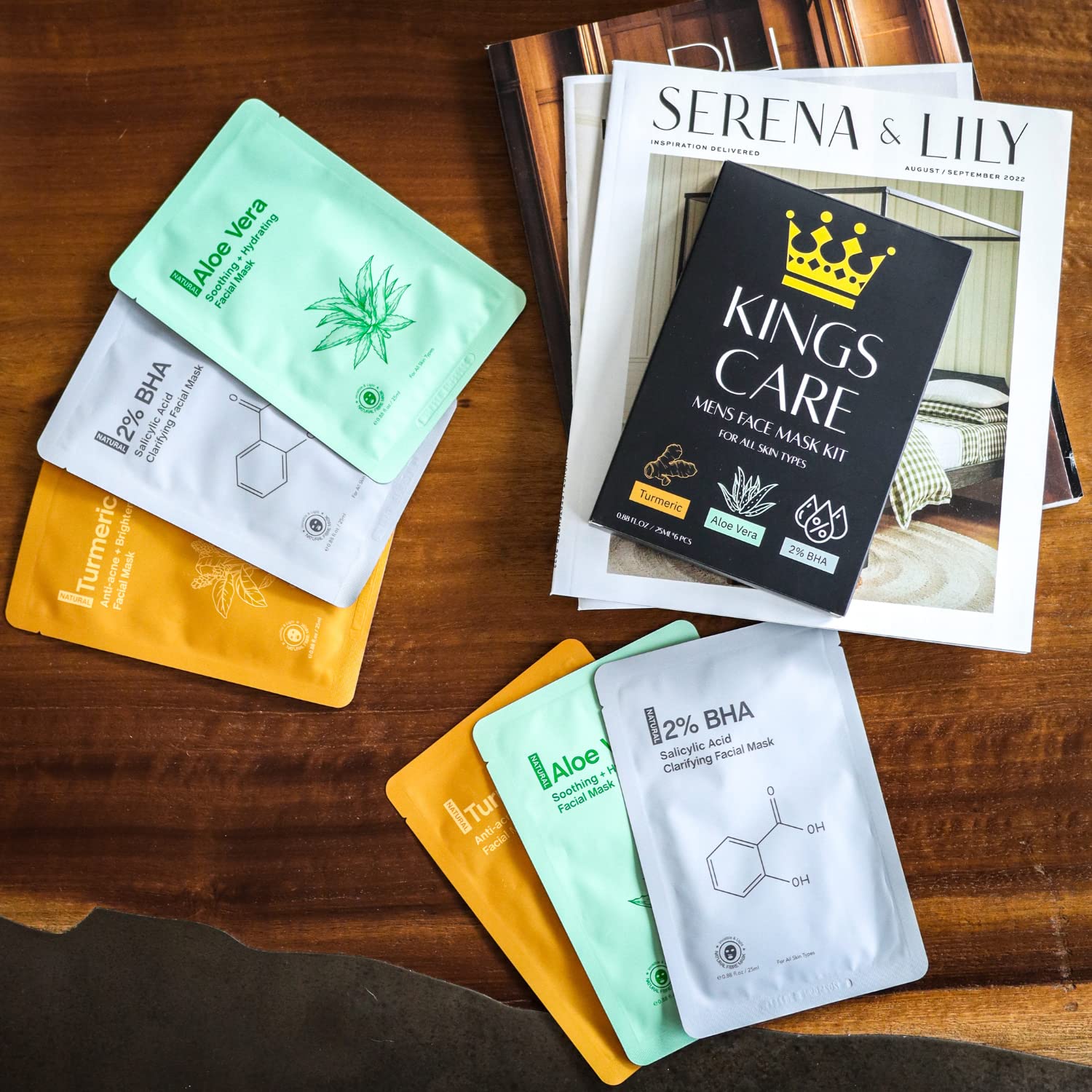
Private label face masks allow skincare businesses to introduce products under their own brand without managing every stage of formulation and manufacturing internally. This approach can reduce development complexity while giving brands opportunities to customize products according to their target market.
A reliable Face Mask Manufacturer can offer different levels of private label support, from ready-made formulas with customized packaging to fully developed products. Understanding these options helps businesses choose a manufacturing model that matches their budget, timeline, and product goals.
Ready-Made Formula Options
One of the simplest private label approaches is selecting an existing mask formula from a manufacturer’s product range. The formula has generally already undergone development and testing, allowing the brand to focus primarily on branding and packaging.
This option can be suitable for businesses that want to enter the skincare market quickly. Depending on the manufacturer, available formats may include sheet masks, clay masks, gel masks, cream masks, and other facial treatment products.
Benefits of Ready-Made Formulas
Using an established formula can reduce development time and simplify production planning. It may also require less investment than creating a completely new formulation.
However, brands should confirm the formula’s ingredients, testing documentation, minimum order quantities, and compatibility with their intended market before proceeding.
Customized Formulation
Some manufacturers provide formulation customization for brands that have specific product concepts. This may involve adjusting the texture, fragrance, active ingredients, color, or other characteristics of an existing formula.
A customized formulation provides greater control over the finished product. It can also help a brand develop a mask designed around a particular consumer need or product positioning.
Fully Custom Product Development
For businesses seeking greater differentiation, manufacturers may provide end-to-end product development. The process can begin with a product concept and continue through formulation, testing, packaging selection, and commercial production.
This approach generally requires more time and technical coordination than using an existing formula. However, it gives brands greater flexibility when creating products with distinctive formulations or specific performance characteristics.
Packaging and Label Customization
Private label services commonly extend beyond the formula itself. Brands may customize packaging elements to create a consistent visual identity across their skincare range.
Depending on the supplier, customization may include:
- Product labels and printed information
- Sachets, pouches, jars, or tubes
- Outer cartons and boxes
- Product names and artwork
- Packaging materials and finishes
Packaging should not only reflect a brand’s identity but also provide suitable protection for the formulation.
Ingredient and Functional Options
Consumers have diverse skincare preferences, which has encouraged manufacturers to offer a wide range of ingredient combinations. Private label brands may be able to select formulas featuring ingredients such as botanical extracts, humectants, vitamins, clays, or other cosmetic ingredients.
Ingredient selection should be based on formulation compatibility and appropriate cosmetic use rather than simply following market trends. Manufacturers with strong research and development capabilities can help brands evaluate practical formulation choices.
Different Mask Formats
Private label programs may support multiple mask formats, allowing brands to build broader product collections. Sheet masks, for example, are designed around a pre-cut facial substrate saturated with essence, while clay and cream masks require different formulation and filling processes.
Gel and peel-off masks offer additional texture and application options. Choosing the appropriate format depends on the intended user experience, formula characteristics, packaging, and production requirements.
Minimum Order Quantities
Minimum order quantities are an important consideration when evaluating private label manufacturers. Larger production runs may reduce the unit cost but require greater upfront inventory investment.
Smaller businesses may prefer manufacturers offering lower minimum quantities, particularly when testing a new product or entering an unfamiliar market. Brands should evaluate minimum quantities alongside shelf life, storage requirements, expected sales, and available working capital.
Quality and Regulatory Support
Private label manufacturing should include appropriate quality control throughout production. Brands should ask about raw material inspection, batch testing, stability evaluation, microbiological controls, and finished-product checks.
Regulatory requirements can also vary by country. Businesses planning to sell internationally should establish which product documentation, labeling information, and compliance requirements apply to their target markets.
Choosing the Right Private Label Model
The best private label option depends on the brand’s objectives. A ready-made formula may be appropriate for businesses prioritizing speed and simplicity, while customized or fully developed formulations can provide more control and differentiation.
Before selecting a manufacturing partner, brands should compare factors such as formulation capabilities, customization options, minimum order quantities, production capacity, quality systems, packaging choices, and communication processes.
Conclusion
Private label face mask manufacturing offers several pathways for businesses entering or expanding within the skincare market. From established formulas and customized ingredients to complete product development and branded packaging, each model provides a different balance of flexibility, investment, and development time.
Nox Bellcow Cosmetics is one example of a company operating within this broader manufacturing landscape. Ultimately, brands should assess their product objectives and operational requirements carefully before selecting a private label approach that can support consistent quality and sustainable growth.