

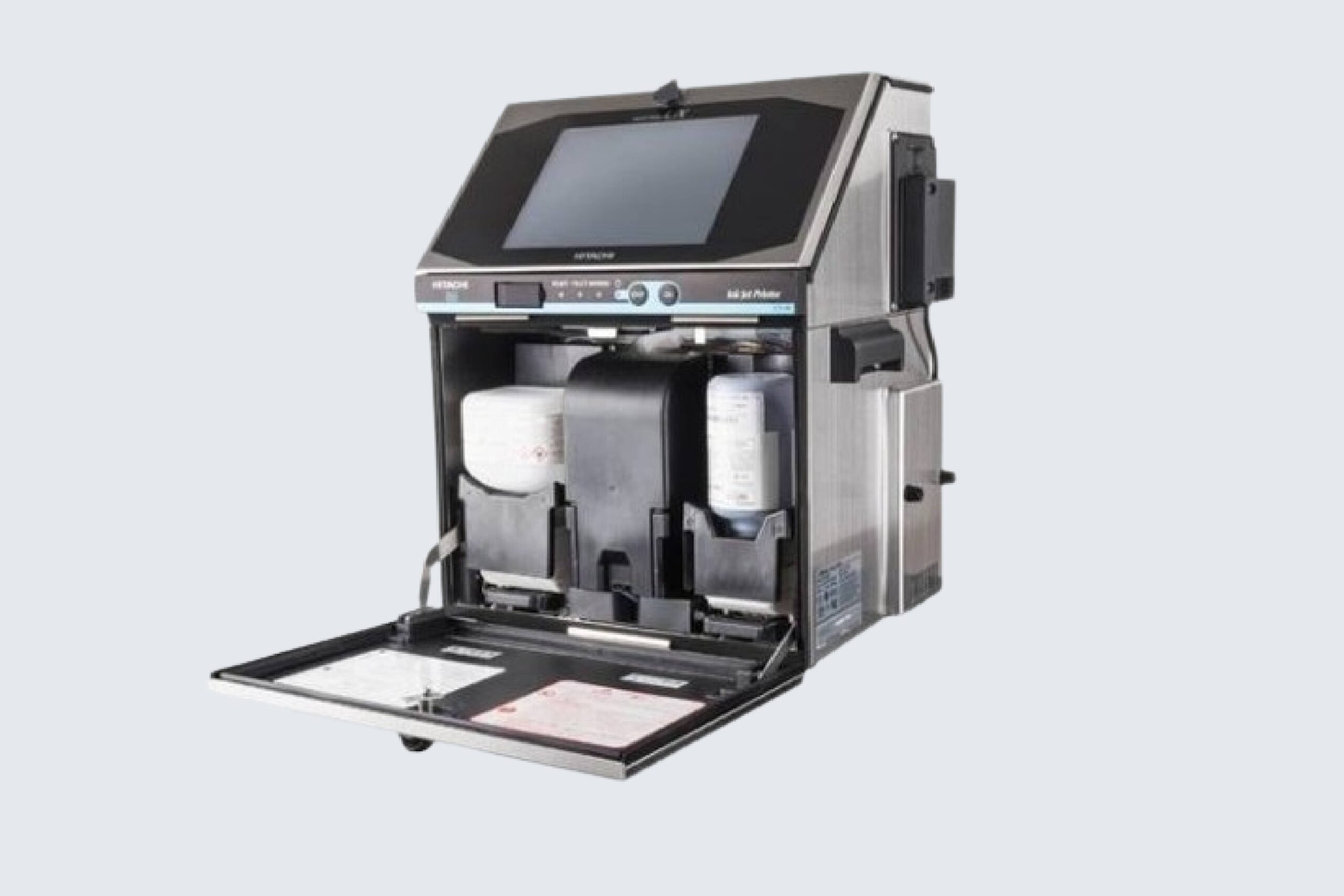
In modern manufacturing and packaging industries, the ability to print accurate information on a wide variety of surfaces is crucial. Small Character Inkjet Printers have become a reliable solution for marking products with dates, batch numbers, barcodes, and logos. Their flexibility and non-contact printing technology allow them to work on a range of materials without slowing down production lines. Understanding which materials are compatible with these printers is essential for maintaining print quality, efficiency, and product traceability.
A Small Character Inkjet Printer is designed to apply tiny droplets of ink directly onto surfaces, eliminating the need for labels in many cases. These printers are highly adaptable, capable of printing on smooth, rough, flat, and even curved surfaces. They are widely used in industries such as food and beverage, pharmaceuticals, cosmetics, electronics, and logistics. To ensure the best performance, manufacturers must select compatible materials and inks. Suppliers like Small Character Inkjet Printer offer guidance on suitable materials, helping businesses maintain consistent quality across various product lines.
Paper and Cardboard
Paper and cardboard are among the most common materials used with small character inkjet printers. These surfaces are generally smooth and absorbent, allowing ink to adhere well without smudging. Paper labels, packaging cartons, and corrugated boxes can all be marked efficiently. Water-based and solvent-based inks are commonly used on paper products, providing high contrast and durability. When printing on cardboard, the thickness and texture of the material should be considered, as very rough or porous surfaces may require specialized ink formulations to ensure legibility.
Plastics
Plastic surfaces are frequently used in packaging for food, beverages, personal care, and household products. Materials such as polyethylene (PE), polypropylene (PP), polyethylene terephthalate (PET), and polystyrene (PS) are commonly compatible with small character inkjet printers. Plastics present a unique challenge because they are non-porous and smooth, making ink adhesion more difficult. Solvent-based inks or specialized UV-curable inks are typically recommended to ensure that prints are durable and resistant to smearing, moisture, and abrasion. Some printers also offer primers or coatings to enhance ink adhesion on difficult plastic surfaces.
Glass
Glass is widely used in beverage bottles, jars, and cosmetic containers. Its smooth, non-porous surface can make direct printing challenging, but small character inkjet printers with UV or solvent-based inks can achieve excellent results. Printing on glass requires precise control of droplet placement to avoid smudging or spreading. Certain treatments, such as surface cleaning or pre-coating, can further improve ink adhesion and ensure that markings remain visible throughout the product’s lifecycle.
Metals
Metal surfaces, including aluminum, tin, and stainless steel, are commonly found in cans, bottles, and packaging components. These surfaces require inks that can withstand heat, moisture, and abrasion. Solvent-based or UV-curable inks are typically used for metal printing. Small character inkjet printers provide precise control to apply fine codes, lot numbers, and barcodes without compromising the appearance of the metal surface. Pre-treatment or surface preparation may be necessary for smooth, reflective metals to improve ink adhesion and longevity.
Flexible Packaging Materials
Flexible packaging, such as films and foils used in food, pharmaceutical, and cosmetic products, presents a unique set of challenges. These materials are often glossy, coated, or laminated, which can make ink adhesion difficult. Small character inkjet printers can print on these surfaces using specially formulated inks that bond quickly and resist smearing. Adjusting drying time and print speed is important to maintain high-quality prints on flexible materials.
Additional Considerations for Material Compatibility
When selecting materials for small character inkjet printing, several factors should be considered:
- Surface texture: Smooth surfaces generally yield clearer prints, while rough surfaces may require specialized inks or adjustments to printer settings.
- Ink type: Matching the ink to the substrate is critical for durability, legibility, and resistance to environmental factors.
- Production speed: High-speed lines may require fast-drying inks or additional drying equipment to prevent smudging.
- Environmental exposure: Materials that will be exposed to moisture, heat, or chemicals may require inks designed for extreme conditions.
Conclusion
Choosing compatible materials is essential for maximizing the effectiveness of a Small Character Inkjet Printer. These printers can work on paper, cardboard, plastics, glass, metals, and flexible packaging materials, provided the correct ink and settings are used. Understanding the interaction between the printing surface and the ink ensures high-quality, durable markings that support product traceability, compliance, and brand integrity. By selecting the right materials and working with knowledgeable suppliers, manufacturers can fully leverage the versatility of small character inkjet printers and maintain efficient, reliable production processes.