

In manufacturing and production industries, identifying defects early is essential for maintaining product quality and minimizing waste. Errors in components or finished goods can result in costly recalls, rework, and lost customer trust. To address these challenges, companies utilize Visual Defect Inspection systems that combine advanced technology and efficient methods to detect flaws accurately and consistently.
Understanding Visual Defect Inspection
Visual defect inspection refers to the process of systematically identifying defects in products using automated or semi-automated systems. These inspections help manufacturers ensure that products meet quality standards before reaching the market. Unlike manual inspection, which is prone to human error and fatigue, automated systems offer consistent precision and can operate at high speeds. Many manufacturers adopt a Visual Defect Inspection solution to streamline quality control and enhance production reliability.
Key Methods in Visual Defect Inspection
Several methods are employed to detect visual defects in products. The choice of method depends on the type of product, material, and production process. Common methods include:
- 2D Imaging Inspection: Uses high-resolution cameras to capture images of products and detect surface defects, scratches, or misprints.
- 3D Imaging Inspection: Employs structured light or laser scanning to detect surface irregularities and dimensional inaccuracies in three dimensions.
- Color Inspection: Compares product colors against predefined standards to identify inconsistencies or miscoloration.
- Pattern Recognition: Detects deviations from expected shapes, textures, or alignments using advanced algorithms.
These methods allow manufacturers to identify defects that may not be visible to the human eye and ensure that only high-quality products move forward in the production process.
Advanced Technologies in Visual Defect Inspection
Modern visual defect inspection systems integrate cutting-edge technologies to improve accuracy and efficiency. Some of the most widely used technologies include:
- Machine Vision Systems: Utilize cameras, sensors, and software to automatically detect and classify defects on production lines.
- Artificial Intelligence and Machine Learning: Enable systems to learn from past defect patterns, improving detection accuracy and reducing false positives.
- Infrared and Ultraviolet Imaging: Helps detect hidden flaws that are invisible under normal lighting conditions, such as cracks or material inconsistencies.
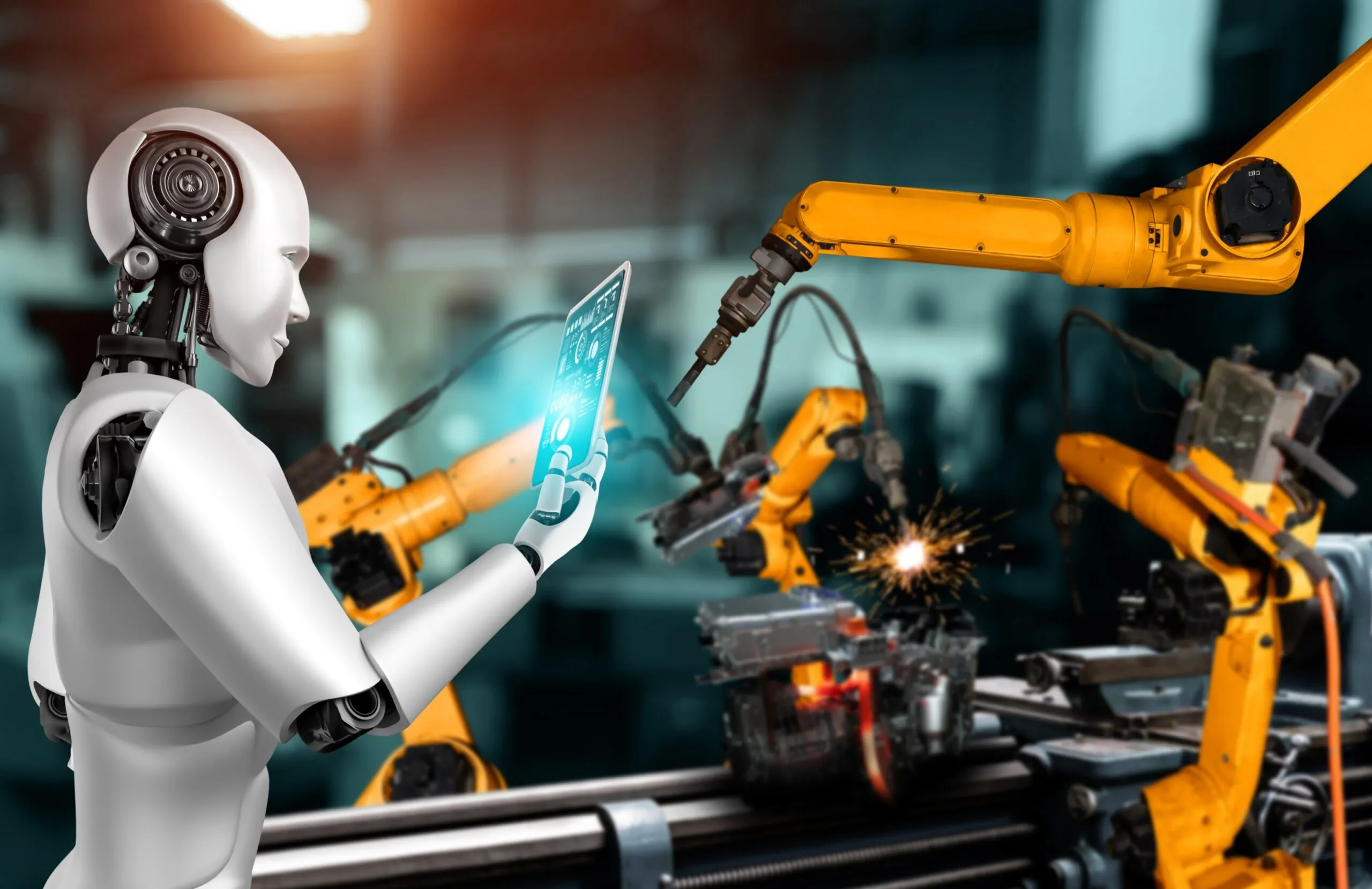
- Automated Robotics: Integrate inspection systems with robotic arms to manipulate products and inspect them from multiple angles efficiently.
Benefits of Visual Defect Inspection
Implementing visual defect inspection systems offers multiple advantages for manufacturers:
- Improved Product Quality: Consistently detects defects, ensuring only flawless products reach customers.
- Operational Efficiency: Real-time monitoring reduces production delays and minimizes rework.
- Cost Savings: Early defect detection reduces waste and associated production costs.
- Regulatory Compliance: Ensures products meet industry standards, avoiding legal and financial penalties.
Integration and Flexibility
Visual defect inspection systems can be tailored to suit various manufacturing environments and product types. They can inspect different sizes, materials, and production speeds while integrating seamlessly with existing production lines. This flexibility ensures that inspection does not compromise efficiency while maintaining high accuracy and reliability.
Conclusion
Visual defect inspection combines advanced methods and technologies to ensure product quality, operational efficiency, and regulatory compliance. By utilizing imaging systems, artificial intelligence, and automated robotics, manufacturers can identify defects early, reduce waste, and maintain high production standards. Implementing a visual defect inspection system is a strategic step toward consistent quality, cost savings, and long-term competitiveness in modern manufacturing.