

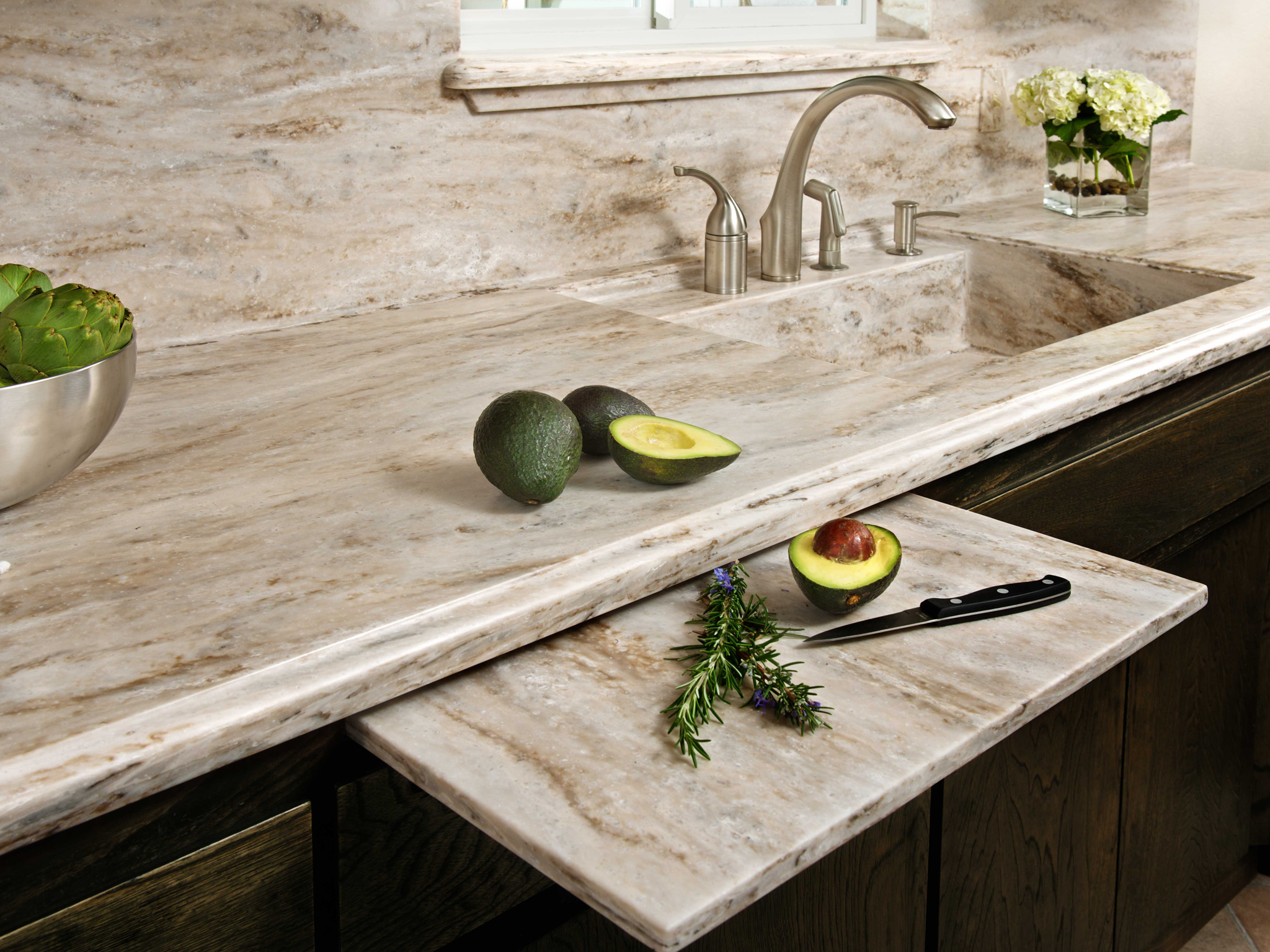
The solid surface industry has evolved rapidly in recent years as architectural trends, technological advancements, and sustainability concerns reshape the global building materials market. Manufacturers must constantly adapt to changing customer preferences, new construction practices, and emerging technologies to remain competitive. Product development strategies are increasingly influenced by market trends that demand innovative designs, improved material performance, and environmentally responsible production processes.
Solid surface materials are widely used in kitchens, bathrooms, healthcare facilities, and commercial interiors because of their seamless appearance and hygienic properties. Companies that operate in this sector focus heavily on research, customization, and manufacturing improvements to keep pace with market demands. One manufacturer responding to these industry trends is Kingkonree, which develops solid surface sheets, countertops, bathtubs, and basins for global residential and commercial projects while adapting its products to evolving market needs.
Rising Demand for Sustainable and Eco-Friendly Materials
One of the most influential trends shaping product development in the solid surface industry is the growing demand for sustainable materials. Architects, developers, and consumers are increasingly prioritizing environmentally responsible construction materials that reduce environmental impact and support green building certifications.
Manufacturers are responding by developing solid surface materials that use recycled content, low-emission resins, and energy-efficient production methods. Sustainable construction standards such as LEED and other environmental certification programs encourage builders to select materials that contribute to healthier indoor environments and reduced carbon footprints.
For companies involved in solid surface manufacturing, this trend influences both material selection and production technology. Research efforts often focus on reducing waste, improving recyclability, and ensuring that finished products meet environmental safety standards while maintaining durability and aesthetic quality.
Growing Demand for Customization and Unique Designs
Customization has become a major driver of innovation in interior design and architecture. Property owners, designers, and developers increasingly seek materials that allow them to create distinctive interiors with personalized color schemes, textures, and shapes.
Solid surface materials are particularly well suited for customization because they can be molded, cut, and fabricated into complex designs. Advances in digital design tools and manufacturing technologies have expanded the range of available patterns and finishes, allowing surfaces to replicate natural stone or create completely unique visual effects.
As a result, product development strategies often focus on expanding color collections, introducing new textures, and offering tailored fabrication solutions. In hospitality, retail, and luxury residential projects, customized surfaces are used to strengthen brand identity and create memorable interior spaces.
Expansion of Applications Beyond Traditional Countertops
Another important market trend influencing product development is the expansion of solid surface materials into new applications. While countertops remain the most common use, the versatility of these materials has allowed them to be used in furniture, wall cladding, decorative panels, and public infrastructure projects.
Designers are increasingly exploring innovative ways to incorporate solid surfaces into interior environments, including reception desks, integrated sinks, decorative lighting panels, and even transportation interiors. This diversification has expanded the overall market for solid surface products and encouraged manufacturers to develop new product categories.
For manufacturers, this trend means designing materials that meet different functional requirements such as durability, flexibility, and resistance to heavy usage. Product development may also involve creating modular or ready-to-install components that simplify construction and reduce installation time.
Technological Advancements in Manufacturing
Technological innovation is another major factor shaping product development strategies in the solid surface industry. Modern manufacturing technologies such as CNC machining, digital printing, and computer-aided design allow manufacturers to create highly detailed patterns and complex shapes with greater precision.
Digital fabrication tools enable architects and designers to experiment with innovative forms that were previously difficult or impossible to achieve. These technologies also improve production efficiency by reducing waste and enabling faster product development cycles.
Advancements in surface treatments and coatings are also improving material performance. New technologies can enhance stain resistance, increase durability, and provide antimicrobial properties that make surfaces safer for use in healthcare and hospitality environments.
Growth of Hospitality and Commercial Construction
The expansion of the global hospitality, retail, and commercial construction sectors has also influenced product development in the solid surface industry. Hotels, resorts, restaurants, and office spaces often require materials that combine durability with modern aesthetics.
In these environments, surfaces must withstand heavy daily use while maintaining a high-end appearance. As a result, manufacturers focus on developing products that offer seamless finishes, easy maintenance, and long-term durability.
Luxury hospitality projects, in particular, demand customized sanitary products, integrated countertops, and visually striking interior features. This trend encourages manufacturers to design products that can meet the specific design requirements of large-scale commercial projects.
Increasing Focus on Health and Safety
Health and safety considerations are becoming increasingly important in construction and interior design. Non-porous surfaces that resist bacteria and are easy to clean are highly valued in healthcare facilities, restaurants, and public buildings.
Manufacturers are responding by developing materials that meet strict hygiene standards and comply with international safety certifications. In some cases, product development also focuses on eliminating potentially harmful materials used in traditional construction products.
For example, some manufacturers have introduced silica-free solid surface materials to address health concerns associated with silica dust exposure during fabrication and installation.
Competition from Alternative Materials
Another factor influencing product development is the competition from other surface materials such as engineered quartz and porcelain slabs. These materials offer high durability and have gained popularity in residential kitchen and bathroom applications.
To remain competitive, solid surface manufacturers emphasize the unique advantages of their products, including seamless joints, repairability, and design flexibility. Product development strategies often focus on enhancing these strengths while improving overall material performance.
Conclusion
Market trends play a crucial role in shaping the direction of product development in the solid surface industry. Sustainability, customization, technological innovation, and expanding applications are all influencing how manufacturers design and produce new materials.
Companies that closely monitor these trends are better positioned to develop products that meet modern architectural and consumer demands. By adapting to evolving market conditions and investing in innovative solutions, manufacturers such as Kingkonree continue to contribute to the advancement of solid surface materials for residential, commercial, and hospitality environments around the world.