

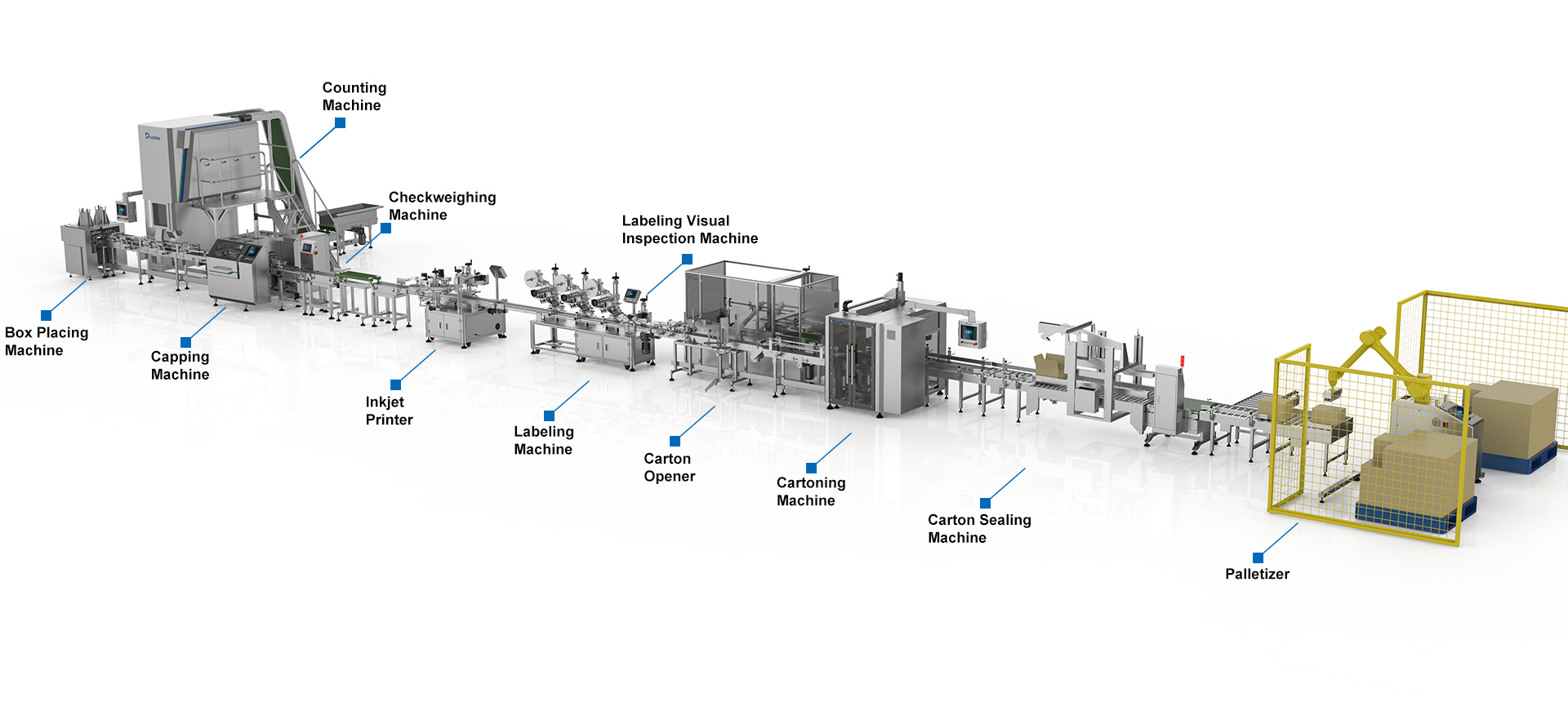
Water soluble packaging machines are essential for industries that rely on water soluble films to package products such as detergents, cleaning chemicals, and pharmaceuticals. These machines provide efficiency, safety, and precision, but their performance depends heavily on proper maintenance. Regular upkeep ensures smooth operation, reduces downtime, and prolongs the lifespan of the equipment. In this article, we will explore practical maintenance tips for water soluble packaging machines to help manufacturers maintain high productivity and consistent product quality.
Regular Cleaning and Inspection
One of the most important maintenance practices for water soluble packaging machines is routine cleaning and inspection. Since these machines handle moisture-sensitive films, any residue, dust, or chemical buildup can affect sealing and filling quality. Operators should clean rollers, forming molds, and sealing jaws regularly to remove debris and prevent contamination. Visual inspection of moving parts, belts, and sensors helps identify wear or misalignment before they cause operational problems. Maintaining a clean machine environment also reduces the risk of film sticking or tearing, which can lead to production delays.
Lubrication and Mechanical Care
Proper lubrication is essential for the smooth functioning of mechanical components such as gears, bearings, and chains. Manufacturers should follow the machine’s maintenance manual to apply the recommended lubricants at regular intervals. Over-lubrication or using incorrect lubricants can damage components, while insufficient lubrication can cause friction, overheating, or premature wear. Checking for loose screws, bolts, and fasteners during mechanical maintenance is equally important to maintain stability and prevent operational interruptions.
Monitoring Electrical and Control Systems
Modern water soluble packaging machines rely on complex electrical and control systems to manage filling, sealing, and cutting operations. Regularly checking wiring, connectors, and control panels ensures that the machine operates safely and efficiently. Calibration of sensors and monitoring of software systems should also be part of the routine maintenance schedule. In the middle of this process, a reliable Water Soluble Packaging Machine may require specialized maintenance support to verify that automated functions such as dosing, sealing temperature, and cutting precision are functioning correctly. Ensuring the electrical system is in optimal condition prevents unexpected downtime and maintains product quality.
Preventing Moisture Damage
Water soluble films are highly sensitive to humidity, making moisture control an essential part of maintenance. Machines should be housed in environments with controlled humidity levels, and internal areas should be protected from water leaks or condensation. Operators should inspect dehumidifiers, air filtration units, and enclosures regularly to ensure they are functioning properly. Preventing moisture exposure not only protects the film from premature dissolution but also reduces corrosion risks for machine components.
Replacing Worn Components
Even with regular maintenance, certain parts of a water soluble packaging machine will experience wear over time. Sealing jaws, forming molds, cutters, rollers, and belts should be monitored closely for signs of damage. Replacing worn or damaged parts promptly prevents defects in packaged products and avoids larger, costlier repairs. Keeping a stock of commonly replaced components ensures quick turnaround when replacements are needed, minimizing production disruptions.
Calibration and Alignment
Precision is critical in water soluble packaging to maintain accurate dosing and sealing. Periodic calibration of dosing pumps, filling nozzles, and sealing units is essential to maintain consistent product weight and package integrity. Aligning rollers, molds, and cutting units ensures that the film is handled correctly and packages are uniform in size and shape. Neglecting calibration can lead to product waste, increased film consumption, and decreased operational efficiency.
Safety Checks and Operator Training
Maintenance also involves ensuring that all safety mechanisms are functioning properly. Emergency stop buttons, interlocks, and protective covers should be inspected regularly. Operators must be trained to perform routine maintenance safely and to recognize early signs of machine malfunction. Proper training reduces accidents and allows operators to address minor issues before they escalate into major problems.
Documentation and Maintenance Scheduling
Keeping detailed maintenance records is a valuable practice for water soluble packaging machines. Documenting cleaning schedules, lubrication routines, part replacements, and system calibrations allows manufacturers to track machine performance and identify recurring issues. Implementing a structured maintenance schedule ensures that preventive care is performed consistently, reducing the risk of unexpected breakdowns and prolonging machine life.
Conclusion
Regular maintenance of water soluble packaging machines is crucial to achieving reliable performance, product quality, and operational efficiency. Key practices include cleaning, lubrication, electrical and mechanical inspections, moisture control, component replacement, calibration, safety checks, and proper documentation. Following these maintenance tips helps manufacturers minimize downtime, reduce costs, and ensure the long-term functionality of their machines. Consistent care allows these specialized machines to continue delivering precise, safe, and environmentally friendly packaging solutions in industries such as detergents, chemicals, and healthcare.