

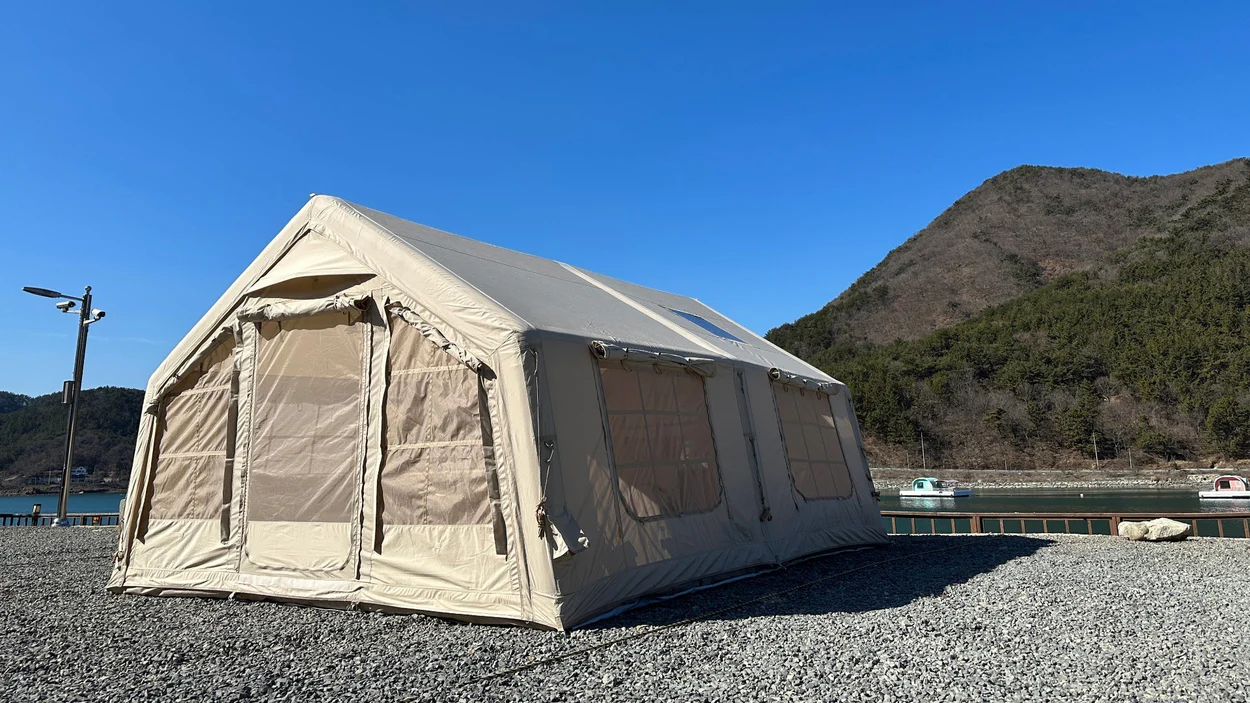
Inflatable tents have become a popular choice for events, outdoor activities, emergency shelters, and promotional campaigns due to their portability, quick setup, and versatility. While these tents are designed to be durable and resilient, proper maintenance and care are essential to extend their lifespan and ensure safety. Neglecting routine maintenance can lead to fabric deterioration, air leaks, valve malfunctions, and reduced stability, compromising the tent’s performance and safety.
Professional Inflatable Tent Manufacturers emphasize the importance of following proper maintenance procedures. Their guidance ensures that inflatable tents remain functional, safe, and visually appealing, even after repeated use in challenging outdoor environments.
Regular Cleaning Practices
One of the first steps in maintaining an inflatable tent is regular cleaning. Dust, dirt, mud, and other debris can accumulate on the tent fabric, leading to wear over time. Cleaning should be done using a soft brush, mild soap, and water. Avoid abrasive cleaning tools or harsh chemicals, as these can damage the fabric, coatings, or printed graphics.
For larger tents, it is often recommended to clean sections at a time while the tent is partially inflated or laid flat. Pay attention to high-contact areas such as entrances, windows, and anchor points. Regular cleaning not only keeps the tent looking presentable but also prevents material degradation and mold growth.
Inspection for Damage and Wear
Routine inspections are crucial to identify early signs of wear or damage. Check seams, valves, zippers, and anchoring points for cracks, tears, or leaks. Examine the fabric for thinning areas, punctures, or discoloration caused by UV exposure.
Internal baffles and air channels should also be inspected for misalignment or stress points. Detecting issues early allows for timely repairs, preventing small problems from escalating into major structural failures.
Valve and Air Pressure Maintenance
Valves are essential components that maintain the tent’s air pressure and structural stability. Regularly check valves for airtightness, damage, or blockages. Clean valves with a soft cloth and ensure that they open and close smoothly. Lubricate rubber gaskets if recommended by the manufacturer to maintain proper sealing.
Maintaining correct inflation pressure is also important. Over-inflation can stress seams and fabric, while under-inflation can reduce stability and load-bearing capacity. Follow manufacturer guidelines for optimal air pressure to ensure safety and longevity.
Repairs and Reinforcements
Even with careful use, inflatable tents may occasionally require repairs. Most tents come with repair kits that include patches, adhesive, or replacement parts. Promptly address any punctures, seam separation, or valve issues to prevent air leaks and structural instability.
For larger or high-traffic tents, reinforcing stress points with additional patches or seam tape can extend the lifespan. Professional Inflatable Tent Manufacturers often provide guidance on proper repair techniques to maintain airtightness and structural integrity.
Proper Storage Techniques
Proper storage is vital for maintaining inflatable tents. Before storage, ensure the tent is thoroughly cleaned and completely dry to prevent mold, mildew, or material deterioration. Fold the tent carefully according to manufacturer instructions, avoiding sharp creases that could damage the fabric.
Store the tent in a cool, dry place away from direct sunlight, excessive heat, or moisture. Avoid placing heavy objects on top of folded tents, as this can cause deformation or stress on the fabric and internal components. Using the original storage bag or container can provide added protection and organization.
Handling During Transport
Transportation is another aspect of maintenance that affects tent longevity. Always handle the tent carefully during loading and unloading to prevent punctures or tears. Use protective covers or padding when transporting tents in vehicles, especially over rough terrain.
Minimizing friction and impact during transport reduces wear and maintains the tent’s structural integrity. For larger tents, consider using multiple personnel or mechanical aids to handle heavy components safely.
Seasonal and Environmental Considerations
Environmental factors such as UV exposure, extreme temperatures, rain, and wind can impact inflatable tents. If a tent is used frequently outdoors, inspect it more often for sun damage, water infiltration, or stress from wind. Applying protective coatings, UV-resistant sprays, or water repellents as recommended by the manufacturer can enhance durability.
During periods of extended non-use, store the tent in controlled conditions and avoid exposure to harsh weather. Regular checks after outdoor use help detect any weather-related issues early.
Conclusion
Maintenance and care are essential for ensuring that inflatable tents remain safe, durable, and functional over time. Regular cleaning, inspections, valve maintenance, repairs, proper storage, careful transport, and attention to environmental conditions all contribute to extending the lifespan of these versatile structures. By following manufacturer guidelines and incorporating routine maintenance practices, users can protect their investment, maintain performance, and ensure that inflatable tents continue to provide reliable shelter and functional spaces for events, outdoor activities, and emergency applications.