

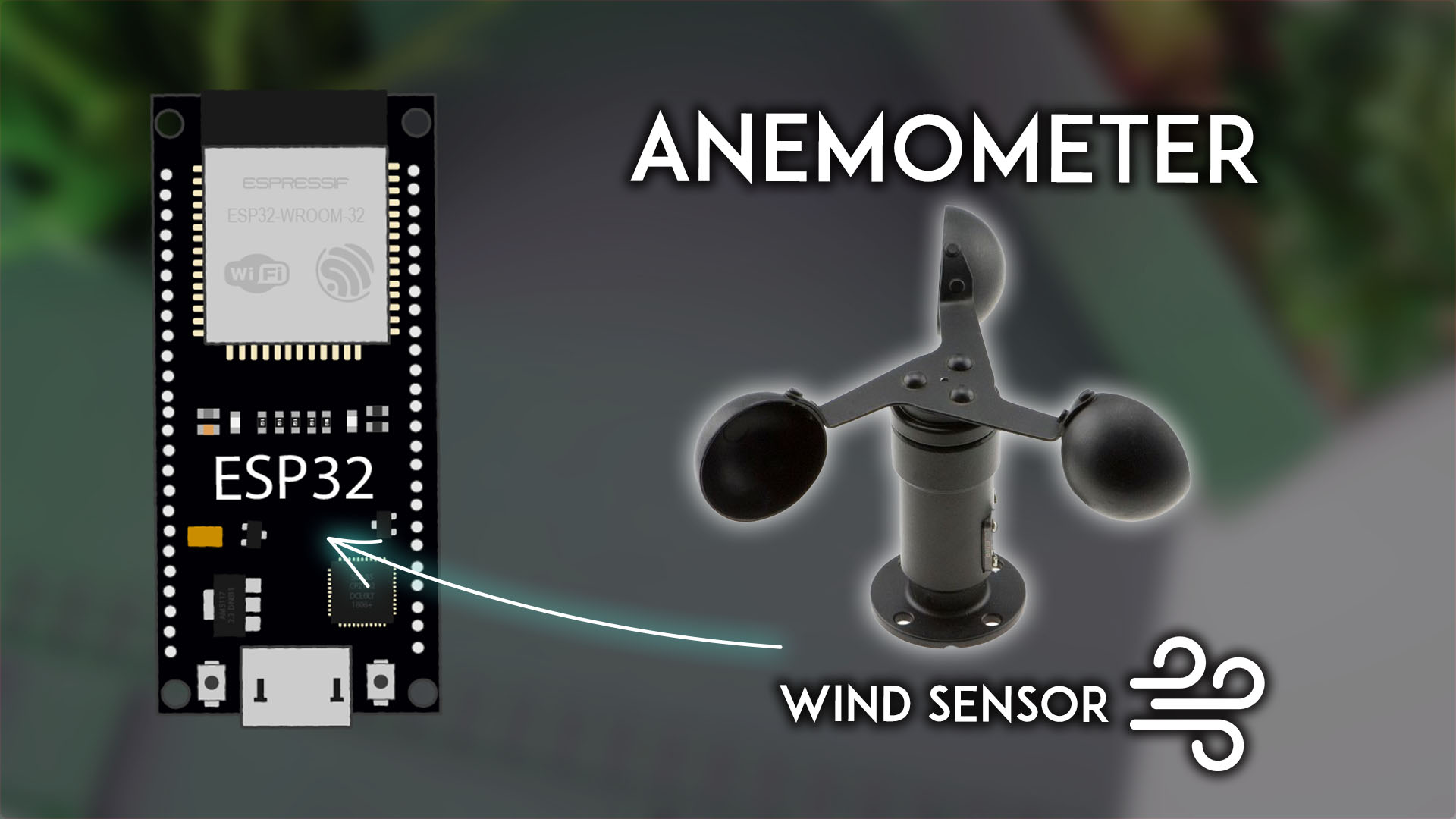
Wind sensors are essential tools for monitoring airflow in meteorology, renewable energy, and environmental research. Accurate wind measurements enable weather forecasting, turbine optimization, and safety planning. Among these instruments, the Rika Wind Sensor is renowned for its precision, durability, and versatility. However, even the most reliable sensors require regular maintenance and calibration to ensure consistent performance and long-term accuracy. This article explores best practices for maintaining and calibrating Rika wind sensors in various applications.
A Rika Wind Sensor provides real-time measurements of wind speed and direction. Over time, exposure to environmental elements such as dust, rain, snow, and UV radiation can affect its accuracy. Mechanical components in cup or vane sensors can wear, while ultrasonic sensors may accumulate debris that disrupts airflow readings. Regular maintenance and proper calibration prevent measurement errors, extend the sensor’s lifespan, and support reliable data collection for critical applications in meteorology, aviation, and wind energy.
Routine Maintenance Practices
Cleaning the Sensor
Outdoor wind sensors are exposed to dirt, dust, bird droppings, and ice, all of which can interfere with performance. For cup and vane anemometers, ensure that rotating components move freely without obstruction. A soft cloth or brush and mild cleaning solution can remove debris without damaging sensitive parts. Ultrasonic wind sensors should be checked for moisture or dust accumulation on transducers, as any obstruction can affect ultrasonic pulse accuracy.
Inspecting Mechanical Components
Mechanical wind sensors include bearings, shafts, and moving parts that require routine inspection. Check for signs of wear, corrosion, or misalignment. Lubricate bearings if recommended by the manufacturer to maintain smooth operation. Any imbalance in rotating elements can cause inaccurate readings or excessive mechanical stress. Timely replacement or adjustment of worn components is crucial for continued precision.
Electrical and Signal Checks
For digital or analog sensors, signal integrity is essential. Inspect cables, connectors, and terminals for corrosion or loose connections. Ensure that the sensor transmits data correctly to monitoring systems, data loggers, or SCADA networks. Any interruption or degradation in the signal can compromise the reliability of wind measurements, particularly in critical applications such as wind farm management or storm tracking.
Calibration Guidelines
Importance of Calibration
Calibration ensures that the wind sensor provides measurements that accurately reflect actual wind conditions. Mechanical wear, environmental factors, or electronic drift can affect sensor readings over time. Regular calibration corrects these deviations and maintains the reliability of collected data, which is essential for energy optimization, meteorological research, and safety monitoring.
Laboratory Calibration
Laboratory calibration is conducted under controlled conditions using a wind tunnel or airflow simulator. This method allows precise measurement of sensor response at different wind speeds. Laboratory calibration is ideal for high-precision instruments used in research, turbine testing, or weather stations where data accuracy is critical. It provides a benchmark to ensure that the Rika wind sensor remains within manufacturer specifications.
Field Calibration
Field calibration is performed at the installation site and compares sensor readings with a reference instrument under actual environmental conditions. While less precise than laboratory calibration, field calibration accounts for local airflow effects, turbulence, and site-specific factors. It is especially useful for remote installations or outdoor applications exposed to variable weather conditions.
Calibration Frequency
The recommended calibration interval depends on the sensor type, usage intensity, and environmental exposure. Mechanical sensors in harsh outdoor environments may require semi-annual calibration, while ultrasonic sensors in controlled conditions may be calibrated annually. Maintaining a calibration log ensures traceability and helps identify trends in sensor performance, supporting long-term reliability.
Environmental Protection Measures
Weatherproofing
Even though Rika wind sensors are designed for outdoor use, additional weather protection can extend their lifespan. Shields can protect against direct sunlight, ice accumulation, and rain, without obstructing airflow. This ensures consistent performance while reducing maintenance needs.
Lightning and Surge Protection
For sensors installed on tall masts or exposed areas, grounding systems and surge protectors safeguard against lightning strikes and electrical surges. Proper protection prevents sensor damage and ensures continuous operation during extreme weather events.
Integration with Monitoring Systems
Rika wind sensors are often connected to automated monitoring platforms, cloud-based analytics, and data logging systems. Ensuring that the data transmission remains accurate and uninterrupted is part of ongoing maintenance. Periodic system checks, software updates, and signal verification enhance data reliability for real-time monitoring and long-term analysis.
Conclusion
Maintaining and calibrating a Rika Wind Sensor is critical to ensuring accurate wind measurements and long-term sensor performance. Regular cleaning, mechanical inspection, electrical verification, and systematic calibration help prevent errors caused by environmental exposure or mechanical wear. Implementing these practices extends the sensor’s lifespan, maintains measurement precision, and supports critical applications in weather forecasting, renewable energy, and environmental monitoring. Proper upkeep and careful calibration allow operators to rely on real-time wind data for decision-making, ensuring operational efficiency and safety.