

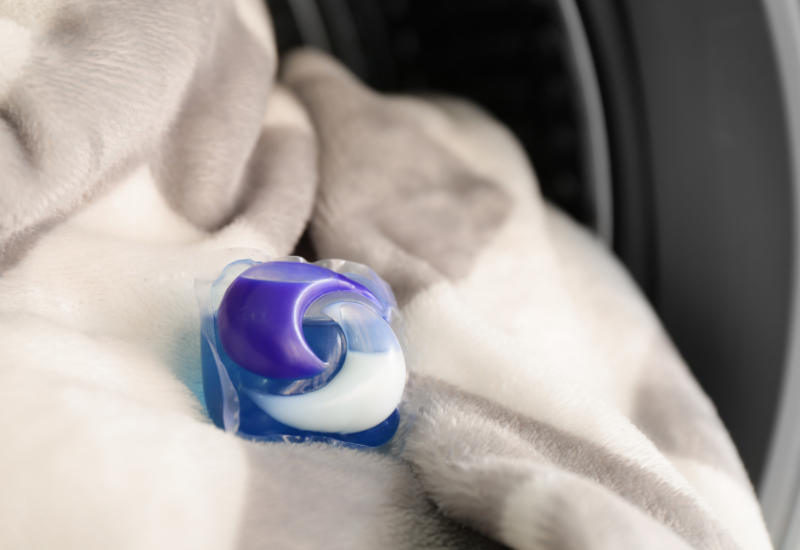
Laundry pods have become a popular choice for consumers due to their convenience, precise detergent dosing, and minimal mess. Behind these compact cleaning units is sophisticated machinery that ensures every pod is produced accurately and efficiently. Laundry pod machines are designed to handle the complex process of forming, filling, sealing, and cutting pods while maintaining consistent quality. Understanding how these machines operate provides insight into modern detergent production and the technological innovations driving efficiency in the industry.
The Basic Workflow of a Laundry Pod Machine
The operation of a laundry pod machine begins with the preparation of detergent formulations. These can be liquid, powder, or gel-based, depending on the product type. The detergent must be carefully blended to achieve the correct viscosity, concentration, and consistency. Proper preparation ensures that the pods will dissolve effectively in water and provide optimal cleaning performance.
Once the detergent is ready, it is fed into the machine’s dosing system. The dosing mechanism is responsible for depositing the exact quantity of detergent into each pod cavity. Precision is critical at this stage, as underfilled or overfilled pods can compromise cleaning performance and cause leakage. Modern machines often use volumetric pumps, piston fillers, or auger systems to handle a variety of detergent types accurately.
Film Feeding and Pod Formation
Laundry pods are encased in a water-soluble film, commonly made of polyvinyl alcohol (PVA). The film must be handled carefully to prevent tearing, wrinkling, or misalignment. The film feed system of a laundry pod machine unwinds the film from rolls and guides it into molds or cavities where the detergent will be deposited.
Sensors and tension controls ensure that the film is aligned correctly and moves smoothly through the machine. This automated process minimizes human error and ensures uniform pod formation. Machines like the Laundry Pod Machine integrate precise film handling with dosing and sealing systems, providing a seamless workflow for high-speed production.
Sealing the Pods
After the detergent is filled into the film cavities, the next critical step is sealing. Sealing ensures that the pods remain intact during handling, storage, and transportation. Depending on the machine, sealing can be achieved through heat or ultrasonic technology.
Heat sealing melts the edges of the film to form a secure bond, while ultrasonic sealing uses high-frequency vibrations to join the film without excessive heat. Proper sealing is crucial to prevent leakage and maintain the pod’s shape. Automated control systems regulate sealing parameters such as temperature, pressure, and duration, ensuring consistency across every unit produced.
Cutting and Pod Separation
Once the pods are sealed, they are still part of a continuous film strip. The cutting mechanism separates individual pods, creating uniformly sized units ready for packaging. Cutting must be precise to avoid damaging the pods or leaving uneven edges that could affect consumer experience.
Most machines use rotary cutters or mechanical blades, and advanced systems integrate sensors to detect misalignment or variations in pod shape. Automated cutting ensures that each pod is uniform and ready for packaging without additional manual handling.
Automation and Control Systems
Modern laundry pod machines rely heavily on automation and control systems to ensure efficiency, precision, and safety. Programmable logic controllers (PLC) coordinate the movement of film, dosing, sealing, and cutting components. Human-machine interfaces (HMI) allow operators to monitor production in real time, adjust parameters, and troubleshoot issues quickly.
Automation reduces labor requirements, minimizes human error, and allows machines to operate continuously for extended periods. Data logging and performance monitoring capabilities also enable manufacturers to track production efficiency, identify trends, and optimize operations.
Maintenance and Reliability
For a laundry pod machine to operate effectively, regular maintenance is essential. Components such as dosing units, sealing elements, and cutting blades require periodic cleaning and inspection. Preventive maintenance ensures that the machine operates at peak efficiency, reduces downtime, and maintains consistent pod quality.
Durable construction and high-quality components are also important for long-term reliability. Modern machines are designed to handle continuous high-speed production while minimizing wear and tear on critical parts.
Conclusion
Laundry pod machines are sophisticated systems that integrate multiple processes, including film handling, dosing, sealing, and cutting, into a seamless production workflow. Automation and precise engineering ensure consistent pod quality, reduce labor costs, and improve production efficiency.
Understanding the operation of a Laundry Pod Machine highlights the technological innovations that enable high-speed, large-scale pod production. From accurate dosing and secure sealing to precise cutting and automated monitoring, these machines play a critical role in delivering reliable, convenient, and high-quality laundry pods to consumers worldwide.