
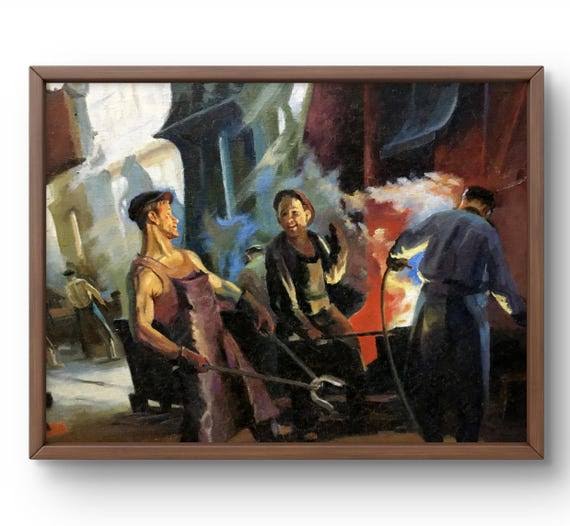
Selecting the right manufacturer is an important decision for art retailers, wholesalers, interior designers, and businesses looking for high-quality decorative paintings. A reliable production partner can help ensure consistent craftsmanship, suitable materials, timely deliveries, and artwork that meets customer expectations. However, with different manufacturers offering varying production capabilities, identifying the right partner requires careful evaluation.
An oil painting factory should offer more than basic painting services. Its artistic expertise, material selection, customization capabilities, quality control procedures, and production management all influence the final results. Understanding these factors helps buyers make informed decisions and establish long-term relationships with manufacturers that can support their business requirements.
1. Evaluate Artistic Experience and Professional Expertise
The artistic experience of a manufacturer is one of the first factors to consider. Oil painting requires knowledge of color theory, composition, perspective, brush techniques, and paint application methods.
A factory with experienced artists is generally better equipped to handle different artistic styles and complex designs.
Before choosing a production partner, examine its previous work and determine whether its artists have experience in producing the types of paintings you require.
Consider the following aspects:
- Experience with traditional and contemporary oil painting styles.
- Ability to create realistic and abstract artwork.
- Knowledge of different painting techniques.
- Experience with detailed compositions and customized designs.
- Consistency across multiple completed projects.
A strong portfolio provides useful insight into the manufacturer’s artistic capabilities.
2. Check the Quality of Painting Materials
The materials used during production directly affect the appearance, performance, and longevity of oil paintings. Even skilled artists may struggle to achieve satisfactory results when working with unsuitable supplies.
A reliable manufacturer should understand how to select appropriate materials for different painting requirements.
Oil Paint Quality
High-quality oil paints generally provide good pigmentation, color richness, and working consistency. Pigment selection also influences transparency, drying behavior, and color stability.
Buyers should ask about the types of paints used and whether the manufacturer can accommodate specific material requirements.
Canvas Selection
Canvas quality is another important consideration. Cotton and linen are commonly used for handmade oil paintings, with each offering different textures and characteristics.
The canvas should be properly stretched and primed to create a stable painting surface.
Brushes and Supporting Materials
Professional brushes, primers, frames, and finishing products contribute to the overall production quality. Suitable tools help artists achieve cleaner details and more consistent textures.
3. Examine the Manufacturer’s Product Range
A reliable manufacturer should have the ability to produce different types of oil paintings according to market demand.
A diverse product range allows buyers to source multiple artwork styles from one production partner.
Common categories include:
- Landscape oil paintings.
- Abstract decorative paintings.
- Portrait and figurative artwork.
- Floral and botanical paintings.
- Traditional and classical reproductions.
- Contemporary wall art.
- Large-format decorative paintings.
Reviewing the available product range helps determine whether the manufacturer can support your current requirements and potential future orders.
4. Assess Customization Capabilities
Customization is particularly important for retailers, interior designers, hospitality businesses, and wholesalers serving customers with different preferences.
A manufacturer should be able to adjust artwork according to specific design instructions rather than relying entirely on standard collections.
Important customization options include:
Custom Designs
The ability to create paintings from customer references, sketches, or original concepts provides greater flexibility.
Size and Dimensions
Different interiors require different artwork dimensions. Manufacturers should be able to discuss available canvas sizes and special dimension requirements.
Color Adjustments
Custom color combinations help paintings complement particular interior themes, furniture, and decorative arrangements.
Framing Options
Different frame materials, finishes, and styles can influence the final presentation. A flexible manufacturer should explain the available framing choices.
Before placing a large order, request information about customization procedures, design approvals, and any additional production requirements.
5. Understand the Quality Control Process
Quality control is essential for maintaining consistent standards, especially when ordering multiple paintings.
A dependable factory should have clear inspection procedures covering different production stages.
Material Inspection
Canvas, paints, primers, and frames should be checked before production begins. This reduces the risk of material-related defects.
Artwork Inspection
Completed paintings should be examined for color inconsistencies, unwanted marks, composition problems, and surface imperfections.
Structural Inspection
Canvas stretching, frame stability, and mounting quality should also be evaluated.
Final Inspection
Before packaging, each painting should receive a final assessment to confirm that it meets the agreed specifications.
Ask manufacturers how they document inspection results and handle products that fail to meet quality requirements.
6. Review Production Capacity and Lead Times
Production capacity is particularly important for businesses that require regular or large-volume orders.
A manufacturer should have sufficient artistic personnel, materials, and production space to manage the expected workload.
However, high production capacity does not automatically indicate better quality. The manufacturer must balance order volume with the time required for proper artistic execution.
When evaluating production capabilities, consider:
- Number of artists and production specialists.
- Ability to handle multiple artwork styles.
- Estimated completion times.
- Drying and finishing requirements.
- Experience with bulk orders.
- Capacity to manage urgent or seasonal demand.
It is also important to establish realistic delivery schedules before confirming an order.
7. Compare Pricing and Overall Value
Pricing is another important factor when choosing a painting manufacturer. However, selecting the cheapest supplier may create problems if the materials, craftsmanship, or finishing quality are inadequate.
Instead of comparing prices alone, examine the overall value offered by each manufacturer.
Production costs may depend on:
- Painting dimensions and canvas type.
- Paint quality and pigment selection.
- Artistic complexity and detailing.
- Number of colors and painting layers.
- Customization requirements.
- Framing and finishing options.
- Order quantity and packaging requirements.
Request detailed quotations that explain what is included in the price. This makes it easier to compare different manufacturers fairly.
8. Evaluate Communication and Customer Support
Clear communication helps prevent misunderstandings during the manufacturing process.
A reliable supplier should respond professionally to questions, explain production requirements, and provide updates when necessary.
Good communication is particularly important for customized orders because design instructions, color preferences, dimensions, and finishing details must be understood correctly.
Look for manufacturers that:
- Respond to inquiries within reasonable timeframes.
- Provide clear product information.
- Explain customization possibilities.
- Share production updates when agreed.
- Handle complaints professionally.
- Clarify order terms before production begins.
A manufacturer with an organized communication process is easier to work with over the long term.
9. Request Samples and Review Previous Work
Before placing a substantial order, buyers should evaluate the manufacturer’s actual workmanship.
Photographs can provide an initial impression, but they may not fully communicate paint texture, surface finish, or material quality.
Whenever practical, request a sample or inspect previously completed paintings.
Pay attention to the following details:
- Paint application and brushwork.
- Color consistency and depth.
- Canvas tension and surface preparation.
- Fine details and composition.
- Frame construction and finishing.
- Overall presentation.
For bulk orders, an approved sample can also serve as a reference for the expected quality of subsequent production.
10. Check Packaging and Shipping Capabilities
Even high-quality paintings can be damaged if they are not handled and packaged correctly.
Oil paintings require suitable protection during storage and transportation. Packaging methods should account for the artwork’s dimensions, frame type, surface condition, and shipping distance.
A reliable manufacturer should understand how to protect paintings against scratches, pressure, moisture, and handling damage.
Common packaging considerations include:
- Protective wrapping for the painting surface.
- Corner protection for framed artwork.
- Strong outer cartons or suitable crates.
- Internal cushioning to reduce movement.
- Appropriate handling and storage instructions.
Buyers should also discuss shipping arrangements, delivery timelines, and procedures for reporting damaged products.
11. Consider Environmental and Workplace Practices
Responsible production practices are increasingly important across the decorative art industry.
Oil painting production may involve pigments, drying oils, solvents, and other materials that require proper handling.
A professional manufacturing environment should maintain suitable ventilation, safe material storage, and responsible waste management procedures.
Buyers can ask whether the manufacturer follows appropriate safety practices and uses environmentally responsible materials where practical.
These considerations help create a safer production environment while supporting more responsible sourcing decisions.
12. Look for Reliability and Long-Term Business Potential
Choosing a manufacturer should involve evaluating its ability to support your business over time.
A supplier may meet the requirements of one order but struggle to maintain consistent quality or communication across repeated projects.
Long-term reliability depends on several factors, including production management, material sourcing, quality standards, and customer service.
Before entering a long-term agreement, discuss payment arrangements, order confirmation procedures, quality expectations, delivery responsibilities, and solutions for defective products.
A clear agreement helps both parties understand their responsibilities and reduces the possibility of future disputes.
Common Mistakes to Avoid When Selecting an Oil Painting Manufacturer
Even experienced buyers can overlook important details when comparing manufacturers.
Some common mistakes include:
Choosing based only on price: Low quotations may not include suitable materials, customization, or protective packaging.
Ignoring the portfolio: Failing to review previous artwork makes it difficult to evaluate artistic ability.
Skipping sample approval: Without an approved sample, buyers may discover differences in quality after receiving a large order.
Overlooking drying requirements: Oil paintings need appropriate drying time, which should be considered when planning delivery schedules.
Ignoring communication quality: Poor communication can result in incorrect dimensions, colors, or artwork specifications.
Not confirming delivery terms: Shipping responsibilities and damage procedures should be discussed before an order is finalized.
Avoiding these mistakes can make the supplier selection process more effective.
Questions to Ask Before Choosing a Factory
Before making a final decision, buyers should ask manufacturers several practical questions:
- How many years of experience do you have in oil painting production?
- What painting styles and subjects can you produce?
- Which types of oil paints and canvas materials do you use?
- Can you create customized designs and dimensions?
- Do you provide samples before bulk production?
- What quality control procedures do you follow?
- What are your estimated production and delivery times?
- How do you package paintings for international transportation?
- What happens if an order does not meet the agreed quality standards?
- Can you support repeat orders and long-term business requirements?
The answers can help buyers understand the manufacturer’s capabilities and determine whether its services match their expectations.
Conclusion
Choosing a reliable oil painting factory requires careful consideration of artistic experience, material quality, customization options, production capacity, and quality control procedures. Buyers should also evaluate pricing, communication, packaging, and long-term reliability before making a commitment.
A thoughtful selection process helps reduce sourcing risks and ensures that purchased artwork meets the required standards. Brands such as ARTLAND operate in a market where craftsmanship, creative variety, and dependable production practices are important considerations. By focusing on these factors, retailers, wholesalers, and art businesses can build stronger supplier relationships and offer customers handmade oil paintings that combine visual appeal with quality craftsmanship.