
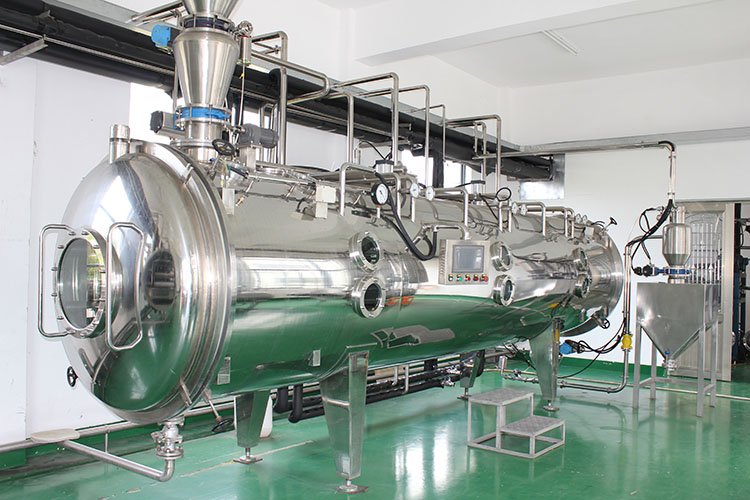
Vacuum drying technology has become an important part of many industrial processes where moisture removal, product quality, and process efficiency are essential. Unlike conventional drying methods, vacuum drying allows materials to be dried at lower temperatures by reducing pressure inside a controlled chamber. This makes it suitable for industries that handle heat-sensitive or moisture-sensitive products.
Across different sectors, manufacturers use Vacuum Drying Equipment to achieve consistent drying results, improve production efficiency, and protect material properties. From pharmaceuticals to food processing, this technology supports applications that require precise control over temperature, pressure, and drying conditions.
Pharmaceutical Industry
The pharmaceutical industry is one of the major users of vacuum drying technology. Many pharmaceutical ingredients and compounds require gentle drying conditions to maintain their chemical stability and effectiveness.
Vacuum drying is commonly used for:
- Active pharmaceutical ingredients
- Chemical intermediates
- Laboratory compounds
- Heat-sensitive materials
The controlled environment helps prevent product degradation while maintaining strict quality requirements.
Chemical Industry
Chemical manufacturers often process materials that require careful moisture removal without affecting their composition. Vacuum drying provides a reliable solution for handling various chemical substances.
Applications in chemical processing include:
- Solvent removal
- Powder drying
- Specialty chemical production
- Material conditioning
The ability to operate at lower temperatures makes vacuum drying suitable for sensitive chemical products.
Food Processing Industry
The food industry uses vacuum drying to preserve product quality while reducing moisture content. Traditional high-temperature drying methods can affect flavor, texture, and nutritional value, while vacuum drying provides a gentler alternative.
Common applications include:
- Fruit and vegetable drying
- Ingredient processing
- Flavor preservation
- Specialty food production
By maintaining lower drying temperatures, manufacturers can better preserve important product characteristics.
Biotechnology Industry
Biotechnology applications often involve sensitive biological materials that require precise drying conditions. Vacuum drying helps remove moisture while minimizing damage to valuable compounds.
It is commonly used for:
- Biological samples
- Research materials
- Laboratory products
- Specialty biological compounds
Accurate temperature and pressure control make vacuum drying suitable for these demanding applications.
Electronics and Advanced Materials Industry
Many advanced materials and electronic components require controlled moisture removal during manufacturing. Excess moisture can affect product performance and reliability.
Vacuum drying is used for:
- Component drying
- Material preparation
- Moisture-sensitive parts
- Specialty materials processing
The controlled drying environment helps improve product consistency and performance.
Research and Laboratory Applications
Research facilities and laboratories often require precise drying solutions for experiments and small-scale production. Vacuum drying equipment provides accurate control over process conditions.
Typical uses include:
- Sample preparation
- Chemical research
- Material testing
- Experimental processing
Its flexibility makes it valuable for both research and development environments.
Advantages Across Different Industries
Although applications vary, many industries benefit from vacuum drying due to several common advantages:
- Lower drying temperatures
- Improved product protection
- Consistent moisture removal
- Better process control
- Reduced risk of contamination
These benefits make vacuum drying a versatile solution for industries with strict quality requirements.
Factors Influencing Equipment Selection
Different industries have different drying requirements, so selecting suitable equipment depends on several factors.
Important considerations include:
- Material characteristics
- Required drying capacity
- Temperature sensitivity
- Production volume
- Automation requirements
- Cleaning and maintenance needs
Understanding these factors helps businesses choose equipment that matches their specific processes.
Conclusion
Vacuum drying equipment is widely used across industries that require efficient and controlled moisture removal. Pharmaceutical, chemical, food processing, biotechnology, electronics, and research sectors all benefit from the precision and flexibility offered by this technology. As manufacturers continue to focus on quality, efficiency, and process reliability, vacuum drying remains an essential solution for modern industrial applications.