

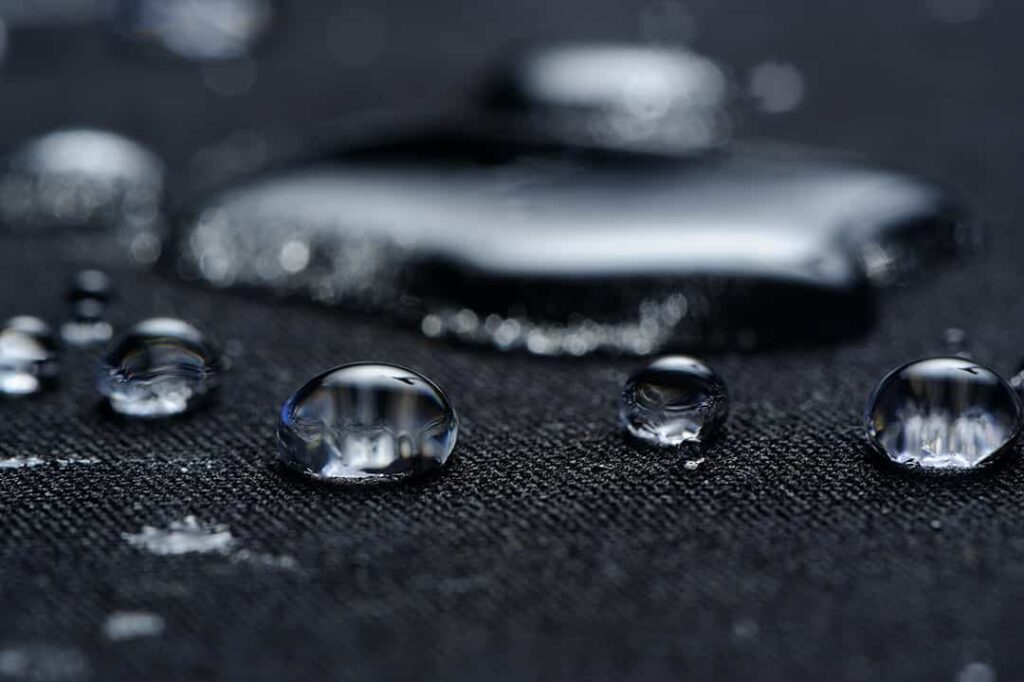
Comfort and moisture management have become essential expectations in modern textile products. Whether used in bedding, furniture protection, or technical home textiles, fabrics must feel pleasant to the touch while effectively controlling liquids and humidity. Traditional waterproof materials often fall short by feeling stiff or trapping heat, which can reduce overall user satisfaction.
To address these challenges, Waterproof Microfiber Fabric has emerged as a reliable solution that blends softness with advanced moisture protection. Made from ultra-fine synthetic fibers and enhanced with waterproof technology, this fabric offers a refined balance between comfort and performance. Its growing adoption reflects a broader shift toward textiles that protect without compromising the user experience.
Understanding the Structure of Waterproof Microfiber Fabric
Waterproof microfiber fabric is constructed using extremely fine fibers, typically polyester or nylon, woven tightly to form a dense yet lightweight textile. These fibers are much thinner than natural fibers, which allows the fabric to feel smooth while maintaining strength. To achieve waterproof performance, a specialized coating or laminated membrane is applied to the microfiber base.
This construction creates a barrier that blocks liquid water while preserving the fabric’s flexibility. Because the waterproof layer is integrated rather than applied superficially, the fabric maintains consistent performance even after repeated use and washing.
How Microfiber Improves Comfort
One of the key advantages of microfiber is its soft and smooth texture. The fine fibers create a gentle surface that feels comfortable against the skin, making it suitable for products used in close contact with the body. Unlike heavier waterproof fabrics, microfiber does not feel bulky or rigid.
This softness is especially important in bedding and upholstery applications, where comfort directly affects daily use. The lightweight nature of microfiber also allows products to drape naturally, enhancing both comfort and visual appeal.
Effective Moisture Control and Spill Protection
Moisture control is a defining feature of waterproof microfiber fabric. The waterproof membrane prevents liquids such as spills, sweat, or accidental leaks from passing through the fabric. At the same time, the microfiber surface helps manage surface moisture by dispersing it evenly, reducing pooling and discomfort.
This dual action protects underlying surfaces like mattresses, cushions, or equipment from damage caused by moisture. It also helps prevent issues such as staining, odor buildup, and mold growth, which are common concerns in moisture-prone environments.
Breathability and Temperature Regulation
A common concern with waterproof fabrics is heat retention. Modern waterproof microfiber fabrics address this issue by incorporating breathable membranes that allow water vapor to escape. This breathability supports temperature regulation and reduces the buildup of humidity.
In practical use, this means users are less likely to feel overheated or clammy. Whether used in bedding or seating applications, breathable waterproof microfiber contributes to a more comfortable and balanced environment.
Applications in Bedding and Home Textiles
Waterproof microfiber fabric is widely used in bedding products such as mattress protectors, pillow covers, and fitted sheets. These items benefit from the fabric’s ability to protect against moisture while maintaining a soft and quiet surface. The lightweight construction also ensures that bedding remains easy to handle and wash.
In home textiles, the fabric is commonly found in furniture covers and cushion protectors. Its smooth appearance blends well with interior decor, while the waterproof layer safeguards upholstery from everyday spills and accidents.
Durability and Long-Term Performance
Despite its soft feel, waterproof microfiber fabric is highly durable. The dense fiber structure resists tearing and abrasion, making it suitable for frequent use. When combined with a high-quality waterproof layer, the fabric maintains its protective properties over time.
This durability is particularly valuable in settings where textiles are washed often or subjected to regular handling. Long-term performance reduces the need for frequent replacements, offering both practical and economic benefits.
Easy Maintenance and Hygiene Benefits
Another advantage of waterproof microfiber fabric is ease of maintenance. Most products made from this material can be machine washed and dried without losing their waterproof effectiveness. The fabric dries quickly and resists staining, simplifying routine care.
These qualities make it well-suited for environments where cleanliness is a priority, such as households with children or pets, hospitality settings, and healthcare-related applications.
Lightweight Design and Practical Usability
The lightweight nature of microfiber enhances usability across many applications. Products are easier to install, remove, and transport compared to heavier waterproof alternatives. This ease of handling improves the overall user experience and supports efficient product design.
Manufacturers also benefit from the material’s flexibility during production, as it is easier to cut, sew, and integrate into finished products.
Conclusion
Waterproof microfiber fabric enhances comfort and moisture control through a thoughtful combination of fine fiber construction and advanced waterproof technology. Its soft texture, breathability, and reliable protection make it suitable for a wide range of home and textile applications. By delivering effective moisture management without sacrificing comfort, this fabric continues to meet the evolving expectations of users seeking practical and comfortable waterproof solutions.