
Choosing the right equipment can make soccer training more comfortable and help players feel prepared for competitive matches. However, the best choices depend on factors such as playing surface, position, age, skill level, and how often you play.
A practical approach to Soccer Gear and Equipment starts with identifying what you actually need rather than buying every available product. Training and competition may also have different requirements, so it is worth considering how each item will be used before making a purchase.
Start With the Essentials
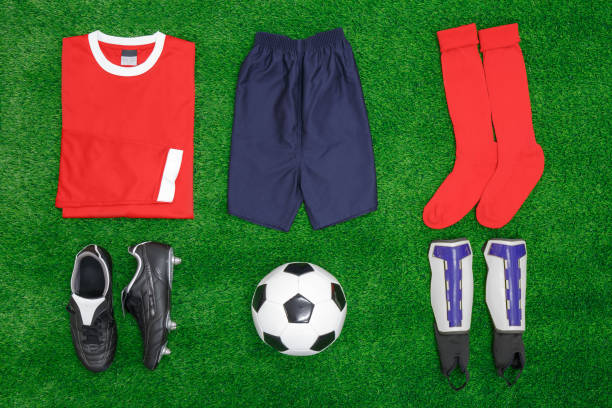
Every player should begin with the basic equipment required for safe and comfortable participation. For most outfield players, this includes cleats, shin guards, soccer socks, suitable clothing, and access to an appropriate soccer ball.
A water bottle and equipment bag are also useful additions for regular training and match days.
Starting with essential items allows players to build a practical kit without spending money on equipment they may rarely use.
Choose Cleats for the Playing Surface
Footwear should be selected according to the surface where you normally play. Natural grass, artificial turf, and indoor courts require different sole designs.
Firm-ground cleats are commonly used on suitable natural grass, while artificial-ground footwear is designed for synthetic surfaces. Indoor soccer shoes generally have flat, non-marking soles.
If you train and compete on different surfaces, you may eventually need separate footwear for each environment.
Prioritize Proper Fit
The correct fit is just as important as the equipment itself. Cleats should hold the foot securely without causing excessive pressure or allowing too much movement.
Shin guards should provide suitable coverage and remain in place during running and turning. Goalkeeper gloves should fit closely while allowing natural hand movement.
Always check the manufacturer’s sizing information, as measurements can vary between brands and models.
Consider Your Position
Your position can affect which equipment deserves the most attention.
Goalkeepers need specialized gloves and may choose padded clothing for additional cushioning during dives. Defenders may prioritize stable footwear and secure shin protection.
Midfielders often cover large areas of the field and may value comfort and durability. Forwards may prefer responsive footwear that feels comfortable during acceleration and quick changes of direction.
These are general preferences rather than strict rules. Individual comfort should always be considered.
Match Equipment to Your Playing Style
Your playing style can influence equipment preferences even when you share a position with another player.
A player who depends on speed and agility may prefer lightweight cleats, while someone who values stability may choose a more structured design.
Players who focus heavily on close control and passing may pay attention to the feel and flexibility of their footwear.
The best equipment should support your natural movements rather than force you to change your style.
Select Appropriate Shin Guards
Shin guards are essential protective equipment for both training and competition. They help reduce the effects of accidental contact with an opponent’s foot or the ball.
Look for guards that provide adequate coverage without becoming uncomfortable. Lightweight designs may be appealing to players who dislike bulky equipment, while other players may prefer more substantial protection.
Check them regularly for cracks or other damage and replace them when they can no longer provide reliable coverage.
Choose Training Gear for Frequent Use
Training equipment typically needs to withstand repeated sessions. Players who practice several times each week may benefit from durable clothing, reliable footwear, and equipment that is easy to clean.
Training balls are commonly designed for regular use and may be a practical option for drills and individual practice.
Training accessories such as cones, rebounders, agility ladders, and hurdles can also be useful when they support specific development goals.
Prepare Separate Match-Day Equipment When Useful
Not every player needs a separate match-day collection, but competitive athletes may find it practical.
Match equipment can include a designated pair of cleats, team uniform, shin guards, socks, and other items required by the competition.
Keeping match gear in good condition can also make pre-game preparation easier, particularly when fixtures are played away from home.
Check Competition Rules
Before purchasing equipment for competitive use, check the rules established by your league, club, school, or tournament.
Some competitions have requirements for uniforms, footwear, shin guards, goalkeeper clothing, and other equipment.
A product that is perfectly suitable for training may not necessarily meet the requirements of an official match.
Think About Weather Conditions
Outdoor training and competition can involve changing weather conditions. Your equipment should help you remain comfortable without restricting movement.
In hot weather, breathable clothing and convenient access to water can be especially important. Colder conditions may require base layers, warm-up clothing, or suitable outerwear.
Players who regularly play in wet conditions should also consider how easily their gear can be cleaned and dried.
Evaluate Materials and Construction
Equipment materials can affect durability, comfort, flexibility, and maintenance.
Synthetic materials are common in cleats and soccer clothing because they can provide a balance of durability and lightweight performance. Shin guards and goalkeeper gloves use specialized materials based on their protective or functional requirements.
When comparing products, look beyond appearance and consider construction details such as stitching, sole design, fastening systems, and protective layers.
Balance Quality and Budget
The most expensive equipment is not automatically the best option for every player.
Beginners and recreational players may not benefit from advanced features designed for professional athletes. On the other hand, competitive players who train frequently may find that investing in durable equipment provides better long-term value.
Compare products based on intended use, fit, durability, and useful features rather than price alone.
Consider How Often You Play
Your playing frequency should influence your equipment choices.
Someone who plays occasionally may only need one reliable set of basic equipment. Players who train or compete several times a week may need additional clothing, spare socks, or more durable gear.
Frequent use also makes maintenance more important. Equipment that is easy to clean and store can be more practical over time.
Choose the Right Soccer Ball
The ball should be appropriate for the player’s age and level of play. Younger players generally use smaller ball sizes, while older youth and adult players commonly use size 5.
Training balls are useful for repeated practice, while match balls may need to meet specific competition standards.
Regardless of the type, maintain the ball at the manufacturer’s recommended pressure for more consistent handling and flight.
Consider Goalkeeper-Specific Needs
Goalkeepers have additional equipment requirements because they face different physical demands.
Goalkeeper gloves should be selected according to fit, grip, flexibility, and playing conditions. Some players may also use padded jerseys, shorts, or trousers.
These items should provide useful protection without creating unnecessary bulk or restricting movement.
Maintain Equipment Between Sessions
Proper maintenance helps preserve the performance and lifespan of soccer gear.
Clean muddy cleats after outdoor sessions and allow them to dry naturally. Wash clothing according to care instructions and remove wet items from equipment bags promptly.
Goalkeeper gloves often require specific cleaning and storage methods. Shin guards and soccer balls should also be cleaned regularly.
Inspect Gear Before Training and Matches
A quick equipment check can prevent avoidable problems. Look for worn cleat soles, damaged shin guards, loose fasteners, or deteriorating goalkeeper glove palms.
Make sure clothing and socks still fit properly, particularly for growing players.
For match days, checking equipment in advance gives you time to replace or repair anything that is no longer suitable.
Build Your Kit Gradually
You do not need to purchase every type of equipment at once. Begin with the items required for your current level of play and add specialized gear as your needs develop.
As you gain experience, you will also learn which features matter most to you. This can make future purchases more targeted and cost-effective.
Final Thoughts
Selecting equipment for training and competition is largely about matching each item to your individual needs. Playing surface, position, playing style, age, weather, frequency of use, and competition rules should all influence your choices.
Prioritize proper fit, comfort, protection, durability, and practical features. With a well-planned equipment setup, players can prepare more confidently for regular training sessions while meeting the demands of competitive play.