
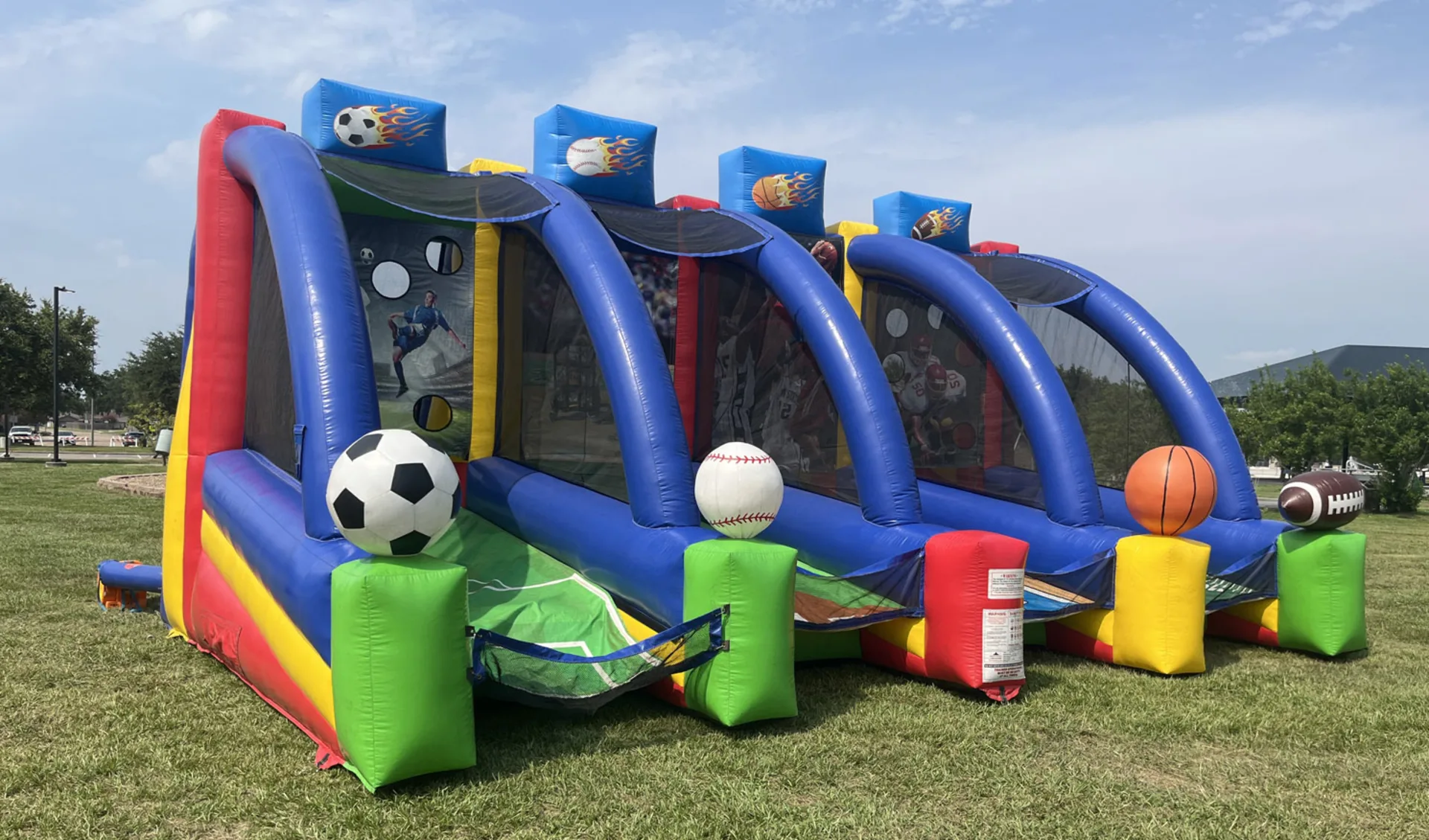
Choosing the right entertainment can make a major difference in the success of a school celebration, community festival, birthday party, or corporate gathering. Inflatable sports attractions are popular because they combine interactive play with friendly competition, giving guests an enjoyable way to participate regardless of their athletic experience. However, not every game is suitable for every age group or venue.
When planning an event, organizers should consider participants’ ages, physical abilities, available space, and the type of experience they want to create. Selecting suitable Inflatable Sports Games can help make activities more engaging, improve event flow, and support a safer environment for everyone involved.
Understand the Needs of Different Age Groups
Age is one of the most important factors when choosing inflatable sports attractions. Younger children generally benefit from simple activities with easy-to-understand rules, while teenagers and adults may prefer challenges that involve greater accuracy, strategy, or competition.
Inflatable Sports Games for Young Children
For younger participants, choose games that emphasize simple movements, colorful designs, and straightforward objectives. Small basketball shooting stations, gentle ball-throwing challenges, and age-appropriate obstacle activities can introduce children to sports-inspired play without making the experience too complicated.
Look for equipment specifically designed for the intended age range. Pay attention to entrance dimensions, padded surfaces, participant limits, and any restrictions provided by the manufacturer.
Adult supervision is essential, especially when several children are using an attraction. Organizers should explain the rules clearly and prevent overcrowding.
Games for School-Age Children
School-age children often enjoy activities that combine physical movement with achievable goals. Football target games, basketball shooting competitions, and short obstacle courses can encourage coordination and friendly rivalry.
These attractions work well for school sports days, birthday celebrations, community fairs, and youth group activities. Organizers can create individual challenges or divide participants into teams to encourage cooperation.
When choosing equipment, consider the children’s abilities and the event’s expected attendance. Games with quick turns and simple scoring systems can help keep queues manageable during busy events.
Options for Teenagers
Teenagers may appreciate activities that offer a greater sense of challenge and competition. Larger basketball shooting games, football accuracy challenges, and suitable team-based obstacle courses can provide opportunities to test skills and compete with friends.
A leaderboard or timed challenge can make the experience more exciting, particularly at school festivals and youth events. However, competition should remain enjoyable and should not encourage participants to ignore safety instructions.
Select attractions that accommodate the intended participants and provide enough room for safe movement around the equipment.
Inflatable Sports Games for Adults
Adults may enjoy sports-inspired games that combine accuracy, teamwork, and light physical activity. Basketball shooting contests, football target challenges, and team relay activities can be suitable for corporate parties, company picnics, and community gatherings.
For mixed-ability groups, consider games that reward precision or cooperation rather than relying entirely on speed or endurance. This helps make activities more accessible to employees, guests, and visitors with different levels of fitness.
Always check the manufacturer’s participant restrictions instead of assuming that an attraction designed for children is also appropriate for adults.
Choose Games Based on the Event Space
The physical environment can determine which inflatable attractions are practical. Before selecting equipment, measure the usable area and identify any restrictions that could affect setup, access, or operation.
Small Indoor Venues
Community halls, school gyms, and indoor party venues may have limited floor space and ceiling height. Compact basketball games or small target-based activities can be suitable when their dimensions and operating requirements fit the location.
Before installation, confirm the ceiling clearance, electrical access, ventilation, and available space around the attraction. The layout should also preserve clear walkways and emergency exits.
Not every inflatable is designed for indoor use, so verify the manufacturer’s requirements before booking or purchasing equipment.
Large Indoor Event Spaces
Exhibition halls, sports centers, and large multipurpose venues can accommodate a wider selection of attractions. Organizers may be able to create several sports stations, allowing participants to move between activities throughout the event.
For example, a basketball challenge could be placed near a football target game, with a separate waiting area for each attraction. This arrangement can distribute guests more evenly and reduce congestion.
Even in a large venue, equipment must be installed according to its safety requirements, with adequate clearance and access for supervisors.
Outdoor School Grounds and Parks
Outdoor spaces provide flexibility for larger inflatables and activities that require more room. Football target games, suitable obstacle courses, and basketball attractions can be included in sports days, festivals, and company picnics.
Ground conditions are particularly important. The installation surface should meet the manufacturer’s requirements, and the equipment must be secured using approved anchoring methods.
Organizers should also monitor wind, rain, heat, and other weather conditions. Outdoor inflatables should be operated only within the manufacturer’s specified limits.
Corporate Event Venues
Corporate events often take place in hotel grounds, conference facilities, rented halls, or outdoor function spaces. The ideal attraction depends on the event’s purpose and atmosphere.
A compact basketball shooting station may suit a networking event with limited free time, while several interactive sports games may work better at a company family day or team-building retreat.
Consider the space needed for participants, spectators, staff, and queues. An organized layout allows guests to enjoy the games without interfering with other event activities.
Match the Game Type to Your Event Goals
Age and space are important, but the event’s objective should also guide your selection.
For School Sports Days
Choose activities that encourage participation, coordination, and sportsmanship. Football accuracy games, basketball contests, and suitable obstacle challenges can complement traditional races and team sports.
Create clear rules and rotate participants regularly so that more students have an opportunity to take part.
For Birthday Parties and Family Gatherings
Family events benefit from attractions that are easy to understand and enjoyable for a range of guests. If children of different ages are attending, select games that match their abilities or provide separate activities for different groups.
Confirm the permitted age ranges and participant limits before allowing children and adults to use the same attraction.
For Team-Building Events
For workplace gatherings, prioritize activities that encourage communication and shared goals. Teams can compete to achieve a combined basketball score or complete a series of football target challenges.
Simple scoring systems make it easier for everyone to participate, while short rounds help maintain momentum throughout the event.
For Festivals and Public Events
Public festivals often attract guests with different ages, abilities, and interests. A combination of sports challenges can appeal to a broader audience than a single activity.
Choose attractions with suitable capacity and plan for busy periods. Visible instructions, organized queues, and trained attendants can help visitors understand how to participate.
Important Safety and Practical Considerations
A suitable inflatable must meet more than size and entertainment requirements. Before making a final decision, review the equipment’s construction, operating instructions, and maintenance needs.
Consider these factors:
- Participant restrictions: Confirm age, height, weight, and capacity limits specified by the manufacturer.
- Material quality: Look for durable materials and reinforced construction appropriate for the attraction’s intended use.
- Anchoring and stability: Ensure the equipment can be secured correctly on the selected surface.
- Supervision: Arrange trained attendants who can monitor use and enforce the rules.
- Maintenance: Inspect the inflatable, blower, seams, and connections before each use.
- Weather conditions: Follow operating limits for wind, rain, and other environmental factors.
- Access and layout: Keep entrances, exits, emergency routes, and surrounding areas clear.
If you are renting equipment, ask the supplier about setup, supervision, cleaning, repairs, and what is included in the rental agreement. If you are purchasing, consider storage, transportation, maintenance, and expected frequency of use.
Plan Your Budget and Setup Requirements
Your budget should account for more than the initial rental fee or purchase price. Transportation, installation, staff, electricity, safety equipment, and maintenance may also affect the overall cost.
Smaller attractions can be practical for limited spaces or short events, while larger installations may require more equipment and additional personnel. Compare options based on their suitability for your audience rather than choosing solely by price.
It is also helpful to confirm setup and dismantling times with the supplier. This allows you to coordinate the attraction with catering, decorations, registration, and other scheduled activities.
Conclusion
Choosing inflatable sports attractions requires a balance between participant age, venue size, event objectives, and safety requirements. Simple shooting games can work well for younger children, while teenagers and adults may enjoy more challenging accuracy contests and team activities. Compact attractions can suit indoor venues, whereas larger outdoor spaces may accommodate several activity stations.
By assessing your audience, measuring the available area, reviewing equipment restrictions, and planning supervision in advance, you can select inflatable sports games that make your event more enjoyable, organized, and memorable.