
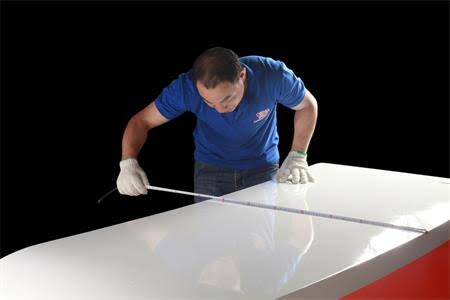
Solid surface materials have become increasingly popular across various industries because of their design flexibility, smooth appearance, and adaptability to different functional requirements. From residential kitchen countertops to commercial reception desks and healthcare fixtures, these engineered materials can be manufactured in different shapes, colors, sizes, and finishes. Their ability to accommodate customized designs makes them suitable for projects that require both practical performance and visual consistency.
Developing customized products involves more than changing the dimensions of a standard sheet. Manufacturers must understand the intended application, select suitable materials, prepare accurate designs, and control each production stage. A capable Solid Surface Manufacturer combines material knowledge, manufacturing technology, and customer communication to develop products that meet the specific needs of different industries.
1. Understanding Industry-Specific Requirements
The customization process begins with identifying how the product will be used. Different industries have different expectations regarding appearance, dimensions, durability, maintenance, and installation.
For example, residential customers may prioritize attractive colors and practical countertop designs, while commercial developers may require standardized dimensions and consistent finishes across multiple locations.
Manufacturers typically gather information about:
- Intended product application
- Required dimensions and thickness
- Preferred colors and patterns
- Surface finish
- Expected usage conditions
- Cleaning and maintenance requirements
- Installation methods
- Quantity and delivery schedule
This information provides a foundation for developing a product that meets the customer’s actual requirements rather than relying on a standard design that may not be suitable.
2. Selecting Suitable Materials and Formulations
Once the requirements are understood, manufacturers evaluate the material composition needed for the product.
Solid surface materials commonly contain mineral fillers, resin systems, pigments, and other additives. The formulation can influence the product’s appearance, processing characteristics, and performance.
Different applications may require different material considerations. A bathroom vanity, for example, may need a suitable formulation and construction approach for regular moisture exposure, while a commercial countertop may require attention to cleaning routines and everyday contact.
Manufacturers consider factors such as:
- Resin type
- Mineral filler composition
- Material thickness
- Color requirements
- Surface characteristics
- Fabrication methods
- Applicable performance specifications
The selected formulation should be appropriate for the intended application and supported by relevant technical information.
3. Developing Customized Designs
After material requirements are established, the design team develops a product concept.
Computer-aided design (CAD) software and three-dimensional modeling tools can help manufacturers create accurate product drawings and evaluate complex shapes before production begins.
Digital design allows teams to examine dimensions, proportions, openings, edges, and connections. It also makes it easier to communicate design details between customers, engineers, and production personnel.
Customized designs may include:
- Special countertop dimensions
- Integrated basins
- Curved vanity tops
- Decorative wall panels
- Customized reception counters
- Unique sink shapes
- Special edge profiles
Before manufacturing, the design should be reviewed to confirm that it is practical to produce and compatible with the intended installation conditions.
4. Creating Prototypes and Samples
For complex or customized orders, prototype development can help identify potential issues before full-scale manufacturing.
A prototype allows customers and manufacturers to evaluate the proposed design physically. It can reveal problems that may not be obvious in digital drawings, such as unsuitable proportions, difficult connections, or unexpected surface characteristics.
Sample development is also important when customers request specific colors or decorative patterns.
The approval process may involve:
- Preparing a design drawing.
- Producing a material or color sample.
- Reviewing dimensions and appearance.
- Collecting customer feedback.
- Adjusting the design if necessary.
- Confirming the final specifications.
An approved sample can serve as a reference during production and final inspection.
5. Using Advanced Manufacturing Equipment
Customized solid surface products often require specialized machinery and precise processing methods.
Modern manufacturing facilities may use automated mixing systems, controlled molding equipment, CNC cutting machines, and specialized finishing tools.
These technologies help manufacturers produce complex components with repeatable dimensions and consistent surface quality.
For example, CNC equipment can follow digital design instructions to cut openings, shape edges, and prepare components for assembly.
The use of suitable machinery is particularly valuable when orders involve multiple customized products that must fit together accurately.
6. Customizing Colors and Decorative Patterns
Color selection is one of the most visible aspects of solid surface customization.
Different industries and design projects may require specific color schemes. Residential interiors often use colors that complement cabinetry and flooring, while hotels, retail spaces, and corporate offices may follow established branding guidelines.
Manufacturers can develop different visual effects through controlled pigment selection and material processing techniques.
Available design options may include:
- Solid colors
- Neutral shades
- Stone-inspired patterns
- Multi-tone effects
- Speckled appearances
- Customized color combinations
Digital color references and approved physical samples can help maintain consistency across repeat orders.
Because lighting and surface finishes influence color perception, customers should evaluate physical samples under conditions similar to those in the intended installation environment.
7. Designing Products for the Residential Construction Industry
Residential construction is one of the major application areas for solid surface materials.
Homeowners, architects, and interior designers often seek products that combine practical functionality with attractive designs.
Manufacturers may develop customized products such as kitchen countertops, bathroom vanities, shower-related components, decorative wall surfaces, and integrated washbasins.
Customization may focus on:
- Kitchen layout dimensions
- Sink and basin integration
- Matching countertop and vanity colors
- Edge profiles
- Surface finishes
- Space-saving designs
Residential projects often involve different room sizes and design preferences, so flexible dimensions and coordinated product options are valuable.
Manufacturers must also provide suitable fabrication and maintenance guidance to support the final installation.
8. Developing Solutions for Hotels and Hospitality Projects
Hotels, resorts, restaurants, and other hospitality businesses often require materials that maintain a consistent appearance across multiple spaces.
Solid surface products can be customized for guest bathrooms, reception counters, restaurant service areas, vanity units, and decorative interior elements.
Hospitality projects may involve large quantities of coordinated components, making repeatability an important production requirement.
Manufacturers may customize:
- Reception desk shapes
- Bathroom vanity dimensions
- Integrated washbasins
- Restaurant countertops
- Decorative wall panels
- Coordinated colors and finishes
Production planning is especially important when multiple rooms or facilities require similar components. Clear specifications and sample approvals help reduce variations between different batches.
9. Customizing Products for Healthcare Facilities
Healthcare environments have specific requirements relating to cleaning, maintenance, installation, and material performance.
Solid surface materials may be used in selected reception areas, laboratory workspaces, nursing stations, countertops, and other interior fixtures.
Depending on the application, manufacturers may develop products with seamless-looking designs, integrated components, and configurations that reduce difficult-to-clean joints.
However, material suitability must be evaluated against the facility’s actual hygiene and operational requirements.
Manufacturers and buyers should consider:
- Approved cleaning and disinfection products
- Surface condition and maintenance
- Joint and seam construction
- Product dimensions
- Applicable healthcare specifications
- Relevant chemical resistance information
Any hygiene or antimicrobial performance claims should be supported by appropriate product-specific evidence rather than assumed from the material category alone.
10. Creating Customized Products for Retail and Commercial Spaces
Retail stores, offices, shopping centers, and commercial buildings often use solid surface materials for furniture and interior fixtures.
These projects may prioritize brand identity, distinctive designs, consistent finishes, and practical maintenance.
Manufacturers can create customized display counters, reception desks, service stations, wall features, and decorative furniture components.
For commercial applications, customization may involve:
- Corporate colors
- Special countertop dimensions
- Integrated display features
- Unique edge treatments
- Curved or geometric shapes
- Coordinated interior components
The ability to reproduce approved designs is especially important for businesses with multiple branches or standardized store layouts.
11. Meeting Requirements for Food Service and Restaurant Environments
Restaurants, cafés, and food service businesses may use solid surface materials for selected countertops, serving areas, and decorative fixtures.
These applications require careful consideration of cleaning practices, surface condition, and the operational demands of the environment.
Manufacturers may develop customized counters and service surfaces with specific dimensions, integrated features, and suitable finishes.
Before choosing a product for direct food-contact applications, buyers should verify whether the exact material and installation meet the relevant food-contact regulations and requirements.
Other important considerations include:
- Cleaning product compatibility
- Resistance to common stains
- Seam construction
- Surface maintenance
- Heat exposure
- Fabrication quality
Selecting a product based on documented suitability helps businesses avoid assumptions about performance.
12. Custom Fabrication for Furniture and Interior Design
Solid surface materials can also be incorporated into customized furniture and decorative architectural elements.
Their workability allows fabricators to create different shapes and profiles for selected applications.
Examples include:
- Designer tables
- Decorative shelves
- Reception furniture
- Integrated furniture tops
- Curved decorative panels
- Display units
- Bespoke interior features
Some acrylic solid surface materials can be thermoformed under controlled conditions, allowing fabricators to create curved shapes. The process depends on the specific formulation and manufacturer recommendations.
Customized furniture components often require coordination between designers, manufacturers, and installation teams to ensure that dimensions and connection details are suitable.
13. Maintaining Quality Control During Customized Production
Customized products require careful quality management because they may involve special dimensions, colors, shapes, or fabrication methods.
Manufacturers should inspect materials throughout production rather than relying exclusively on final visual checks.
Quality control may include:
- Reviewing approved design drawings.
- Checking raw material specifications.
- Verifying formulation and mixing procedures.
- Monitoring molding and curing conditions.
- Measuring finished dimensions.
- Inspecting color and surface consistency.
- Checking edges, joints, and fabricated details.
- Confirming packaging requirements.
For complex products, inspection criteria should be established before manufacturing begins. This helps ensure that customers and production teams share the same expectations.
14. Managing Production Costs and Lead Times
Customized manufacturing may involve additional costs compared with standard products.
Special molds, prototype development, unique materials, additional machining, and small production quantities can all influence the final quotation.
Lead times may also increase when a project requires design approval, sample preparation, or specialized fabrication.
Buyers should discuss the following factors before confirming an order:
- Design and engineering costs
- Prototype or sample charges
- Minimum order quantities
- Tooling requirements
- Production capacity
- Material availability
- Manufacturing lead time
- Packaging and shipping costs
A detailed quotation helps customers understand the relationship between customization requirements and total project expenditure.
15. Supporting Installation and After-Sales Requirements
A customized product must be designed with installation in mind. Incorrect dimensions or unsuitable connection details can create difficulties even when manufacturing quality is acceptable.
Manufacturers may support customers by providing product drawings, handling instructions, fabrication recommendations, and maintenance information.
Before ordering, buyers should confirm whether the supplier can assist with:
- Installation measurements
- Product handling
- Joint and seam preparation
- Adhesive recommendations
- Surface finishing
- Cleaning and maintenance
- Warranty-related questions
Good communication between the manufacturer, fabricator, contractor, and designer helps reduce installation errors.
16. How Buyers Can Evaluate a Manufacturer’s Customization Capabilities
Not every manufacturer offers the same level of customization. Some specialize in standard sheets, while others have the equipment and technical teams needed to produce complex molded or fabricated components.
Buyers should evaluate suppliers using clear criteria.
| Evaluation area | What to examine |
|---|---|
| Design support | CAD drawings and technical consultation |
| Material options | Available formulations and product grades |
| Color development | Custom colors and pattern consistency |
| Fabrication | Cutting, shaping, bonding, and finishing |
| Prototyping | Availability of samples and trial products |
| Production capacity | Ability to handle customized quantities |
| Quality control | Inspection procedures for special designs |
| Documentation | Product specifications and test reports |
| Delivery planning | Realistic production and shipping schedules |
| After-sales support | Installation and maintenance guidance |
Reviewing previous customized products and requesting samples can provide useful evidence of a supplier’s capabilities.
Conclusion
Customized solid surface manufacturing involves a coordinated process that combines customer requirements, material selection, digital design, prototype development, precision fabrication, and quality inspection. Different industries have different expectations, so manufacturers must adapt product dimensions, colors, finishes, and construction details to suit each application.
From residential countertops and hotel vanities to healthcare fixtures and commercial reception areas, customization allows solid surface materials to address a wide range of design and functional needs.
For buyers, selecting a manufacturer with suitable technical expertise, production equipment, and quality management procedures is essential. Clear specifications, approved samples, and communication throughout the production process help ensure that customized products meet project expectations and provide reliable results.