
Accurate record keeping is an important part of industrial operations. Production teams, technicians, and managers may need reliable records of measurements, equipment activity, inspections, transactions, and completed processes. While digital systems can store large amounts of information, physical documents can still provide practical value in many working environments.
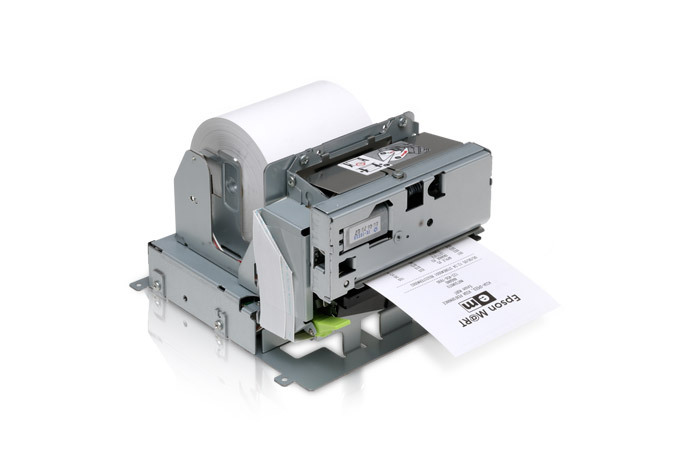
A Panel Printer can be integrated directly into industrial equipment to produce records as information is generated. Instead of requiring operators to manually copy measurements or transfer data to another device, the system can automatically print selected information at the appropriate stage of a process.
The Role of Printing in Industrial Records
Industrial record keeping involves collecting and organizing information that describes what happened during an operation. Records may be used for production tracking, quality checks, maintenance, inventory management, or internal documentation.
An integrated printer can turn machine-generated information into a physical document. This provides an additional format for records that may need to be reviewed, attached to paperwork, handed to another department, or retained for reference.
Reducing Manual Data Entry
Manual transcription can introduce errors, particularly when workers need to copy numbers from displays, instruments, or control systems. An integrated printer can receive information directly from the equipment and reproduce it on paper.
For example, a measurement system can automatically print the recorded value along with other relevant details. Because the information originates from the machine’s control system, there is less reliance on manual copying.
Reducing unnecessary data entry can also save time during repetitive industrial processes.
Creating Immediate Records
Timing can be important when documenting industrial activities. A printed record produced immediately after a measurement, inspection, or production cycle can provide a clear connection between the document and the event that generated it.
Depending on the system, a printed record may include details such as:
- Date and time
- Measurement results
- Product or batch information
- Equipment identification
- Operator information
- Transaction or reference numbers
- Status or inspection results
The specific information depends on how the equipment and printing system are configured.
Supporting Quality Control
Quality control processes often depend on consistent documentation. Measurements and inspection results may need to be recorded at different stages of production.
A compact printer can provide a physical record immediately after a check is completed. Operators or quality personnel can then use the document as part of the broader inspection process.
Printed records can also make it easier to identify which equipment, batch, or production stage was associated with a particular result.
Improving Maintenance Documentation
Maintenance teams frequently need historical information about equipment performance. Printed records can supplement digital maintenance systems by documenting measurements, service checks, or diagnostic information directly at the machine.
For example, a technician may print a machine status report before or after performing maintenance. The document can then be stored with other service records or used during follow-up inspections.
This approach can be particularly useful when technicians work in areas where accessing a centralized computer is inconvenient.
Useful for Weighing and Measurement Systems
Industrial scales and measurement equipment often produce information that needs to be documented. A printer integrated into the equipment can produce a ticket or record immediately after a measurement is completed.
A physical document can be useful when the measurement needs to accompany a shipment, production batch, inspection process, or transaction.
Automated printing also helps ensure that the printed information corresponds directly to the value captured by the measuring system.
Supporting Traceability
Traceability involves being able to follow products, materials, processes, or activities through different stages of an operation. Accurate records are an important part of this process.
Printed documents can contribute to traceability by providing reference numbers, timestamps, measurements, and other identifiers. When these details are generated automatically, the risk of mismatching information can be reduced.
However, physical records work best as part of a broader documentation system that may also include electronic databases and digital logs.
Combining Digital and Paper Records
Industrial organizations do not necessarily need to choose between digital and printed records. The two formats can complement each other.
Digital systems are well suited to storing, searching, analyzing, and sharing large datasets. Printed documents can provide immediate physical references for operators and technicians.
A system could therefore store complete machine data electronically while printing only the information that is required for a specific process. This can provide the benefits of both approaches without producing unnecessary paper records.
Choosing the Right Printing System
The printer should match the requirements of the equipment in which it will be installed. Several factors can affect its suitability for industrial record keeping.
Printing Speed
If records are generated frequently, the printer should be able to produce documents without creating unnecessary delays in the workflow.
Paper Capacity
A suitable paper-roll capacity can reduce the frequency of replacements, particularly in equipment that operates for long periods.
Connectivity
The printer must communicate reliably with the machine controller or software system. Compatible interfaces and communication protocols are essential for automated printing.
Environmental Conditions
Industrial equipment may operate in areas with dust, vibration, temperature changes, or other challenging conditions. The printer should be appropriate for its intended environment.
Maintenance Access
Operators should be able to replace paper and perform routine maintenance without unnecessarily disrupting the larger machine.
Preventing Record-Keeping Problems
Printing alone does not guarantee accurate records. The entire data flow should be considered, from the original measurement or event through processing, formatting, and printing.
Equipment should be tested to ensure that the correct information is sent to the printer and that printed output remains legible. Paper handling, communication reliability, and error detection should also be reviewed.
Regular maintenance is important as well. A printer that produces faded or incomplete records can reduce the usefulness of otherwise accurate data.
The Value of Consistent Documentation
Consistency is one of the main benefits of automated printing. When records are generated according to predefined system rules, operators can receive information in a standardized format.
Consistent layouts can make documents easier to review and compare. They can also help organizations establish repeatable procedures for inspections, production records, and equipment servicing.
Conclusion
Industrial record keeping depends on accurate, accessible, and consistent information. Although digital systems have become central to modern operations, physical documentation remains useful for many processes.
By integrating compact printing into industrial equipment, organizations can automatically create records of measurements, inspections, transactions, and machine activity. When combined with digital data systems and appropriate maintenance practices, integrated printing can support more efficient documentation, reduce manual transcription, and strengthen the overall record-keeping process.