
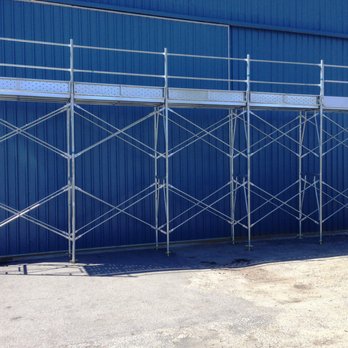
The international construction industry continues to expand as countries invest in residential developments, commercial buildings, industrial facilities, and infrastructure projects. Alongside this growth, demand for reliable construction equipment has increased, creating new opportunities for manufacturers, distributors, and suppliers. Temporary access structures are an important part of this market because they support a wide range of construction and maintenance activities.
The growth of Global Scaffold Sales reflects changing construction requirements, international trade patterns, and technological developments in equipment manufacturing. As contractors seek safer, more adaptable, and cost-effective solutions, the global market is evolving to meet different regional and industrial demands.
Understanding the International Scaffolding Market
Scaffolding is widely used in construction because it provides temporary access and working platforms at elevated positions. Its applications range from small residential renovations to large-scale infrastructure and industrial maintenance projects.
The international market includes manufacturers, equipment distributors, rental companies, contractors, and construction service providers. Each participant contributes to the movement of products from manufacturing facilities to construction sites.
Demand varies between regions depending on construction activity, economic development, safety regulations, and investment in infrastructure.
Developing economies often require equipment for expanding urban areas and public infrastructure, while established markets generate demand through renovation, industrial maintenance, and commercial redevelopment.
Key Factors Driving Global Scaffold Sales
Several economic and industrial developments influence demand for scaffolding equipment across international markets.
1. Growth in Construction and Infrastructure Projects
Urbanization and population growth continue to create demand for housing, transportation networks, commercial facilities, and public infrastructure.
Large construction projects require dependable access equipment for activities such as concrete work, structural installation, exterior finishing, and maintenance.
As project activity increases, contractors often require larger equipment inventories and more adaptable system configurations.
2. Expansion of Industrial Development
Industrial facilities, manufacturing plants, energy infrastructure, and processing facilities frequently require temporary access for installation and maintenance.
These environments often involve complicated structures and demanding working conditions. Modular systems such as ringlock and cuplock scaffolding can provide useful configuration options when supported by appropriate engineering.
3. Growing Focus on Workplace Safety
Construction safety has become an important consideration for contractors and equipment purchasers worldwide.
Many markets have established requirements covering platform stability, load capacity, fall protection, inspections, and worker training.
These requirements influence purchasing decisions because contractors increasingly evaluate equipment quality, technical documentation, and compliance with applicable standards.
4. Increasing Demand for Modular Equipment
Modular scaffolding systems are designed to accommodate different structural layouts through standardized components.
Their flexibility makes them suitable for projects involving irregular building shapes, changing platform heights, and specialized access requirements.
This adaptability contributes to their appeal across residential, commercial, industrial, and infrastructure applications.
How International Trade Influences the Scaffolding Industry
International trade plays an important role in connecting manufacturers with construction markets worldwide. Equipment can be manufactured in one country and distributed to contractors in several different regions.
Export opportunities allow manufacturers to reach customers beyond their domestic markets. At the same time, international buyers gain access to a wider range of materials, designs, and equipment configurations.
However, cross-border trade also introduces several considerations.
Product Standards and Certifications
Different countries may follow different technical standards and safety requirements. Manufacturers and exporters must understand the regulations applicable to their target markets.
Product documentation, testing information, manufacturing specifications, and quality certifications can help buyers evaluate whether equipment is suitable for local applications.
Shipping and Logistics
Scaffolding components can be bulky and heavy, making transportation an important part of international purchasing decisions.
Packaging methods, container capacity, shipping schedules, customs procedures, and delivery arrangements all influence the final landed cost.
Efficient logistics planning can help reduce delays and improve inventory management.
Currency and Market Conditions
Exchange-rate movements, import duties, transportation costs, and regional economic conditions can affect international equipment prices.
Importers should consider these factors when preparing procurement budgets and negotiating long-term supply agreements.
The Role of Manufacturing Innovation in Market Growth
Manufacturing developments are changing how scaffolding products are designed and produced. Modern production facilities increasingly use advanced machinery, controlled welding processes, and standardized quality checks.
These improvements can contribute to more consistent dimensions, reliable connections, and better product durability.
Improved Material Selection
Steel and aluminum remain important materials in the scaffolding industry. Steel is frequently selected for applications requiring substantial structural strength, while aluminum offers advantages in handling and transportation because of its lower weight.
Manufacturers continue to evaluate material properties and protective treatments to improve equipment performance under different environmental conditions.
Advanced Connection Designs
Modular connection mechanisms have helped expand the range of available scaffolding configurations.
Systems such as ringlock and cuplock allow components to connect through standardized arrangements, supporting installation across different project types.
Digital Manufacturing and Quality Control
Digital production systems can improve manufacturing consistency and help monitor production processes.
Quality-control procedures may include dimensional checks, weld inspections, material verification, and testing of relevant components.
These processes are important for maintaining product reliability and meeting customer expectations.
Regional Trends in the Global Scaffolding Market
Demand for construction equipment differs across geographical markets because each region has its own development priorities and industrial conditions.
Asia-Pacific
The Asia-Pacific region is an important construction market because of its large population, urban development, manufacturing activity, and infrastructure investment.
Residential construction, transportation projects, industrial facilities, and commercial developments create demand for different scaffolding configurations.
Manufacturing capacity in several Asian countries also contributes to international equipment supply.
Europe
European markets have established construction industries and detailed workplace safety requirements.
Demand comes from building renovation, infrastructure maintenance, industrial applications, and commercial development. Equipment quality, durability, and regulatory compliance are important purchasing considerations.
North America
Construction activity across North America includes residential development, commercial projects, infrastructure improvements, and industrial maintenance.
Contractors often evaluate equipment based on operational efficiency, safety requirements, compatibility, and long-term ownership costs.
Middle East
Large infrastructure developments, commercial construction, energy projects, and industrial expansion contribute to equipment demand across the Middle East.
Environmental conditions, including high temperatures and dust exposure, make material selection and equipment maintenance particularly important.
Africa
Urban development, transportation infrastructure, housing projects, and industrial investment are creating opportunities for construction equipment suppliers across several African markets.
Availability, transportation costs, technical support, and product durability can influence purchasing decisions.
How Buyers Evaluate International Scaffolding Suppliers
Choosing a reliable supplier is an important part of international procurement. A competitive price may attract attention, but buyers should also evaluate product specifications, manufacturing quality, and after-sales support.
Important considerations include:
- Manufacturing experience: Review the supplier’s production capabilities and experience with relevant equipment categories.
- Product range: Determine whether the supplier offers compatible components for different construction applications.
- Quality assurance: Examine inspection procedures, material specifications, and relevant certifications.
- Technical documentation: Request information about dimensions, load ratings, installation requirements, and product compatibility.
- Export experience: Evaluate packaging practices, shipping arrangements, and familiarity with international trade procedures.
- Customer support: Consider the availability of technical assistance, replacement components, and communication throughout the purchasing process.
A structured supplier evaluation can help importers reduce procurement risks and establish more dependable supply relationships.
The Growing Importance of Equipment Rental and Reuse
Not every construction company needs to purchase scaffolding equipment outright. Rental services provide an alternative for contractors managing temporary projects or changing equipment requirements.
Renting can reduce initial capital investment and eliminate some storage responsibilities. It can also provide access to different system configurations without requiring permanent ownership.
At the same time, reusable equipment supports more efficient resource management. Proper inspection, cleaning, maintenance, and storage can extend component service life and reduce unnecessary replacement.
The rental market therefore plays an important role in the broader international equipment industry.
Challenges Affecting the International Scaffolding Trade
Despite growing opportunities, manufacturers and distributors face several challenges when operating across international markets.
Fluctuating Raw Material Prices
Changes in steel, aluminum, energy, and manufacturing costs can affect production expenses and product pricing.
Manufacturers must manage these fluctuations while maintaining consistent quality and competitive pricing.
Transportation and Supply Chain Disruptions
Shipping delays, port congestion, customs procedures, and changes in freight costs can affect delivery schedules.
Businesses that maintain organized inventory and work with dependable logistics partners may be better prepared to manage these challenges.
Different Regulatory Requirements
Products suitable for one market may require additional testing, documentation, or modifications before being accepted in another.
Understanding local regulations is therefore essential for exporters and international buyers.
Competition and Product Differentiation
The presence of numerous manufacturers and distributors creates competitive pressure.
Businesses increasingly need to demonstrate product quality, technical knowledge, consistent delivery, and dependable customer support rather than competing on price alone.
Future Opportunities in the Global Scaffolding Industry
The international scaffolding market is likely to continue evolving alongside construction technology and infrastructure development.
Several developments may influence future demand:
- Greater adoption of modular equipment for complex construction projects.
- Increased use of digital tools for equipment planning and inventory management.
- Growing attention to reusable components and sustainable manufacturing.
- Continued demand for maintenance and renovation equipment in established markets.
- Improvements in manufacturing automation and quality-control processes.
- Greater emphasis on product documentation and workplace safety compliance.
Manufacturers and distributors that understand regional requirements and invest in reliable production and supply processes may be better positioned to serve changing customer needs.
Conclusion
Global scaffold sales are influenced by construction growth, infrastructure investment, international trade, manufacturing innovation, and changing workplace safety expectations. As different regions develop their construction industries, demand continues to create opportunities for manufacturers, exporters, distributors, and rental providers.
Success in this competitive market depends on more than product availability. Consistent manufacturing quality, regulatory awareness, efficient logistics, and dependable supplier relationships are all essential.
By understanding these factors, businesses can make more informed purchasing and distribution decisions while supporting the evolving needs of the international construction equipment market.