
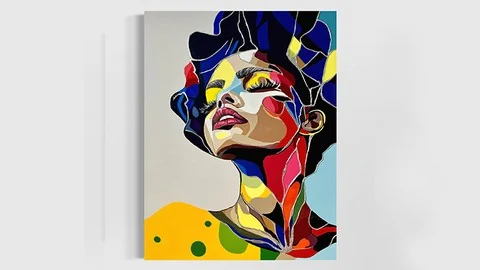
Artistic styles continue to evolve as painters experiment with new techniques, materials, and sources of inspiration. Among the most recognizable contemporary influences is pop art, an artistic movement celebrated for its bold colors, familiar imagery, and unconventional interpretations of everyday subjects. When artists combine this visual approach with traditional oil painting, they create compositions that bring together modern creativity and the richness of classical artistic techniques.
The growing interest in Pop Oil Painting highlights how versatile oil paints can be when used to explore contemporary themes. Artists rely on vibrant pigments, layered applications, expressive brushwork, and carefully planned contrasts to develop visually engaging compositions. These techniques allow familiar subjects to take on new meanings while preserving the depth and individuality associated with traditional painting.
The Relationship Between Oil Painting and Pop Art
Pop art emerged during the 1950s and 1960s, challenging conventional artistic subjects by incorporating elements of popular culture. Advertisements, comic books, celebrity portraits, product packaging, and mass media became important sources of inspiration.
Oil painting, meanwhile, has been valued for centuries because of its flexibility, color richness, and ability to produce detailed surfaces. Combining this traditional medium with pop art creates opportunities to reinterpret familiar imagery through expressive techniques.
Artists can maintain the graphic simplicity associated with pop art while introducing additional depth through pigment layering, brushwork, and texture.
Using Vibrant Colors to Create Visual Impact
Color is one of the most important tools in pop-inspired oil painting. Artists frequently move beyond realistic color representation to create compositions that communicate energy and emotion.
Experimenting With Bold Color Palettes
Bright shades such as red, yellow, blue, green, and orange are commonly used to establish strong visual relationships. Artists may combine complementary colors or introduce unexpected tones to make individual subjects more noticeable.
These choices help create a recognizable visual identity while allowing painters to express their personal artistic perspectives.
Understanding Color Contrast
Contrast helps separate different elements within a composition. Placing bright colors against darker backgrounds, for example, can emphasize a central subject and guide the viewer’s attention.
Artists also experiment with differences in saturation and brightness to establish visual hierarchy without making the painting feel overcrowded.
Communicating Emotions Through Color
Colors can influence how viewers respond to artwork. Warm shades may suggest excitement and enthusiasm, while cooler tones can create a calmer atmosphere.
By combining different color groups, artists can establish moods that support the subject and overall message of the composition.
How Oil Paints Enhance Artistic Expression
Oil paints provide several characteristics that make them suitable for expressive pop art compositions.
Rich Pigmentation
Oil paints contain pigments suspended in drying oils, producing colors that can appear deep and vibrant. Their strong pigmentation allows artists to create bold surfaces and develop subtle tonal variations.
This quality is particularly useful when working with compositions that depend on distinctive color combinations.
Slow Drying Time
Compared with many other painting mediums, oil paints generally dry slowly. This gives artists more time to blend colors, adjust details, and refine different areas of a composition.
The extended working time can be especially helpful when creating smooth transitions or developing complex color relationships.
Flexibility in Application
Oil paints can be applied in different consistencies, from relatively thin layers to thick, textured strokes. Artists can use brushes, palette knives, and other painting tools to achieve different effects.
This flexibility allows a single artwork to combine polished graphic elements with expressive surface details.
Techniques Artists Use to Create Expressive Pop Art
The visual appeal of pop-inspired oil painting depends on more than color selection. Different application methods help artists establish structure, movement, and individuality.
Color Blocking
Color blocking involves applying separate areas of solid color to define shapes and create visual clarity.
Artists often use this approach when painting portraits, consumer products, or simplified illustrations. It creates a graphic appearance that complements the recognizable style of pop art.
Layering and Glazing
Layering allows painters to build up colors and details gradually. Each additional application can contribute to the depth and complexity of the composition.
Glazing involves applying thin, transparent layers over dried paint. This technique can modify underlying colors and create subtle visual richness.
Expressive Brushwork
Brushstrokes can influence the mood and personality of a painting. Controlled strokes produce clean surfaces, while more spontaneous applications introduce movement and energy.
Artists may intentionally leave visible brush marks to emphasize the handmade quality of their work.
Impasto Texture
Impasto is a technique involving the application of relatively thick paint layers. The raised surface creates physical texture and can make certain parts of a composition more prominent.
It offers an interesting contrast when used alongside the flatter, graphic areas often associated with pop art.
Transforming Everyday Subjects Into Artistic Statements
One of the defining characteristics of pop art is its use of familiar subjects. Rather than concentrating exclusively on traditional artistic themes, painters often explore objects and images from everyday experiences.
Common sources of inspiration include:
- Celebrity portraits and entertainment culture.
- Food products and commercial packaging.
- Fashion accessories and lifestyle imagery.
- Comic-inspired illustrations and graphic symbols.
- Household objects and consumer electronics.
- Advertising imagery and recognizable logos.
Artists reinterpret these subjects through unusual color choices, exaggerated proportions, repeated patterns, and unexpected backgrounds.
An ordinary object can become visually compelling when presented in a way that challenges familiar expectations. This ability to transform everyday imagery is an important part of pop art’s continuing influence.
The Importance of Composition and Visual Balance
Even highly colorful artwork requires a clear structure. Composition determines how different elements relate to one another and how viewers explore the painting.
Artists often use focal points to establish a central area of interest. Supporting shapes, background patterns, and contrasting colors then help direct attention toward that subject.
Repetition is another useful technique. Repeated objects or patterns can establish rhythm, while variations in size and placement prevent the composition from becoming predictable.
Negative space also plays an important role. Leaving some areas relatively simple allows more detailed sections to stand out and improves the overall visual balance.
The Influence of Contemporary Culture on Pop Art Techniques
Pop art continues to evolve because artists regularly draw inspiration from changing cultural environments.
Earlier works frequently explored television, print advertising, celebrity culture, and consumerism. Contemporary artists increasingly incorporate references to social media, digital technology, modern fashion, and online entertainment.
These developments provide fresh opportunities to experiment with traditional painting methods. Artists can use oil paints to reinterpret digital imagery while introducing physical texture and individual brushwork.
As a result, pop-inspired oil artwork can reflect both the visual language of modern culture and the lasting qualities of traditional fine art.
Displaying Expressive Pop Art in Modern Interiors
The vibrant appearance of pop-inspired oil paintings makes them suitable for a variety of contemporary spaces.
In living rooms, a large composition can serve as a focal point against neutral walls. In offices and creative studios, colorful artwork can introduce personality and visual energy.
Smaller paintings may also work well in bedrooms, hallways, and personal collections. When selecting artwork, consider the dominant colors, dimensions, lighting conditions, and surrounding decorative elements.
A thoughtful arrangement allows expressive artwork to complement the interior without competing with every other feature in the room.
Why Traditional Oil Techniques Remain Relevant
Digital illustration and modern printing technologies have expanded the possibilities of pop art, but traditional oil painting continues to offer a distinct artistic experience.
The physical application of paint, visible brushwork, and variations in surface texture give each original composition individual characteristics.
Artists can also experiment with techniques that are difficult to reproduce through digital processes alone. This relationship between traditional materials and contemporary imagery demonstrates that artistic innovation does not always require abandoning established methods.
Conclusion
Artists use oil paints to create vibrant and expressive pop art by combining rich pigments, bold color relationships, distinctive textures, and creative interpretations of familiar subjects. Techniques such as color blocking, glazing, layering, and impasto help transform simple imagery into visually engaging compositions.
The combination of traditional craftsmanship and contemporary cultural influences gives pop-inspired oil painting its distinctive identity. As artists continue exploring new subjects and experimenting with established techniques, this artistic approach remains an important example of how creativity can connect the past with modern visual expression.