

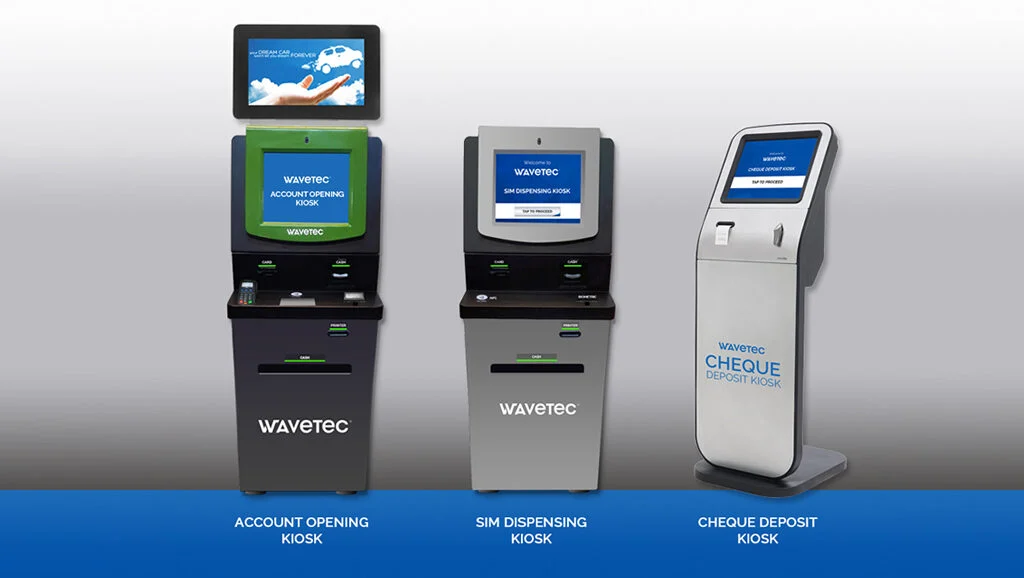
Self-service kiosks have transformed the way businesses interact with customers, offering speed, convenience, and efficiency across industries such as retail, hospitality, healthcare, and transportation. As consumer expectations evolve and technology advances, self-service kiosk manufacturers must adapt to global trends that shape design, functionality, and deployment strategies. Understanding these trends helps businesses anticipate innovations, adopt modern solutions, and remain competitive in a fast-changing market.
Rise of Contactless and Mobile Payments
One of the most significant trends influencing self-service kiosk design is the growing demand for contactless and mobile payment options. Consumers increasingly prefer tap-to-pay cards, mobile wallets, and QR code payments for convenience and hygiene. Self-service kiosks are being equipped with NFC-enabled readers, secure payment gateways, and mobile wallet integration to accommodate this shift. A reputable Self Service Kiosk Manufacturer ensures that systems support multiple payment methods, providing seamless and secure transactions while enhancing the overall customer experience. This trend is particularly important in sectors like quick-service restaurants and public transportation, where speed and efficiency are critical.
Integration of Artificial Intelligence and Analytics
Artificial intelligence (AI) and advanced data analytics are influencing how kiosks are designed and deployed. Kiosks are no longer just transactional devices; they are becoming intelligent systems capable of analyzing customer behavior, personalizing interactions, and optimizing operational efficiency. AI-powered kiosks can recommend products, offer targeted promotions, and predict inventory requirements. These capabilities help businesses improve sales performance and enhance customer satisfaction. Manufacturers are increasingly developing kiosks with built-in AI and cloud-based analytics, allowing businesses to gain actionable insights from real-time data.
Expansion of Multi-Functional Kiosks
Global trends show a move toward multi-functional kiosks that serve diverse needs in a single unit. Modern kiosks combine services such as ticketing, ordering, bill payment, customer feedback collection, and information provision. Multi-functional kiosks reduce the need for multiple devices, save space, and streamline operations. For example, airports and train stations deploy kiosks that handle ticket purchases, check-ins, and baggage tagging simultaneously. Self-service kiosk manufacturers are designing modular systems to accommodate these multifunctional requirements, ensuring flexibility and scalability for future upgrades.
Emphasis on User Experience and Accessibility
User experience (UX) is a critical trend shaping kiosk design worldwide. Consumers expect intuitive interfaces, quick response times, and easy navigation. Touchscreens are being optimized for sensitivity and clarity, while kiosks include features such as voice guidance, adjustable screen height, and accessibility options for people with disabilities. Manufacturers are adopting human-centered design principles to ensure that kiosks are inclusive, engaging, and easy to use. Improving UX increases customer satisfaction, reduces errors, and enhances operational efficiency across multiple industries.
Sustainability and Eco-Friendly Design
Sustainability is becoming a global concern that directly affects kiosk manufacturing. Self-service kiosks are now designed with eco-friendly materials, energy-efficient components, and modular structures to minimize electronic waste. Manufacturers focus on lifecycle management, allowing for repairs and upgrades instead of full replacements. Regulatory compliance with environmental standards such as RoHS and WEEE is increasingly prioritized, ensuring that kiosks meet global sustainability benchmarks. Adopting sustainable practices not only reduces environmental impact but also aligns with the growing consumer preference for responsible and ethical business practices.
Remote Management and Cloud Connectivity
The trend toward cloud-based management and remote monitoring is transforming kiosk operations. Modern self-service kiosks are connected to centralized platforms that allow businesses to monitor performance, update software, and manage multiple locations from a single interface. Cloud connectivity also enables real-time data synchronization, remote troubleshooting, and predictive maintenance. This capability reduces downtime, improves service reliability, and allows businesses to scale operations efficiently. Manufacturers are increasingly integrating these technologies into kiosk designs to support seamless and scalable deployments.
Adoption of Advanced Security Measures
With kiosks handling sensitive financial and personal data, security has become a key concern influencing manufacturing trends. Kiosks are equipped with encryption, secure payment protocols, anti-tampering mechanisms, and biometric authentication to protect users and businesses from fraud. Compliance with global standards such as PCI DSS ensures secure transactions and data protection. Security considerations are now integrated into both hardware and software design, reflecting the critical role of cybersecurity in global kiosk deployment strategies.
Global Expansion and Localization
As self-service kiosks expand globally, manufacturers are focusing on localization and adaptability. Kiosks must support multiple languages, regional payment methods, and local regulatory requirements. This trend ensures that businesses can deploy kiosks internationally without compromising functionality or compliance. Customizable software and flexible hardware designs allow kiosks to adapt to regional needs, supporting global expansion while maintaining consistent performance.
Conclusion
Global trends are shaping the evolution of self-service kiosks, influencing everything from payment integration and AI-driven analytics to sustainability, security, and user experience. Self-service kiosk manufacturers must stay ahead of these trends to deliver reliable, versatile, and user-friendly solutions. By embracing innovations such as multi-functional systems, cloud connectivity, eco-friendly materials, and advanced security measures, manufacturers provide businesses with kiosks that enhance customer satisfaction, operational efficiency, and competitive advantage. Understanding these global trends enables businesses to adopt modern kiosks that meet both current demands and future expectations.