

Introduction
Medical devices are rapidly evolving, driven by advancements in technology, patient care needs, and regulatory requirements. A critical component of these devices is the connector, which ensures reliable electrical and data transmission between different parts of a system. Medical electrical connectors are essential for the safe and efficient operation of diagnostic equipment, patient monitoring systems, and therapeutic devices. As healthcare technology advances, connector design is also evolving to meet new challenges, including miniaturization, higher data speeds, and increased durability. Understanding future trends in connector design helps manufacturers and healthcare providers prepare for next-generation medical equipment.
Miniaturization and High-Density Designs
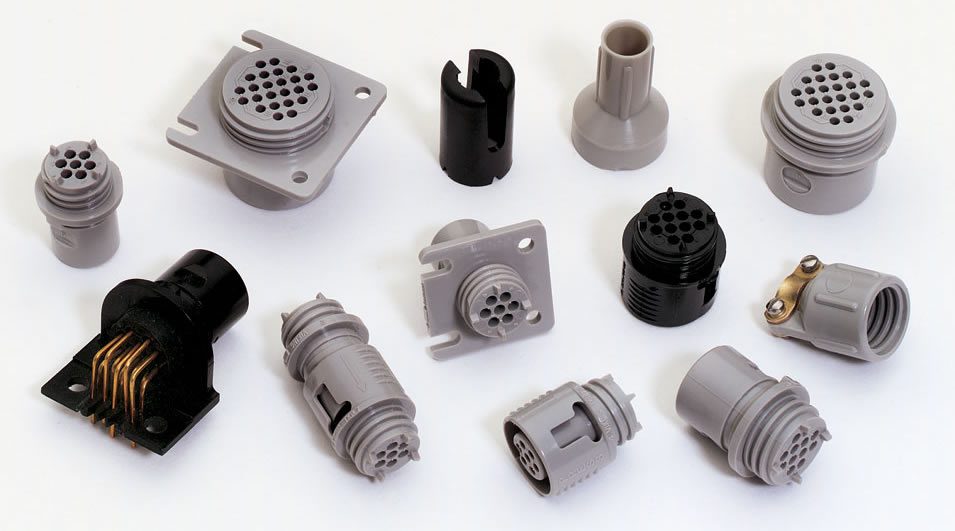
One of the most significant trends in medical electrical connector design is miniaturization. Modern medical devices are becoming smaller, portable, and more compact, requiring connectors that can fit into tighter spaces without compromising performance. High-density connectors allow more connections within a limited footprint, enabling advanced functionality in compact devices such as handheld ultrasound systems, wearable monitors, and portable diagnostic instruments. These connectors also improve the efficiency of data and power transmission while maintaining signal integrity. For healthcare providers seeking high-performance solutions for evolving devices, medical electrical connectors are being developed with advanced designs to support miniaturization, high-density layouts, and enhanced durability.
Increased Data Transmission Capabilities
As medical devices become more sophisticated, the amount of data they generate and transmit is increasing exponentially. Future connectors must support higher bandwidths and faster data rates to accommodate high-resolution imaging, real-time monitoring, and telemedicine applications. Advanced materials, improved contact designs, and shielding techniques are being incorporated into connector design to reduce signal interference, maintain accuracy, and ensure reliable communication between devices. High-speed connectors are particularly critical in imaging systems, patient monitoring networks, and robotic surgical platforms, where data integrity directly impacts patient care.
Enhanced Durability and Environmental Resistance
Durability and reliability are ongoing priorities in connector design. Medical connectors must withstand frequent sterilization, mechanical stress, vibration, and exposure to moisture or chemicals. Future trends focus on materials that enhance longevity, such as advanced polymers, corrosion-resistant alloys, and innovative plating methods. Connectors are also being engineered to handle increased mating cycles without performance degradation. These improvements reduce maintenance requirements, prevent device downtime, and enhance safety in demanding clinical environments.
Integration of Smart and Intelligent Features
The next generation of medical electrical connectors is expected to include “smart” features that provide real-time feedback on connection status, wear, and performance. Embedded sensors and diagnostic capabilities can detect loose connections, signal loss, or potential failures before they impact device operation. Intelligent connectors improve reliability, reduce downtime, and allow predictive maintenance, which is especially valuable in critical care and surgical applications. These smart connectors align with the broader trend of connected healthcare and the Internet of Medical Things (IoMT).
Compliance with Evolving Standards
As medical technology advances, regulatory standards are also evolving to ensure safety, biocompatibility, and performance. Future connector designs will need to comply with updated standards such as IEC 60601, ISO 13485, and emerging cybersecurity regulations for connected devices. Design improvements will focus not only on electrical and mechanical performance but also on safe data transmission, traceability, and biocompatibility. Manufacturers will need to invest in research and testing to meet these evolving regulatory requirements.
Focus on Ergonomics and Usability
In addition to technical advancements, connector design is increasingly focused on ergonomics and usability. Connectors must be easy to handle, even in fast-paced clinical settings where speed and precision are essential. Color-coding, tactile feedback, secure locking mechanisms, and modular designs enhance usability while reducing the risk of incorrect connections. Future designs will continue to balance technical performance with intuitive interfaces that support medical staff in high-pressure environments.
Conclusion
The future of medical electrical connector design is being shaped by trends in miniaturization, high-speed data transmission, durability, smart features, and regulatory compliance. Connectors are becoming more compact, intelligent, and capable of supporting increasingly sophisticated medical devices while maintaining safety, reliability, and ease of use. By adopting advanced materials, innovative designs, and smart technology, future connectors will play a critical role in improving device performance, enhancing patient care, and supporting the next generation of medical innovation. Investing in high-quality medical electrical connectors today ensures that healthcare systems are ready to meet the demands of tomorrow’s medical technology.