

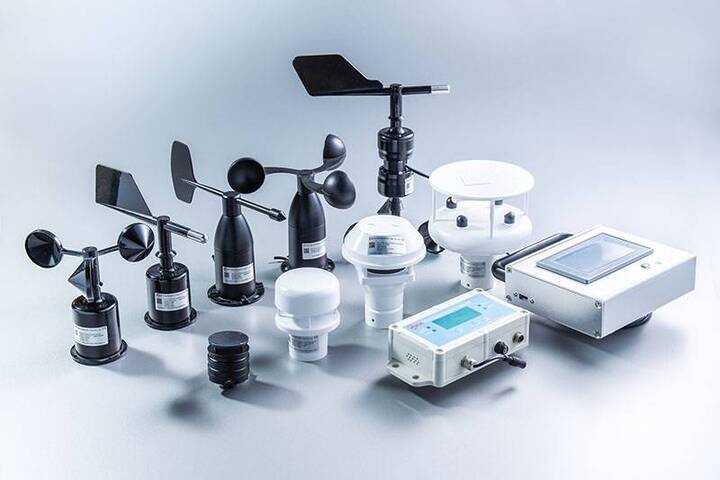
In today’s data-driven world, reliable and efficient sensors are critical for monitoring environmental conditions, industrial operations, and smart systems. Accurate sensors ensure that organizations can make informed decisions, optimize processes, and maintain safety standards. Among the range of modern sensing technologies, Rika sensors stand out for their combination of precision, durability, and adaptability, making them a preferred choice across multiple industries.
One of the key factors that sets Rika Sensor apart is its ability to deliver highly accurate readings across various environmental parameters. From temperature and humidity to air quality and wind speed, these sensors are engineered to provide consistent and dependable data. This reliability is particularly valuable in applications where precision is critical, such as climate monitoring, agriculture, and industrial automation. By integrating advanced technology and robust design, Rika sensors ensure that organizations can rely on their data to make real-time decisions.
Advanced Measurement Accuracy
The accuracy of a sensor is fundamental to its effectiveness. Rika sensors utilize advanced calibration methods and high-quality components to minimize measurement errors. This ensures that the readings are precise even under challenging conditions. For instance, in weather monitoring, small deviations in temperature or humidity can significantly impact forecasts. Rika sensors address this challenge by providing consistent performance, making them ideal for both scientific research and practical applications.
Accurate measurement is not just important for data integrity; it also enables automation systems to function efficiently. Industrial equipment and smart monitoring platforms rely on precise inputs to optimize processes, reduce energy consumption, and prevent equipment damage. Rika sensors’ ability to maintain accuracy over time enhances operational efficiency and reduces the likelihood of errors.
Real-Time Data Collection
Modern monitoring systems demand real-time data to respond quickly to changes in the environment or operational conditions. Rika sensors are designed to provide continuous data collection, ensuring that information is updated without delay. This capability is crucial for applications such as flood monitoring, air quality management, and industrial process control.
By providing instant feedback, Rika sensors enable organizations to take timely actions that prevent damage, improve safety, and enhance efficiency. Real-time monitoring also allows for better predictive analysis, as trends and anomalies can be identified as they occur, helping to inform decision-making and long-term planning.
Durability and Environmental Resistance
Sensors often operate in harsh environments, exposed to extreme temperatures, heavy rainfall, dust, and mechanical stress. Durability is essential to ensure uninterrupted operation and accurate data collection. Rika sensors are engineered with robust materials and protective housings that resist environmental stressors, maintaining performance over extended periods.
This resilience reduces maintenance requirements and ensures that data remains reliable even under challenging conditions. In industries such as agriculture or environmental monitoring, where sensors may be deployed in remote or exposed locations, the durability of Rika sensors is a significant advantage.
Versatility Across Applications
Rika sensors are versatile, capable of monitoring a wide range of environmental and operational parameters. They can be used in weather stations, smart irrigation systems, industrial facilities, and urban monitoring networks. This adaptability allows a single sensor model to support multiple applications, reducing costs and simplifying deployment.
Versatility also contributes to efficiency, as users can rely on a consistent platform across different projects. Whether it is monitoring temperature fluctuations, measuring wind speeds, or tracking air quality, Rika sensors provide accurate and reliable data across diverse applications.
Seamless Integration with Technology
Efficient sensors must integrate smoothly with modern monitoring systems, including cloud-based platforms, IoT networks, and automated control systems. Rika sensors support multiple communication protocols, making them compatible with a wide variety of digital systems. This ensures that data can be transmitted securely and efficiently to analysis platforms, enabling remote monitoring and advanced analytics.
Seamless integration reduces setup complexity and allows organizations to expand their monitoring capabilities as needed. It also ensures that sensor data remains consistent and actionable across different systems and applications.
Energy Efficiency and Low Maintenance
Another feature that makes Rika sensors efficient is their low energy consumption. Many models are designed to operate for extended periods with minimal power, making them ideal for remote or battery-operated installations. Additionally, their durable construction and high-quality components reduce the need for frequent maintenance or replacement, lowering operational costs.
By combining energy efficiency with minimal maintenance requirements, Rika sensors offer long-term reliability and cost-effectiveness, enhancing their value in both large-scale and small-scale monitoring projects.
Conclusion
Rika sensors combine accuracy, real-time data capabilities, durability, versatility, seamless integration, and energy efficiency, making them highly reliable and efficient. These features enable them to perform consistently in a wide range of applications, from climate monitoring and agriculture to industrial operations and smart cities.
Organizations that adopt Rika sensors benefit from precise measurements, reduced operational risks, and improved decision-making capabilities. As the demand for advanced monitoring solutions continues to grow, Rika sensors provide the dependable performance needed to support both immediate operational needs and long-term strategic planning.