

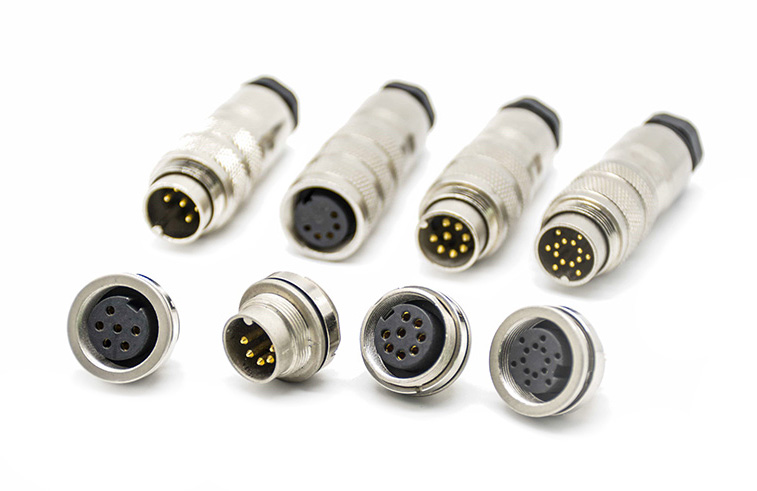
M16 connectors are widely used in industrial automation, robotics, and control systems where reliable electrical and mechanical performance is essential. These connectors, with their robust design and standardized M16 threaded coupling, are suitable for applications that require high durability, stable signal transmission, and environmental resistance. Understanding the electrical and mechanical characteristics of M16 connectors is crucial for engineers and technicians to ensure compatibility, safety, and long-term system reliability.
M16 connectors are designed to handle multiple electrical signals, power delivery, and data communication in a compact, circular format. They combine robust mechanical construction with precise electrical contact design, making them ideal for demanding industrial environments. A properly selected M16 Connector ensures stable performance under vibration, temperature fluctuations, and exposure to contaminants, which are common challenges in industrial applications.
Electrical Characteristics of M16 Connectors
The electrical performance of M16 connectors is determined by several key characteristics, including voltage rating, current rating, contact resistance, and insulation properties. These factors ensure that the connector can reliably transmit signals and power without overheating, signal loss, or electrical failure.
Voltage and Current Ratings
M16 connectors are designed to handle low to medium voltage and current levels, depending on the pin configuration and application requirements. Typical voltage ratings range from 30 V to 250 V AC/DC, while current ratings vary between 2 A and 10 A per contact. Choosing the appropriate voltage and current rating is essential to prevent electrical overstress and ensure safe operation.
Contact Resistance
Contact resistance refers to the electrical resistance at the interface between the connector contacts. Low contact resistance is critical to maintain efficient signal and power transmission. M16 connectors are manufactured with precision-machined contacts, often plated with metals like gold or nickel, to reduce resistance and prevent corrosion.
Insulation and Dielectric Strength
Insulation resistance and dielectric strength determine the connector’s ability to prevent electrical leakage between contacts and the connector body. M16 connectors are designed with high-quality insulating materials that provide reliable separation between contacts and the metallic housing, ensuring safety and preventing short circuits.
Mechanical Characteristics of M16 Connectors
The mechanical design of M16 connectors contributes to their robustness and long-term durability. Key mechanical characteristics include thread design, coupling mechanism, mating cycles, and environmental protection.
Threaded Coupling
M16 connectors feature an M16 x 1.5 threaded coupling, which provides a secure and vibration-resistant connection. The threaded design ensures consistent engagement and maintains proper contact pressure, which is critical for stable electrical performance. Threaded coupling also prevents accidental disconnection in high-vibration or mobile applications.
Mating Cycles
M16 connectors are rated for repeated mating and unmating cycles, typically ranging from 500 to 1000 cycles depending on the manufacturer and material. This durability allows them to withstand regular maintenance or device replacement without degrading performance.
Environmental Protection
Mechanical design elements, such as O-rings and sealing gaskets, provide environmental protection for M16 connectors. Properly mated connectors can achieve IP65, IP67, or higher ingress protection ratings, safeguarding against dust, water, and other contaminants. The combination of threaded coupling and sealing ensures that the electrical contacts remain protected even in harsh industrial environments.
Material and Housing
The housing of M16 connectors is typically made from metal alloys, such as brass or stainless steel, or high-performance industrial plastics. Metal housings offer excellent mechanical strength, impact resistance, and electromagnetic shielding, while plastic housings provide corrosion resistance, reduced weight, and lower cost. The choice of material depends on the application requirements, environmental conditions, and mechanical stress factors.
Thermal Performance
Thermal stability is a critical consideration for M16 connectors, especially in applications with high current or fluctuating temperatures. The materials used in contacts, insulation, and housing are selected to withstand temperature ranges from approximately -40°C to 125°C without deformation, loss of electrical performance, or degradation of sealing elements.
Vibration and Shock Resistance
Industrial environments often involve vibration and mechanical shock that can compromise connector performance. M16 connectors are designed to withstand these stresses, thanks to their threaded coupling and robust housing. Compliance with IEC or ISO standards for vibration and shock ensures that the connectors maintain electrical integrity under challenging conditions.
Pin Configurations and Coding
M16 connectors support a range of pin configurations, typically from 3 to 12 pins, allowing flexible use in signal, data, and power applications. Standardized coding ensures that connectors cannot be accidentally mismated, which reduces the risk of equipment damage and ensures proper operation across multiple devices.
Conclusion
The electrical and mechanical characteristics of M16 connectors make them a reliable choice for industrial automation, robotics, and control systems. With high current and voltage ratings, low contact resistance, robust threaded coupling, and environmental protection, M16 connectors provide stable and durable performance in demanding applications. By understanding these characteristics, engineers can select the right connector for their systems, ensuring long-term reliability, safety, and efficiency in industrial environments.