
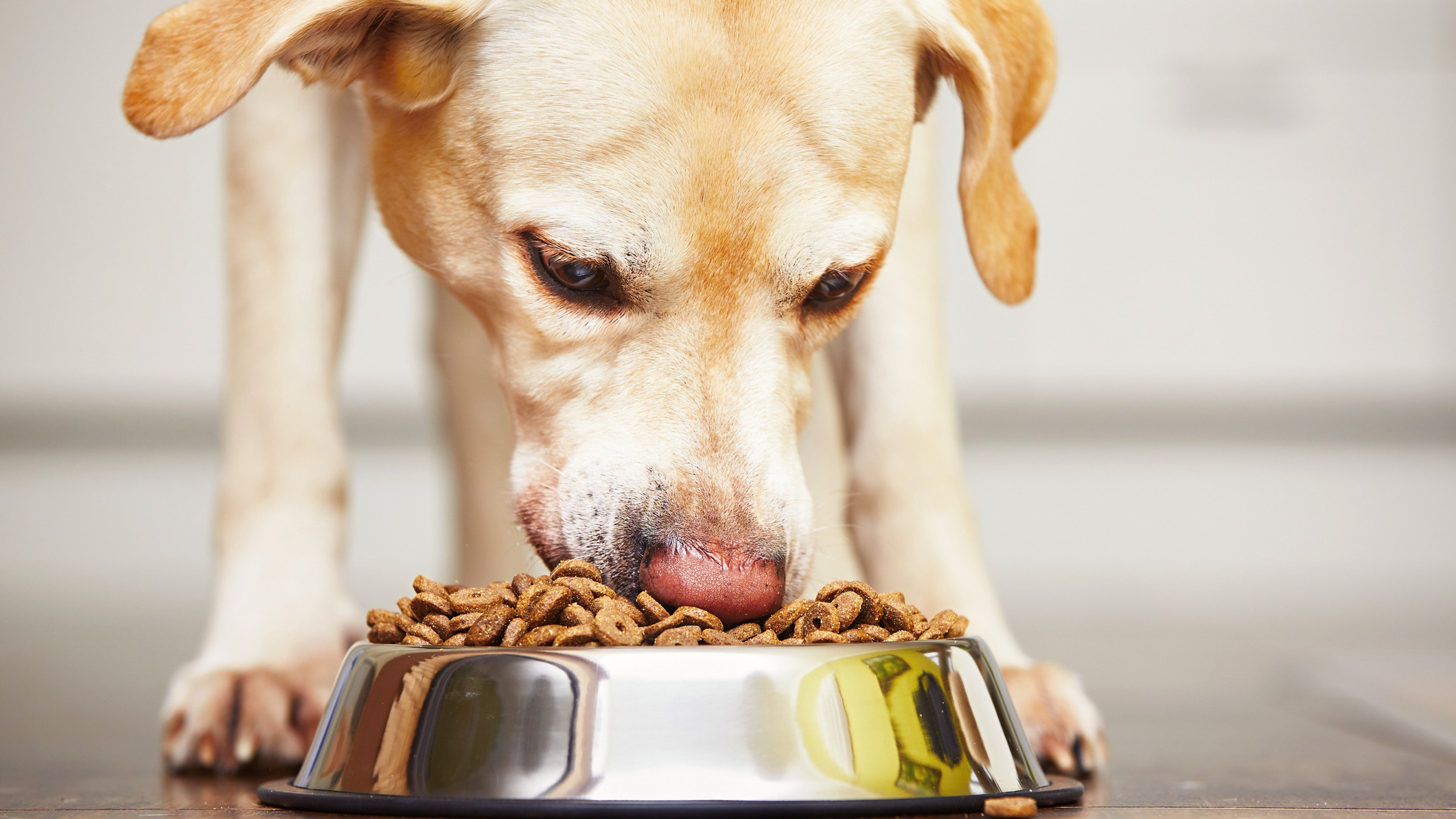
The pet food industry continues to evolve as dog owners look for convenient products that offer recognizable ingredients, appealing flavors, and reliable nutritional value. Among the growing range of premium feeding options, freeze-dried dog food has attracted attention for its lightweight format, concentrated ingredients, and convenient storage. It is increasingly available through specialty pet stores, online retailers, and direct-to-consumer brands.
Understanding the nutritional characteristics and production methods behind Dog Freeze Dried Food can help pet owners make informed feeding decisions while giving retailers and manufacturers a clearer picture of this expanding category. Although freeze-drying offers several practical advantages, product quality ultimately depends on formulation, ingredient sourcing, food safety controls, and whether the finished food meets a dog’s nutritional requirements.
What Is Freeze-Dried Dog Food?
Freeze-dried dog food is produced by removing moisture from prepared ingredients through a process involving freezing, reduced pressure, and sublimation. During sublimation, frozen water changes directly into vapor without passing through the liquid stage.
This method removes much of the water while helping preserve the structure, flavor, and certain nutrients of the original ingredients. Depending on the recipe, freeze-dried dog food may contain meat, organs, vegetables, fruits, vitamins, minerals, and other nutritional components.
Products are commonly sold in several formats:
- Complete and balanced freeze-dried meals.
- Freeze-dried raw-style food.
- Meat-based meal toppers.
- Bite-sized treats and training rewards.
- Freeze-dried ingredient blends.
- Rehydratable food portions.
These categories are not nutritionally interchangeable. A complete meal is formulated to provide the required nutrients for a particular life stage, whereas a treat or topper is generally intended to supplement a regular diet.
How the Freeze-Drying Process Works
The manufacturing process has a significant influence on the quality, texture, and stability of the finished product.
1. Ingredient Selection
Production begins with selecting raw ingredients that meet defined quality and safety specifications. Meat varieties may include chicken, beef, turkey, lamb, duck, or fish. Some recipes also incorporate vegetables, fruits, and carefully measured nutritional supplements.
Ingredient traceability is important because raw material quality affects the composition and safety of the finished food.
2. Preparation and Formulation
Ingredients are inspected, cleaned where appropriate, trimmed, and prepared according to the recipe. They may be chopped, minced, blended, or shaped into portions.
For complete dog food formulas, manufacturers must carefully balance protein, fat, carbohydrates, vitamins, minerals, and other essential nutrients.
3. Freezing
The prepared mixture is frozen before drying. Freezing helps create the conditions needed for sublimation during the next production stage.
4. Primary Drying
The frozen ingredients are placed inside a vacuum drying system. Under reduced pressure, controlled heat allows ice to convert directly into vapor.
This stage removes most of the product’s frozen water while limiting exposure to high temperatures.
5. Secondary Drying
Additional moisture is removed to achieve the target residual moisture and water activity. These measurements are important for product stability and shelf-life management.
6. Inspection and Packaging
The finished food is checked against product specifications before packaging. Packaging materials should help protect the product from moisture, oxygen, physical damage, and contamination.
The final product is then labeled with relevant ingredient, nutritional, storage, and feeding information.
Nutritional Value of Freeze-Dried Dog Food
The nutritional value of freeze-dried dog food depends primarily on its ingredients and formulation. Freeze-drying can help retain certain nutrients, but it does not automatically make a product more nutritious than every cooked or conventionally processed alternative.
High-Quality Protein
Meat and fish ingredients can provide protein and essential amino acids that support muscle maintenance, tissue repair, and normal body functions.
Common protein sources include:
- Chicken and turkey.
- Beef and lamb.
- Duck.
- Salmon and other fish.
- Organ meats such as liver.
The nutritional quality of protein depends on its amino acid composition, digestibility, and overall contribution to the finished diet.
Essential Fatty Acids
Animal fats and selected fish ingredients provide fatty acids that support normal skin, coat, and cellular functions.
Some fish ingredients contain omega-3 fatty acids, including EPA and DHA. Their actual levels depend on the fish species, ingredient composition, processing conditions, and storage practices.
Vitamins and Minerals
A properly formulated freeze-dried meal may provide vitamins and minerals required for normal canine health.
Depending on the recipe, ingredients can contribute:
- B vitamins from meat and organ ingredients.
- Vitamin A from certain organ meats.
- Vitamin E from selected ingredients or supplementation.
- Calcium and phosphorus from appropriate mineral sources.
- Zinc, iron, and other trace minerals.
A complete food must provide nutrients in suitable amounts and proportions. Simply combining meat, organs, and vegetables does not guarantee nutritional completeness.
Convenient Nutrient Concentration
Removing moisture reduces product weight and concentrates nutrients per gram compared with the original wet ingredients. This is one reason freeze-dried food is often lightweight and easy to portion.
However, owners should not assume that a smaller-looking serving contains fewer calories. Feeding amounts should be based on the product’s calorie information and feeding instructions.
Potential Benefits of Freeze-Dried Dog Food
Freeze-dried products offer several practical features that appeal to pet owners.
1. Convenient Storage
Because much of the moisture has been removed, unopened freeze-dried products can often be stored without refrigeration when the manufacturer’s instructions permit it.
Their lightweight packaging can also make them convenient for households with limited storage space.
2. Easy Portioning
Many products are available as individual pieces, patties, nuggets, or crumbles. These formats make it easier to measure portions, prepare meals, and use small amounts as training rewards.
3. Recognizable Ingredients
Some freeze-dried formulas use clearly identified animal proteins and limited ingredient lists. This can help owners understand what a product contains.
Ingredient transparency is especially useful for dogs with known food sensitivities, although a limited ingredient list does not automatically make a product hypoallergenic.
4. Flexible Feeding Options
Depending on the product, freeze-dried food may be served dry or rehydrated with water. Rehydration can create a softer texture and may be useful for dogs that prefer moist food.
Owners should follow the manufacturer’s preparation directions because feeding methods vary between products.
5. Useful for Travel and Outdoor Activities
The lightweight format can be convenient for camping, hiking, and travel. Owners can carry measured portions without transporting heavy containers of wet food.
Food safety and storage requirements still apply, especially in hot or humid environments.
Freeze-Dried Dog Food vs. Other Pet Food Formats
Different food formats have different nutritional, storage, and preparation characteristics.
| Food Type | Main Characteristics | Important Considerations |
|---|---|---|
| Freeze-dried food | Low moisture, lightweight, often rehydratable | Requires careful handling and suitable storage |
| Kibble | Dry, convenient, widely available | Nutritional quality depends on formulation and manufacturing |
| Canned food | High moisture and ready to serve | Heavier packaging and different storage requirements |
| Fresh refrigerated food | Moist texture and refrigerated distribution | Requires continuous temperature control |
| Dehydrated food | Moisture removed through controlled drying | Processing temperatures and nutrient retention vary |
No single format is automatically best for every dog. Owners should select a product based on nutritional adequacy, health needs, feeding preferences, budget, and practical storage considerations.
Food Safety and Quality Considerations
One of the most important issues in the freeze-dried dog food category is understanding the difference between moisture removal and pathogen control.
Freeze-drying reduces moisture and can help prevent microbial growth during appropriate storage. However, it does not necessarily kill harmful microorganisms or sterilize raw animal ingredients. Some pathogens, including Salmonella, can survive in low-moisture foods.
For this reason, buyers should look beyond claims such as natural, raw, or minimally processed and examine the manufacturer’s food safety practices.
Raw Material Sourcing
Reliable manufacturers should work with approved suppliers and maintain traceability records for meat, organs, and other ingredients.
Clear sourcing information helps businesses evaluate ingredient identity, consistency, and suitability for the intended market.
Validated Food Safety Controls
Manufacturers should use risk-based food safety systems and appropriate pathogen-control measures. These may include validated processing steps, hygienic handling, environmental monitoring, and microbiological testing.
A low moisture level should never be treated as proof that a product is free from pathogens.
Nutritional Testing
Laboratory analysis can help verify nutrient composition and confirm whether products meet their stated specifications.
For complete dog food, manufacturers should also ensure that the formulation meets recognized nutritional requirements for the relevant life stage and intended feeding purpose.
Packaging Integrity
Packaging should protect the food from moisture, oxygen exposure, and contamination. Damaged seals or unsuitable storage conditions can compromise product quality.
After opening, owners should reseal packages and follow the manufacturer’s storage instructions.
How to Choose High-Quality Freeze-Dried Dog Food
Choosing the right product requires more than comparing flavors or marketing claims. The following factors can help buyers evaluate available options.
1. Confirm Whether the Product Is Complete and Balanced
Check whether the label identifies the product as a complete diet or as a treat, topper, or supplemental food.
In the United States, nutritional adequacy statements may refer to AAFCO nutrient profiles or feeding trials. Other markets may follow different regulatory frameworks. Buyers should look for compliance with the relevant local requirements.
2. Examine the Ingredient List
Look for clearly identified protein sources and understandable ingredient descriptions.
If a dog has known allergies or sensitivities, review the complete ingredient list, including oils, supplements, flavorings, and other components. Consult a veterinarian before using a new product as part of a controlled elimination diet.
3. Review Calorie Information
Freeze-dried food can be calorie-dense by weight because most of its water has been removed.
Compare the calorie content with the dog’s daily energy needs and follow the feeding guidance. For dogs with weight-management concerns, accurate portion measurement is particularly important.
4. Evaluate Manufacturer Transparency
A reliable manufacturer should provide clear product specifications, ingredient information, feeding directions, storage guidance, and relevant food safety documentation.
For commercial buyers, certificates of analysis and batch traceability records can provide additional information about consistency and quality controls.
5. Consider Your Dog’s Life Stage and Health
Puppies, adult dogs, senior dogs, and dogs with medical conditions may have different nutritional needs.
A food suitable for an adult dog may not provide the nutrient balance required for growth or reproduction. Veterinary advice is particularly important when selecting diets for dogs with chronic health conditions.
Understanding Market Demand for Freeze-Dried Dog Food
The growing interest in freeze-dried dog food reflects broader changes in pet ownership and purchasing behavior. Many consumers now view pet nutrition as an important part of everyday animal care and are more interested in understanding the ingredients and manufacturing processes behind their purchases.
Several factors contribute to demand in this category.
Increasing Interest in Premium Pet Nutrition
Some pet owners are willing to explore higher-priced products that offer clearly identified ingredients, specialized recipes, or alternative feeding formats.
This has encouraged manufacturers to develop products featuring different meat sources, organ ingredients, and targeted formulations.
Demand for Convenience
Busy households often look for feeding products that are easy to store, measure, and prepare. Freeze-dried food can meet some of these needs because it is lightweight and generally simple to portion.
Growth of Online Pet Food Retail
E-commerce has made specialty pet food products accessible to consumers who may not find them in local stores.
Online product descriptions, customer reviews, subscription services, and direct-to-consumer distribution can help brands reach new customers. However, product claims and nutritional information still need to be accurate and transparent.
Interest in Ingredient Transparency
Consumers increasingly pay attention to protein sources, ingredient lists, and manufacturing information.
Brands that communicate clearly about sourcing, formulation, and quality controls may be better positioned to build customer trust.
Expansion of Product Variety
The category now includes more than basic meat-based treats. Manufacturers may offer complete meals, single-protein products, meal toppers, and specialized recipes designed for different preferences and feeding routines.
Wholesale and Manufacturing Opportunities
Growing consumer interest creates opportunities for manufacturers, distributors, retailers, and private-label businesses. However, commercial success depends on more than launching a freeze-dried product.
Product Development
Manufacturers can develop products around different protein sources, textures, portion sizes, and nutritional purposes. Product development should begin with a clear understanding of the intended customer and whether the product is designed as a complete food or supplemental item.
Reliable Ingredient Sourcing
Consistent raw material supply is essential for maintaining production schedules and product specifications. Businesses should evaluate supplier traceability, ingredient quality, pricing stability, and delivery capacity.
Private-Label Manufacturing
Private-label arrangements can allow retailers and distributors to introduce products under their own brands without operating a complete manufacturing facility.
Before selecting a production partner, businesses should evaluate manufacturing capabilities, documentation, quality controls, packaging options, and minimum order quantities.
Quality Assurance and Regulatory Compliance
Commercial buyers need to ensure that products meet the requirements of their destination markets. Regulations may cover ingredient approval, labeling, nutritional adequacy, import documentation, and manufacturing standards.
A product that meets requirements in one country may need adjustments before being sold in another.
Product Differentiation
Brands can distinguish themselves through transparent sourcing, clear nutritional information, appropriate product formats, and dependable quality.
However, health and nutritional claims should be supported by evidence rather than exaggerated marketing language.
Safe Feeding and Storage Practices
Even carefully manufactured freeze-dried food needs appropriate handling at home.
Measure portions accurately: Follow the feeding instructions and account for the dog’s size, age, activity level, and daily calorie requirements.
Introduce new food gradually: When changing diets, a gradual transition may help reduce digestive upset. Follow veterinary advice if the dog has a sensitive digestive system or a medical condition.
Follow rehydration instructions: Use the amount of water and preparation method specified by the manufacturer. Rehydrated animal-based food should be treated as perishable.
Avoid prolonged exposure: Do not leave prepared food out longer than recommended. Discard leftovers according to the product’s instructions.
Maintain good hygiene: Wash hands and clean food bowls and preparation surfaces after handling pet food, particularly products containing animal ingredients.
Store packages correctly: Keep unopened and opened products in the conditions specified on the label. Protect them from moisture, heat, and contamination.
Frequently Asked Questions
Is freeze-dried dog food nutritionally complete?
Some products are formulated to be complete and balanced for a specific life stage, while others are intended as treats or toppers. Always check the nutritional adequacy statement and feeding instructions.
Is freeze-dried dog food safer than raw dog food?
Freeze-drying reduces moisture but does not necessarily eliminate pathogens. Safety depends on ingredient sourcing, manufacturing controls, validated pathogen-reduction measures, testing, and handling practices.
Can freeze-dried dog food be fed dry?
Some products are designed for dry feeding, while others require or recommend rehydration. Follow the manufacturer’s instructions rather than assuming that all products can be prepared in the same way.
Is freeze-dried food suitable for puppies?
Only products formulated and labeled as suitable for puppies or the relevant growth stage should be used as a complete diet. Puppies have specific nutritional requirements, so owners should confirm suitability with a veterinarian when uncertain.
Why is freeze-dried dog food often more expensive?
The process requires specialized equipment, controlled freezing and drying, suitable packaging, and careful production management. Raw material costs and testing requirements can also influence the final price.
Does freeze-dried food have a long shelf life?
It can have an extended shelf life when manufactured, packaged, and stored correctly. The actual period depends on the product specification and packaging conditions, so the printed expiry date and storage instructions should always be followed.
Conclusion
Freeze-dried dog food has become an increasingly visible part of the premium pet nutrition market because it combines a lightweight format, convenient storage, recognizable ingredients, and flexible feeding options. Its nutritional value, however, depends on the quality of its raw materials and the balance of its overall formulation.
For pet owners, the most important considerations are nutritional adequacy, ingredient transparency, calorie content, safe handling, and suitability for the dog’s life stage. For manufacturers and wholesale buyers, reliable sourcing, validated food safety controls, consistent specifications, and regulatory compliance are essential.
As interest in specialized pet nutrition continues to shape purchasing decisions, businesses that prioritize product quality and transparent communication can build stronger relationships with customers. Selecting freeze-dried dog food based on measurable standards rather than marketing claims helps support responsible feeding and sustainable growth in this evolving category.