

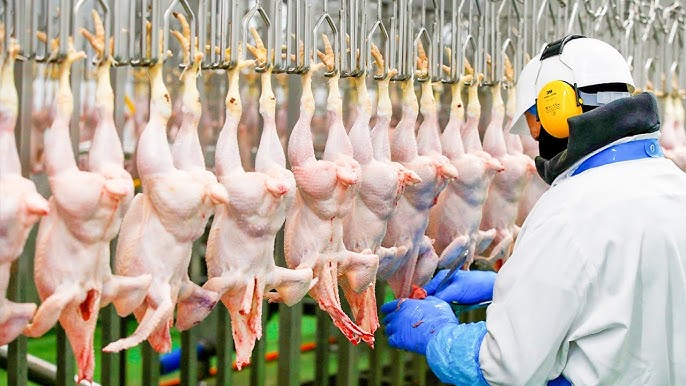
Selecting the appropriate slaughtering equipment for a meat processing facility is a critical decision that directly impacts productivity, product quality, hygiene, and overall operational efficiency. Modern slaughtering operations rely on specialized machinery to handle every step of the process, from stunning and bleeding to skinning, evisceration, and carcass splitting. Understanding the factors that influence equipment selection is essential for both new and established facilities to ensure smooth, safe, and cost-effective operations.
When choosing equipment, it is important to consider the specific needs of your facility, including the type and volume of animals processed, the level of automation desired, and regulatory requirements. The right machines can increase throughput, reduce labor costs, and maintain high standards of food safety. The integration of slaughtering equipment into production lines allows facilities to optimize workflow, minimize contamination risks, and maintain consistent product quality. Selecting the correct machinery is an investment that pays off in efficiency, sustainability, and operational reliability.
Assessing Your Facility’s Needs
Before purchasing equipment, it is essential to assess your facility’s requirements. Consider the following factors:
- Animal Types: Different machines are designed for specific animals, such as poultry, pigs, cattle, or sheep. Using equipment suited for the species you process ensures humane handling and optimal efficiency.
- Processing Volume: Facilities with high production volumes benefit from automated systems, while smaller operations may rely on compact, multifunctional machines.
- Space Availability: Ensure that your facility has adequate space to accommodate the equipment, including access for maintenance and cleaning.
- Regulatory Compliance: Equipment must meet local food safety and animal welfare regulations. Properly selected machinery helps maintain compliance and avoid penalties.
Understanding these factors will guide your choices and prevent costly mistakes in selecting inappropriate equipment.
Key Types of Slaughtering Equipment
Modern facilities often use a combination of specialized machines to streamline operations. Some key categories include:
Stunning Equipment
Stunning machines render animals unconscious before slaughter, ensuring humane treatment. Electrical and mechanical stunning devices are available, with the choice depending on the type of animal and production scale.
Bleeding Systems
Bleeding machines automate the process of blood collection while maintaining hygiene. Efficient bleeding prevents contamination and enhances meat quality.
Skinning and Dehairing Machines
These machines remove hides or hair without damaging the underlying meat. Skinning is typically used for cattle and sheep, while dehairing is primarily used for pigs.
Evisceration Equipment
Evisceration machines remove internal organs in a controlled and sanitary manner. Automation reduces contamination risks and ensures consistent product quality.
Carcass Splitting and Deboning Machines
Carcass splitting and deboning machines segment meat for further processing or packaging. Modern machines offer programmable settings to optimize yield and accommodate different animal sizes.
Factors to Consider When Choosing Equipment
Selecting the right machinery involves evaluating several important factors:
- Efficiency and Throughput: The equipment should meet your production demands while maintaining quality. High-speed machines are suitable for large-scale operations, whereas smaller facilities may prioritize versatility.
- Hygiene and Sanitation: Equipment should be easy to clean and designed to minimize contamination risks. Stainless steel construction and smooth surfaces are standard in modern machinery.
- Durability and Maintenance: Long-lasting machines reduce downtime and repair costs. Evaluate manufacturer support, warranty options, and availability of spare parts.
- Automation Level: Automated equipment increases productivity and reduces labor costs but may require skilled operators. Semi-automatic machines provide a balance for smaller operations.
- Cost vs. Value: While high-quality equipment may require a larger initial investment, it often results in lower operating costs and higher efficiency over time.
Training and Operational Considerations
Even the most advanced equipment is only effective if staff are trained to operate it correctly. Proper training ensures safe handling, efficient operation, and adherence to hygiene protocols. Facilities should develop standard operating procedures, conduct regular training sessions, and encourage staff to follow maintenance schedules. Manufacturers often provide on-site training and technical support, which can help facilities integrate equipment seamlessly into existing workflows.
Future-Proofing Your Facility
As the meat processing industry evolves, new technologies are continually emerging. Investing in flexible, scalable, and modern machinery allows facilities to adapt to changes in production demand, regulatory requirements, and technological advancements. Smart equipment with sensors, automation, and data analytics can optimize workflow, monitor performance, and predict maintenance needs, offering long-term benefits in efficiency and cost savings.
Conclusion
Choosing the right slaughtering equipment for a facility is a complex but essential task that impacts productivity, product quality, and operational safety. By assessing facility needs, understanding the types of equipment available, and evaluating factors such as efficiency, hygiene, and automation, meat processing operators can make informed decisions. Properly selected equipment not only ensures compliance with food safety and animal welfare regulations but also enhances operational efficiency, reduces labor costs, and improves overall product quality. Investing in modern, reliable machinery is a key step toward building a successful and sustainable meat processing operation.