

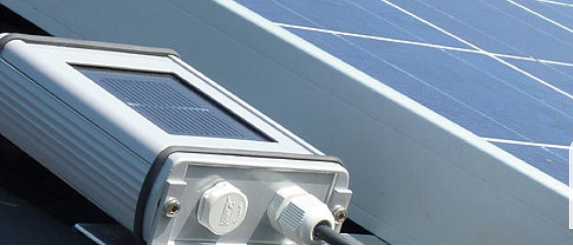
Selecting the right Radiation Sensor is critical for ensuring accurate measurements and reliable performance in industrial and scientific applications. Radiation sensors detect and quantify different types of radiation, including solar, nuclear, and electromagnetic radiation. The accuracy and durability of these devices determine their effectiveness in environments ranging from solar energy monitoring to nuclear research facilities. Choosing the best sensor requires understanding the sensor types, measurement principles, calibration needs, and application-specific requirements.
Different applications demand different types of radiation sensors. For example, in solar energy research or photovoltaic monitoring, high-precision solar radiation sensors are essential. Advanced models like the Radiation Sensor from Rika Sensor are designed to provide accurate measurements of solar irradiance across a wide spectrum, including visible, infrared, and ultraviolet light. In industrial environments, radiation sensors may need to detect ionizing radiation such as alpha, beta, or gamma rays, while scientific research may require sensors that measure both solar and ambient electromagnetic radiation with high precision. Understanding these distinctions is key to selecting a sensor that meets the performance and safety standards of the intended application.
Types of Radiation Sensors
Solar Radiation Sensors
Solar radiation sensors, also known as solar irradiance sensors, measure the intensity of sunlight on a surface. They typically use photovoltaic cells, thermopiles, or photodiodes to convert solar energy into an electrical signal. These sensors are crucial for solar power systems, climate monitoring, and agriculture, as they provide real-time data for energy optimization and environmental analysis. When selecting a solar radiation sensor for industrial or scientific use, it is important to consider spectral response, sensitivity, and calibration stability.
Nuclear Radiation Sensors
Nuclear radiation sensors are designed to detect ionizing radiation, such as alpha, beta, and gamma particles. Common types include Geiger-Müller counters, scintillation detectors, and semiconductor-based detectors. Geiger-Müller counters are widely used for general radiation monitoring, producing audible clicks or pulses when radiation is detected. Scintillation detectors convert radiation into flashes of light, which are then measured electronically, while semiconductor detectors provide precise electrical signals corresponding to the radiation intensity. These sensors are essential in nuclear power plants, laboratories, and industrial facilities that handle radioactive materials.
Electromagnetic Radiation Sensors
Electromagnetic radiation sensors detect non-ionizing radiation such as radio waves, microwaves, and infrared radiation. These sensors are widely used in telecommunications, industrial monitoring, and laboratory experiments. They convert electromagnetic signals into measurable electrical data, enabling monitoring, control, and safety compliance. Selecting the right sensor in this category involves assessing the frequency range, sensitivity, and environmental resistance required for the specific application.
Key Features to Consider
When choosing a radiation sensor, several features determine its suitability for industrial or scientific use:
- Accuracy and Sensitivity – High-precision sensors provide reliable measurements under varying environmental conditions. Sensitivity ensures the detection of low-intensity radiation, which is critical in scientific research.
- Spectral Response – For solar applications, a sensor with a broad and uniform spectral response ensures accurate representation of sunlight, including UV and infrared components.
- Durability – Industrial and outdoor environments expose sensors to temperature fluctuations, dust, moisture, and mechanical stress. A durable housing and protective coatings increase longevity.
- Data Integration – Sensors with digital outputs, such as Modbus or 4–20 mA signals, can be easily integrated into monitoring systems and data acquisition platforms for automated analysis.
- Calibration Stability – Regular calibration maintains measurement accuracy. Sensors designed for long-term stability reduce the frequency of recalibration and improve reliability.
Maintenance and Calibration
Proper maintenance and calibration are essential for any radiation sensor. Cleaning the sensor surface, inspecting for physical damage, and checking connections ensure accurate performance. Calibration involves comparing sensor readings with a known reference standard to correct deviations. In industrial and scientific applications, precise calibration ensures compliance with safety standards and provides reliable data for analysis. Sensors exposed to harsh environmental conditions may require more frequent maintenance and recalibration to maintain accuracy.
Application-Specific Considerations
Industrial Use
In industrial applications, radiation sensors often monitor safety and operational conditions. For instance, in nuclear facilities or chemical plants, ionizing radiation detection is critical to prevent accidents and protect workers. Industrial sensors must be robust, resistant to environmental stress, and capable of continuous monitoring.
Scientific Research
In scientific research, high-precision measurements are often required. Solar energy studies, climate research, and laboratory experiments depend on sensors that provide accurate data across different radiation types and intensity ranges. Sensors with stable calibration, broad spectral response, and fast response time are ideal for scientific use.
Conclusion
Choosing the best Radiation Sensor for industrial or scientific applications involves assessing sensor type, measurement accuracy, durability, calibration stability, and data integration capabilities. Solar, nuclear, and electromagnetic radiation sensors each serve distinct purposes, and selecting the right one ensures reliable measurements and operational safety. By understanding the requirements of the specific application and investing in high-quality sensors, users can achieve accurate data, enhance system performance, and maintain safety and compliance in industrial and research environments.