

In industrial and manufacturing processes, the separation of solids from liquids is a critical step that affects product quality, operational efficiency, and cost management. Two common methods for achieving this are centrifuge separation and traditional filtration. Both techniques have their advantages and limitations, and selecting the most effective option depends on the specific requirements of the process, including throughput, particle size, viscosity, and the nature of the materials being processed. Understanding the differences between these two methods is essential for making informed operational decisions.
How a Centrifuge Separator Works
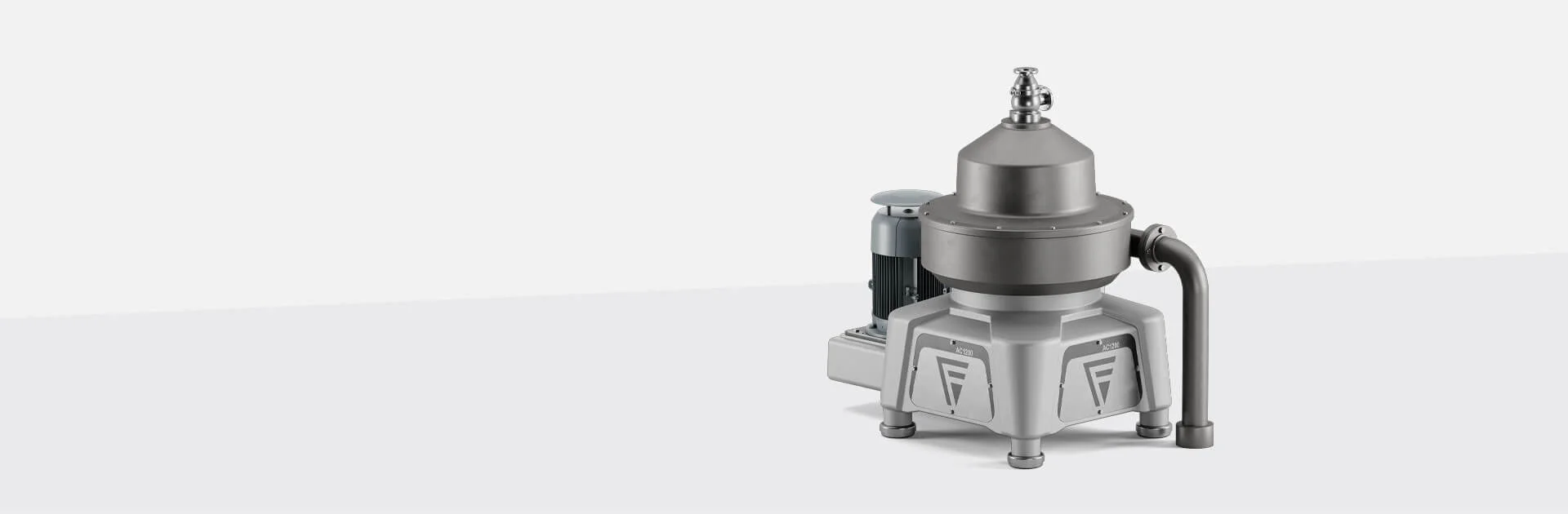
A centrifuge separator operates by spinning a mixture at high speeds, creating centrifugal force that separates components based on their density. Solids, being heavier, are forced to the outer wall of the rotating chamber, while liquids remain closer to the center. A conveyor or rotor then continuously removes the separated solids, allowing for uninterrupted operation. This method is particularly effective for processing slurries, emulsions, and high-solids-content liquids that can be difficult to filter using traditional methods. Industries that require high-throughput and efficient solid-liquid separation often rely on a Centrifuge Separator for its ability to maintain consistent performance while handling complex feed materials.
Filtration Basics and Limitations
Filtration involves passing a mixture through a porous medium or filter element, which traps solid particles while allowing the liquid to pass through. Filtration is widely used across industries, including water treatment, chemical manufacturing, and food processing. While it is simple to operate and can be very effective for removing large or coarse particles, traditional filtration has several limitations. Filters can become clogged, especially when processing materials with high solid content, requiring frequent cleaning or replacement. The filtration process can also be slower than centrifuge separation, particularly for high-volume operations, which may limit its suitability for continuous, large-scale production.
Efficiency in Solid-Liquid Separation
When comparing a centrifuge separator to filtration, the centrifuge generally offers higher separation efficiency, especially for fine or colloidal particles. The centrifugal force applied in a centrifuge accelerates the settling of particles, achieving a higher degree of clarity in the liquid phase. Filtration, on the other hand, relies on the physical pore size of the filter medium, which may not be sufficient to remove very fine solids or emulsified substances. Additionally, centrifuges can continuously discharge solids while maintaining separation, whereas filters often require interruption for cleaning or replacement, which reduces overall process efficiency.
Operational Flexibility
Centrifuge separators provide greater operational flexibility compared to filtration systems. They can handle varying feed compositions, high-viscosity liquids, and abrasive or corrosive materials without significant modifications. Filtration systems, however, are more sensitive to changes in feed characteristics and may require specialized filter media or adjustments to maintain efficiency. This flexibility makes centrifuge separators suitable for a wide range of industrial applications, from wastewater treatment and chemical processing to food and beverage production and oil refining.
Maintenance and Lifecycle Considerations
Maintenance requirements differ significantly between centrifuge separators and filtration systems. Filters require frequent cleaning, replacement, or backwashing to maintain performance, particularly in high-solids or sticky applications. In contrast, modern centrifuge separators are designed for durability, with high-quality materials and precision-engineered components that minimize wear and extend service life. While centrifuges may have higher initial investment costs than filtration systems, their reduced downtime, lower maintenance frequency, and higher throughput often result in lower total operating costs over time.
Energy and Resource Efficiency
Centrifuge separators are generally more energy-efficient for high-volume or continuous processes. By rapidly separating solids from liquids, they reduce the need for repeated processing steps and minimize water and chemical usage in dewatering or clarification applications. Filtration systems may require multiple passes, increased pressure, or additional chemicals to achieve the same level of separation, which can increase energy consumption and operational costs. For industries focused on sustainability and efficiency, centrifuge separators offer a clear advantage in terms of energy and resource optimization.
When Filtration May Be Preferable
Despite the advantages of centrifuge separators, filtration is still the preferred choice in certain applications. For low-volume operations, where the feed material has a low solids content or where simplicity and low upfront costs are important, filtration can be effective and economical. Filtration is also suitable for applications requiring absolute particle retention or when specific filter media can enhance product quality. Understanding the operational context is crucial in determining whether a centrifuge or filtration system will deliver the best results.
Conclusion
Both centrifuge separators and filtration systems play important roles in industrial solid-liquid separation, but their effectiveness depends on the specific requirements of the process. Centrifuge separators excel in continuous, high-volume operations, offering superior efficiency, flexibility, and lower long-term operational costs, while filtration systems remain valuable for simpler, low-volume applications or when fine control over particle retention is needed. By evaluating factors such as throughput, solids concentration, viscosity, and energy efficiency, manufacturers can select the most appropriate separation method to optimize product quality and operational performance. Investing in the right technology ensures that industrial processes remain efficient, cost-effective, and sustainable over the long term.