

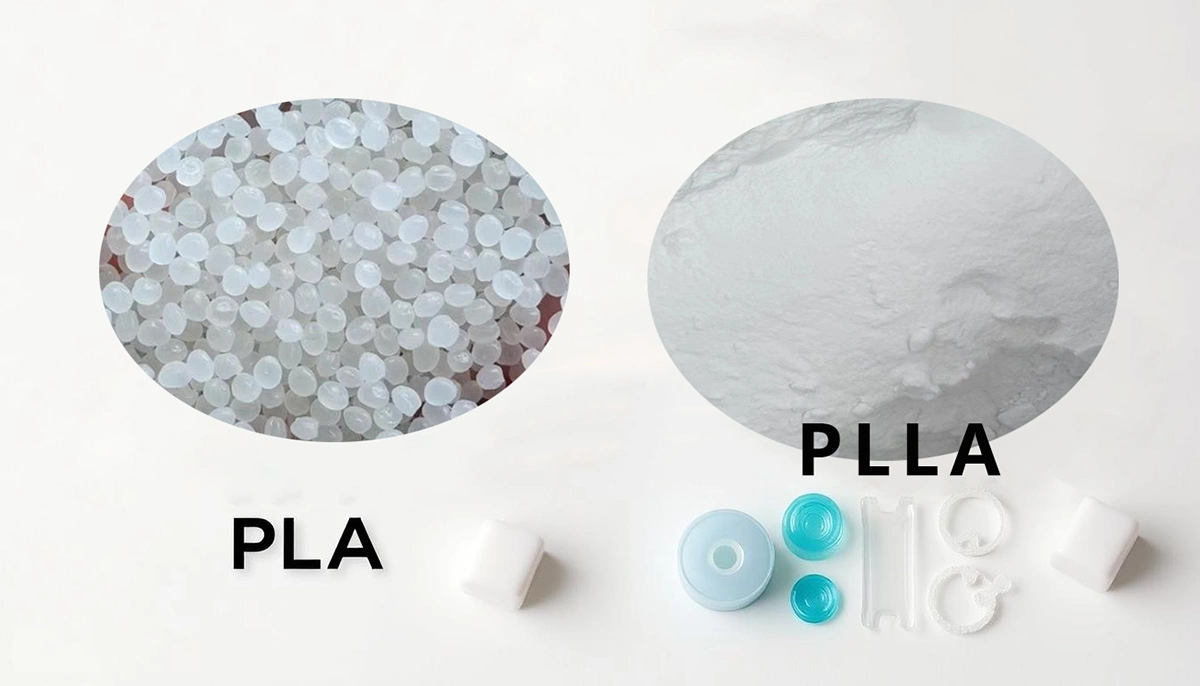
Poly-L-lactic acid is a biodegradable polymer that has attracted growing attention as industries and governments seek alternatives to conventional plastics. Derived from renewable biological sources, PLLA represents a shift toward materials that balance performance with environmental responsibility. Its ability to degrade naturally under appropriate conditions makes it especially relevant in the context of rising concerns about plastic pollution and long-term environmental damage. Understanding the biodegradability and environmental impact of PLLA is essential for evaluating its role in sustainable development.
Renewable Origins and Material Overview
PLLA is produced from L-lactic acid, which is obtained through the fermentation of plant-based carbohydrates such as corn starch or sugarcane. This renewable origin distinguishes it from petroleum-based plastics, whose extraction and processing contribute significantly to greenhouse gas emissions and resource depletion. By relying on biological feedstocks, PLLA supports a more circular approach to material production.
In practical and commercial use, PLLA has gained recognition for combining renewable sourcing with reliable mechanical and biological performance. Its structure allows it to function effectively in demanding applications while still offering the environmental advantage of biodegradability, making it an appealing choice for both medical and industrial purposes.
Mechanism of Biodegradation
The biodegradability of PLLA is one of its defining characteristics. The polymer degrades primarily through hydrolysis, a process in which water molecules break down the ester bonds within the polymer chain. Over time, this process reduces the material into smaller fragments and eventually into lactic acid monomers.
These lactic acid byproducts are naturally metabolized by microorganisms in the environment or by the human body in medical applications. They are converted into carbon dioxide and water through normal biological pathways, leaving no toxic residues. The rate of degradation depends on factors such as temperature, moisture, molecular weight, and crystallinity of the material.
Environmental Conditions and Degradation Rate
PLLA does not degrade instantly under all conditions, and its breakdown rate varies depending on the surrounding environment. In industrial composting facilities, where temperature and humidity are carefully controlled, PLLA can degrade relatively efficiently. In natural soil or marine environments, the process is slower but still significantly more environmentally friendly than traditional plastics that can persist for decades or even centuries.
This controlled degradation is often considered an advantage, as it allows PLLA products to maintain functionality during their intended lifespan before breaking down. However, it also highlights the importance of proper waste management systems to maximize the environmental benefits of biodegradable materials.
Reduction of Plastic Pollution
One of the most significant environmental benefits of PLLA is its potential to reduce long-term plastic pollution. Conventional plastics fragment into microplastics that accumulate in ecosystems and food chains. In contrast, PLLA breaks down into naturally occurring compounds that do not persist as microplastic pollutants.
By replacing traditional plastics in applications such as packaging, agricultural films, and disposable products, PLLA can help reduce the accumulation of plastic waste in landfills and natural environments. This shift is particularly important in industries where single-use plastics are common and difficult to recycle effectively.
Carbon Footprint and Life Cycle Impact
The environmental impact of PLLA extends beyond its biodegradability. Its life cycle, from raw material production to disposal, generally results in a lower carbon footprint compared to petroleum-based plastics. The use of renewable feedstocks allows carbon dioxide absorbed by plants during growth to offset emissions generated during manufacturing and degradation.
Life cycle assessments often show that PLLA has reduced greenhouse gas emissions, especially when produced using energy-efficient processes and disposed of through composting. However, factors such as agricultural practices, land use, and energy sources can influence the overall environmental performance, making responsible sourcing and production essential.
Medical and Environmental Safety
In medical applications, the biodegradability of PLLA provides both environmental and clinical benefits. Absorbable implants, sutures, and drug delivery systems made from PLLA eliminate the need for removal surgeries, reducing medical waste and resource consumption. As the material degrades safely within the body, it aligns with both patient safety and environmental responsibility.
From an environmental perspective, the non-toxic degradation products of PLLA reduce the risk of soil and water contamination. This safety profile supports its use in products that may come into contact with natural ecosystems.
Challenges and Limitations
Despite its advantages, PLLA is not a complete solution to environmental challenges. Its production can be more energy-intensive and costly than conventional plastics, and large-scale agricultural feedstock cultivation may raise concerns about land use and food competition. Additionally, biodegradation is most effective under specific conditions, meaning improper disposal can limit its environmental benefits.
Addressing these challenges requires improved waste management infrastructure, advances in production efficiency, and the development of complementary biodegradable materials.
Future Role of PLLA in Sustainability
As environmental regulations become stricter and consumer awareness grows, the demand for sustainable materials like PLLA is expected to increase. Ongoing research aims to enhance its degradation performance in diverse environments and reduce production costs. Innovations in composting technology and recycling methods for biodegradable plastics may further strengthen its environmental impact.
In the broader context of sustainable material science, PLLA represents a meaningful step toward reducing plastic pollution and supporting a more responsible relationship with the environment. Its biodegradability, renewable origins, and safety profile position it as an important material in the transition toward a more sustainable future.