
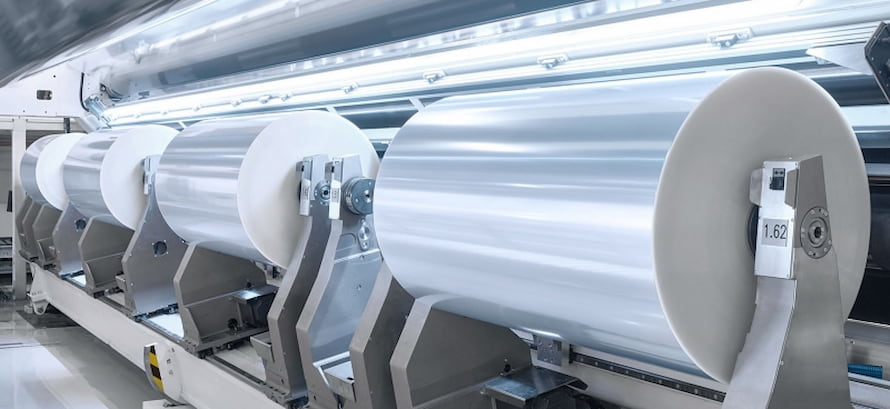
Biaxially Oriented Polypropylene (BOPP) film is one of the most widely used materials in the global packaging industry. Its combination of clarity, strength, moisture resistance, and cost efficiency makes it suitable for a broad range of applications. From lightweight food packaging to heavy-duty industrial wrapping, BOPP film continues to support diverse packaging needs across global markets.
In this expanding landscape, BOPP film manufacturers play a vital role in supplying high-performance films tailored to both industrial and consumer goods packaging. Their production expertise ensures that films meet varying requirements for durability, printability, and barrier protection across multiple sectors.
Importance of BOPP Film in Modern Packaging
Packaging today is not only about protecting products but also about enhancing branding, improving logistics efficiency, and meeting sustainability expectations. BOPP film addresses these needs through its versatile performance characteristics.
It offers a balance between lightweight structure and high mechanical strength, making it ideal for both high-volume consumer products and demanding industrial applications.
Applications in Consumer Goods Packaging
Consumer goods packaging is one of the largest application areas for BOPP film. Its optical clarity and excellent printability make it highly suitable for retail products where visual appeal is critical.
Common uses include:
- Food packaging for snacks, bakery items, and confectionery
- Beverage labels for bottles and containers
- Personal care product packaging such as soaps and cosmetics
- Household product wraps and protective films
In these applications, BOPP film helps brands improve shelf visibility while ensuring product protection during storage and transportation.
Role in Industrial Packaging Solutions
Beyond consumer goods, BOPP film is widely used in industrial packaging applications where durability and performance are essential. Industrial environments often require materials that can withstand mechanical stress, moisture exposure, and long-distance transportation.
Typical industrial uses include:
- Heavy-duty wrapping for manufactured goods
- Adhesive tapes for sealing and bundling
- Protective laminations for machinery and components
- Pallet wrapping and logistics packaging materials
These applications rely on the film’s tensile strength and dimensional stability to maintain integrity under challenging conditions.
Contribution of BOPP Film Manufacturers to Industry Needs
The increasing diversity of packaging applications requires continuous innovation and precision in material production. This is where BOPP film manufacturers play a crucial role in adapting film properties to specific industry requirements.
They focus on:
- Developing customized film grades for different applications
- Enhancing barrier properties for sensitive products
- Improving surface treatments for better printing and adhesion
- Ensuring consistent quality across large-scale production
Their ability to tailor solutions allows industries to optimize packaging performance while controlling costs.
Key Properties That Enable Versatile Applications
BOPP film’s widespread use across industrial and consumer sectors is driven by its unique material properties.
High Mechanical Strength
The biaxial orientation process gives BOPP film excellent tensile strength, making it resistant to tearing and stretching during handling and transportation.
Excellent Optical Clarity
Its transparency enhances product visibility, which is especially important in retail packaging where consumer perception influences purchasing decisions.
Moisture Resistance
BOPP film provides a strong barrier against moisture, helping preserve product quality in food and industrial packaging.
Lightweight Structure
Its low density reduces transportation costs and material usage, supporting more efficient logistics operations.
Industry Trends Driving Application Growth
The demand for BOPP film continues to grow as industries shift toward more efficient and sustainable packaging solutions. Several trends are shaping its increased adoption:
- Expansion of e-commerce driving demand for durable packaging materials
- Growth in packaged food consumption globally
- Increased focus on lightweight and recyclable packaging solutions
- Rising demand for high-quality printed packaging for branding
These trends highlight the importance of adaptable materials in modern supply chains.
Sustainability Considerations in Packaging Applications
Sustainability is becoming a key factor in packaging decisions across industries. BOPP film supports this shift by enabling lightweight and recyclable packaging solutions that reduce environmental impact.
Manufacturers are also developing improved film structures that support mono-material recycling systems, helping industries move toward circular economy goals.
Conclusion
BOPP film has established itself as a highly versatile material in both industrial and consumer goods packaging. Its strength, clarity, and adaptability make it suitable for a wide range of applications across global markets.
As packaging demands continue to evolve, BOPP film manufacturers remain essential in delivering innovative, high-performance solutions. Their ability to customize and improve film properties ensures that industries can meet both functional requirements and sustainability goals effectively.