
Aquaculture operations depend on stable water quality, effective biosecurity practices, and careful management of microbial risks. Fish farms, shrimp ponds, hatcheries, and recirculating aquaculture systems all require sanitation strategies that protect production environments without creating unnecessary stress for aquatic organisms. Selecting an appropriate disinfectant involves understanding water conditions, treatment objectives, chemical characteristics, and the sensitivity of the cultured species.
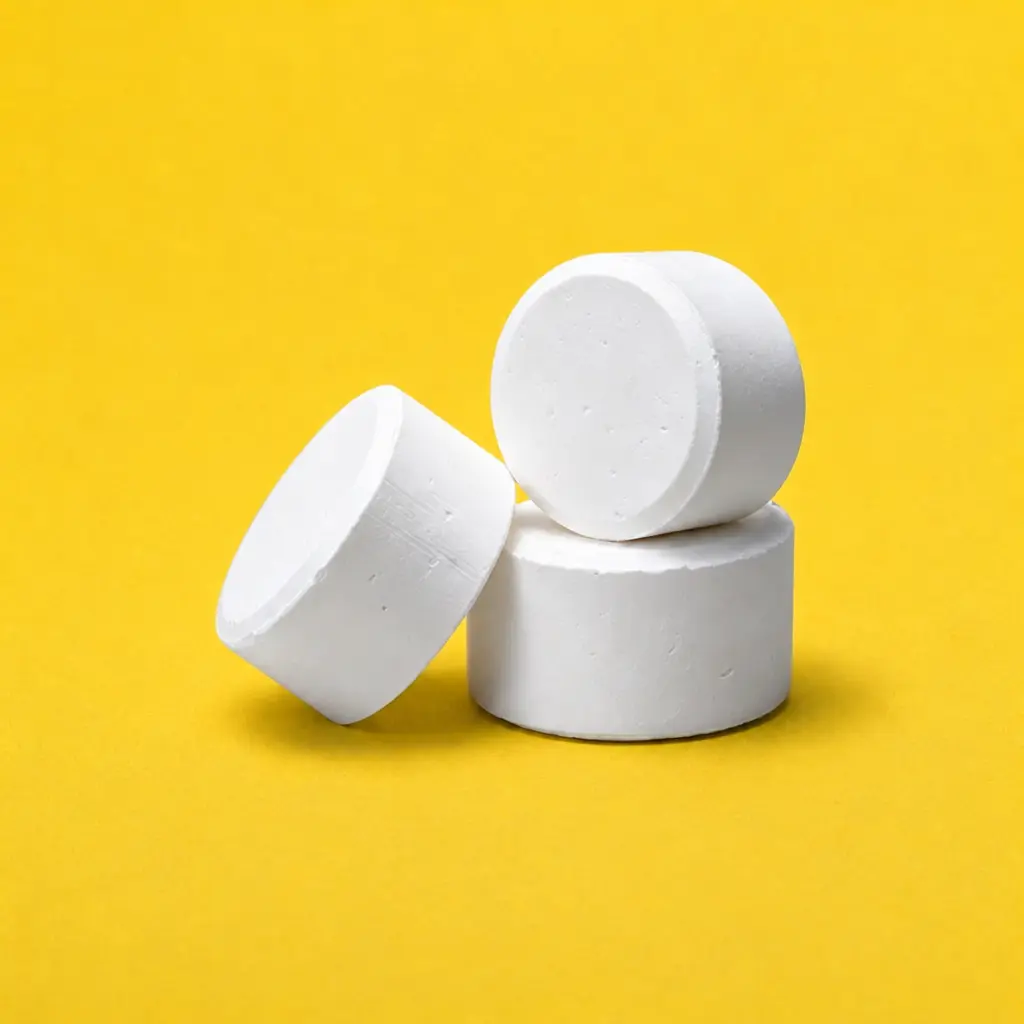
Sodium dichloroisocyanurate (SDIC) is a chlorine-based disinfectant that releases available chlorine when dissolved in water. When evaluating Sdic For Aquaculture, farm operators should consider the product’s available chlorine content, application method, water chemistry, organic load, and potential effects on fish, shrimp, and beneficial microorganisms. Its use must be carefully controlled because an effective disinfectant concentration for equipment or empty ponds may be harmful to aquatic animals.
1. Understanding SDIC in Aquaculture
SDIC, or sodium dichloroisocyanurate, is an organic chlorine compound used in certain water disinfection and sanitation applications. When added to water, it releases available chlorine, which has an oxidizing effect against susceptible microorganisms.
In aquaculture, disinfection requirements vary according to the production system. A hatchery may require strict sanitation of tanks and equipment, while a grow-out pond may need a different approach to biosecurity and water management.
SDIC may be considered for specific aquaculture sanitation procedures, such as treating suitable equipment, empty ponds, or water before stocking, when the product is approved for the intended use.
It should not be assumed that SDIC can be safely added directly to occupied fish or shrimp ponds. Treatment decisions must account for species sensitivity, water chemistry, residual chlorine, and applicable aquaculture regulations.
2. Why Disinfection Matters in Fish and Shrimp Farming
Aquaculture environments can support the growth and transmission of microorganisms. High stocking densities, accumulated organic matter, poor water exchange, and unsuitable environmental conditions may increase disease risks.
A structured disinfection program can help reduce contamination pathways between production cycles.
Disease Prevention
Pathogens may enter farming systems through incoming water, equipment, personnel, animals, or contaminated materials. Appropriate sanitation procedures help reduce the likelihood of transferring harmful microorganisms between production areas.
Hatchery Biosecurity
Hatcheries require careful hygiene management because eggs, larvae, and juvenile animals can be particularly sensitive to environmental conditions.
Cleaning and disinfection of tanks, pipes, tools, and other equipment between production batches can support better biosecurity.
Pond Preparation
Before introducing a new production cycle, some farms use approved disinfection procedures for empty ponds and associated equipment.
Any chemical treatment should be completed according to the product instructions, with adequate treatment time, neutralization where required, and verification that residual disinfectant levels are safe before stocking.
Equipment Sanitation
Nets, containers, pumps, water pipes, and handling equipment can transfer contamination between ponds or production units.
A controlled cleaning and disinfection program can help reduce this risk.
3. Important Aquaculture Applications of SDIC
SDIC may have a role in selected aquaculture sanitation applications, depending on product authorization and the treatment conditions.
Empty Pond Disinfection
Pond preparation is an important part of farm biosecurity. Where permitted, an approved disinfectant may be used to treat suitable pond surfaces or water during the period before stocking.
Operators must follow the required treatment procedure and confirm that residual chlorine has been reduced to an acceptable level before introducing aquatic animals.
Hatchery Equipment Treatment
Hatchery equipment can require regular sanitation between production cycles. Suitable SDIC formulations may be considered for treating compatible tanks, tools, containers, and other equipment.
Equipment should be cleaned before disinfection because organic residues can reduce chlorine effectiveness.
Water Supply System Sanitation
Water intake systems, storage tanks, and distribution pipes may require periodic sanitation. SDIC can be considered for appropriate systems when the treatment is compatible with the materials and operational requirements.
Following treatment, the system may require flushing, neutralization, and residual testing before water is supplied to aquatic animals.
Transport and Handling Equipment
Fish and shrimp farms often use containers, nets, and transport equipment across different production areas. Appropriate disinfection between uses can help reduce cross-contamination.
The selected product must be compatible with the equipment and used according to its approved instructions.
4. How Available Chlorine Influences Disinfection
Available chlorine is a key specification when evaluating SDIC products.
It represents the amount of chlorine available from the chemical under defined testing conditions. This value helps users understand product strength and calculate treatment quantities for approved applications.
However, available chlorine concentration alone does not determine whether a treatment is suitable for aquaculture.
Several factors influence chlorine behavior in water:
- pH: Affects the chemical forms of chlorine present and their disinfecting activity.
- Organic matter: Can consume available chlorine and increase chlorine demand.
- Temperature: Influences chemical reactions and disinfectant behavior.
- Water composition: Dissolved substances may affect chlorine availability.
- Contact time: Determines how long the disinfectant acts during treatment.
- Residual chlorine: Must be evaluated before treated water is used in occupied aquaculture systems.
For fish and shrimp farming, the distinction between disinfection effectiveness and aquatic animal safety is especially important.
5. Risks of Chlorine Exposure to Fish and Shrimp
Chlorine-based disinfectants can be harmful to aquatic organisms if used at unsuitable concentrations.
Fish and shrimp may be sensitive to residual chlorine, and exposure can affect gill tissues, respiratory function, and general physiological condition.
Potential risks include:
Gill and Respiratory Stress
Fish rely on their gills for gas exchange. Exposure to unsuitable chlorine levels can irritate or damage gill tissues and interfere with normal respiration.
Shrimp Sensitivity
Shrimp may also be affected by chlorine exposure. The level of risk depends on species, life stage, water conditions, and the concentration and duration of exposure.
Effects on Beneficial Microorganisms
Many aquaculture systems rely on beneficial microbial communities for biological filtration and waste processing.
Broad-spectrum disinfectants can disrupt these communities, potentially affecting water quality and system stability.
Stress and Production Losses
Chemical exposure can create physiological stress and may affect feeding, growth, survival, and overall production performance.
For these reasons, SDIC should not be applied to occupied ponds or tanks unless the specific product is authorized for that use and a qualified aquaculture or aquatic animal health professional has established a validated treatment protocol.
6. Factors to Evaluate Before Selecting SDIC
Farm operators should assess several technical and operational factors before purchasing an SDIC product.
Product Available Chlorine Content
Different product grades may have different available chlorine specifications. Buyers should confirm the exact percentage and review the batch-specific Certificate of Analysis.
Formulation and Dissolution
SDIC may be supplied in powder, granular, or tablet forms. The appropriate format depends on the approved application, preparation procedure, and dosing equipment.
Dissolution characteristics should be evaluated according to the manufacturer’s technical information.
Water Quality Conditions
Aquaculture water contains dissolved substances and organic materials that can influence chlorine behavior.
Operators should assess relevant parameters such as pH, organic load, temperature, and other water-quality characteristics before planning treatment.
Species and Life Stage
Different fish and shrimp species may have different sensitivities to chemical exposure. Eggs, larvae, juveniles, and adult animals may also respond differently.
A treatment appropriate for empty infrastructure should not automatically be considered safe for an occupied system.
Regulatory Approval
Buyers should confirm whether the product is approved for the intended aquaculture application in their region. Product registration and permitted uses may differ between markets.
7. Establishing a Responsible Aquaculture Disinfection Procedure
A structured approach helps farms manage biosecurity while reducing the risk of chemical exposure.
- Identify the treatment objective: Determine whether the requirement involves empty pond preparation, equipment sanitation, or water system disinfection.
- Select an approved product: Confirm that the product is authorized for the specific application.
- Review technical documentation: Check available chlorine content, product specifications, and the SDS.
- Assess water conditions: Evaluate relevant water chemistry and organic contamination.
- Follow the validated procedure: Use the manufacturer’s instructions and qualified technical guidance to determine dosage and contact time.
- Neutralize or remove residual disinfectant: Where required, complete the specified neutralization or flushing process.
- Verify treatment conditions: Use appropriate testing methods to confirm that residual chlorine is within the required limits before stocking or reconnecting the system.
Treatment records should include product identification, batch information, preparation details, treatment dates, and verification results.
8. Safety and Storage Requirements
SDIC is an oxidizing chemical and requires appropriate storage and handling precautions.
Aquaculture facilities should follow these practices:
- Keep the product in its original, properly closed packaging.
- Store it in a cool, dry, and well-ventilated area.
- Protect it from moisture and unsuitable environmental conditions.
- Keep it away from acids, ammonia, combustible materials, and incompatible chemicals.
- Use appropriate gloves, eye protection, and other protective equipment specified in the SDS.
- Avoid inhaling dust during handling.
- Train workers in chemical preparation, spill response, and emergency procedures.
Never mix SDIC with acids, ammonia, or incompatible cleaning chemicals, as hazardous reactions or toxic gas release may occur.
Chemical storage areas should be separated from animal feed, medicines, and other materials that could become contaminated.
9. Quality Documentation Buyers Should Request
Reliable documentation helps aquaculture businesses assess product suitability and maintain consistent purchasing standards.
Certificate of Analysis
A COA provides test results for a specific batch. It may include available chlorine content, chemical purity, physical appearance, and other relevant specifications.
Safety Data Sheet
The SDS explains chemical hazards, handling precautions, storage requirements, personal protective equipment, and emergency response measures.
Technical Data Sheet
A technical data sheet describes the product’s chemical characteristics, physical form, recommended applications, and relevant preparation guidance.
Product Approval Information
Where the intended application is regulated, buyers should request evidence of the relevant registration or authorization. A general industrial disinfectant specification does not establish approval for use in aquaculture.
10. Choosing a Reliable SDIC Supplier for Aquaculture Operations
Supplier selection should focus on product consistency, documentation, and the ability to support the intended application.
Purchasing teams should evaluate:
- Clearly defined available chlorine specifications.
- Consistent quality between batches.
- Suitable product formulation and packaging.
- COA and SDS availability.
- Relevant application approvals and documentation.
- Manufacturing quality-control procedures.
- Reliable production capacity and delivery schedules.
- Technical support for product handling and storage.
It is also useful to review product samples and technical documents before placing larger orders. Buyers should make sure that the supplier can identify the product’s approved applications and provide clear information about its limitations.
Conclusion
SDIC can be a useful chlorine-based disinfectant for selected aquaculture sanitation procedures, particularly when managing equipment, suitable water systems, and empty production facilities. Its effectiveness depends on available chlorine content, water chemistry, organic load, contact time, and correct application.
However, protecting fish and shrimp requires particular care. Residual chlorine can harm aquatic animals and beneficial microorganisms, so treatment must be based on product authorization, validated procedures, and appropriate testing. By evaluating product specifications, following safety requirements, and verifying water conditions before stocking, aquaculture businesses can make more responsible decisions about disinfection and biosecurity management.