
Hydraulic systems are essential to the operation of modern industrial machinery, construction equipment, agricultural vehicles, and material-handling systems. These applications depend on reliable fluid connections to transfer pressurized oil between pumps, cylinders, motors, and other components. When connections are difficult to manage or require frequent maintenance, equipment productivity can suffer. Fluid leakage, lengthy replacement procedures, and unnecessary downtime can also increase operating expenses.
Efficient connection technology helps address these challenges by making hydraulic systems easier to operate and maintain. Hydraulic Quick Couplers are designed to connect and disconnect hydraulic lines with minimal effort while maintaining a secure fluid pathway. Their practical design supports faster equipment changes, controlled fluid handling, and more convenient maintenance procedures. Understanding their advantages can help industrial operators improve hydraulic system performance and equipment reliability.
Understanding Hydraulic Quick Couplers
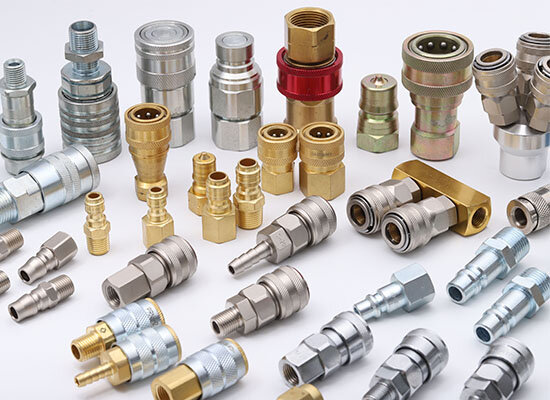
Hydraulic quick couplers are mechanical connectors that allow hydraulic hoses and equipment to be joined or separated without repeatedly using conventional threaded fittings.
They generally consist of two mating halves equipped with a locking mechanism. Many designs also incorporate internal valves that automatically control fluid flow when the connection is separated.
These components are available in different configurations, pressure ratings, sizes, and materials to accommodate various hydraulic applications.
Their primary purpose is to simplify hydraulic connections while maintaining the pressure-handling capability and sealing performance required by the system.
How Hydraulic Quick Couplers Improve Equipment Efficiency
Equipment efficiency depends on minimizing unnecessary interruptions and ensuring that hydraulic components operate reliably. Quick coupler technology contributes to these objectives in several ways.
1. Faster Equipment Connections
Traditional hydraulic connections can require additional tools and time-consuming installation procedures. Quick couplers simplify the process by allowing compatible hydraulic lines to be connected and disconnected more conveniently.
This is particularly useful for machinery that regularly changes attachments or requires frequent hose replacement.
Operators can complete connection tasks more efficiently, allowing equipment to return to operation sooner.
2. Reduced Equipment Downtime
Unplanned downtime can disrupt industrial production and increase maintenance costs. When hydraulic components need servicing, connection procedures can become an additional source of delay.
Quick couplers help reduce this problem by making it easier to isolate and disconnect compatible hydraulic lines.
Maintenance technicians can access components more conveniently, complete replacement procedures, and reconnect equipment with less manual effort.
3. Improved Equipment Flexibility
Many hydraulic machines operate with interchangeable attachments and accessories. Construction equipment, tractors, loaders, and industrial machinery often require different hydraulic connections depending on the task.
Quick couplers make switching between compatible attachments easier without repeatedly modifying permanent hydraulic connections.
This flexibility supports more efficient equipment utilization across different applications.
Simplifying Hydraulic System Maintenance
Regular maintenance is necessary to keep hydraulic systems operating safely and efficiently. Quick couplers help simplify several maintenance activities.
Easier Hose Replacement
Hydraulic hoses are exposed to pressure fluctuations, vibration, friction, and environmental conditions. Over time, these factors can cause wear or damage.
Quick couplers make it easier to disconnect compatible hose assemblies when replacement becomes necessary. This can reduce the time required to remove and reinstall hydraulic lines.
Convenient Component Inspection
Hydraulic systems contain several components that require periodic inspection, including pumps, cylinders, valves, and hoses.
Accessible connection points help maintenance teams separate specific sections of a system for inspection or servicing. This can make troubleshooting more organized and efficient.
Reduced Maintenance Complexity
Repeatedly tightening and loosening conventional fittings can increase manual work during routine maintenance.
Quick couplers simplify these repetitive procedures and help maintenance teams complete connection-related tasks more consistently.
However, proper isolation and depressurization procedures remain essential before disconnecting hydraulic lines unless the coupling is specifically designed and rated for connection under pressure.
The Importance of Leakage Prevention
Hydraulic fluid leakage can affect equipment performance, increase maintenance expenses, and create environmental and workplace safety concerns.
Reliable coupler design helps minimize these risks.
Effective Sealing Performance
Hydraulic quick couplers commonly use specialized sealing elements to maintain a tight connection between mating components.
These seals help prevent fluid from escaping during normal equipment operation. Their performance depends on correct installation, compatible materials, and suitable operating conditions.
Regular inspection is important because seals can deteriorate through repeated use, pressure exposure, and temperature variations.
Automatic Shut-Off Valves
Many hydraulic quick couplers feature internal valves that close automatically when disconnected.
These mechanisms help retain hydraulic fluid within the connected system and reduce unnecessary fluid discharge during equipment changes.
Double shut-off couplers provide additional control by closing both sides of the disconnected connection.
Reduced Environmental Contamination
Hydraulic fluid leakage can contaminate floors, soil, and surrounding equipment. Couplers with suitable shut-off and sealing features help reduce fluid loss during normal disconnection procedures.
Protective caps and proper cleaning practices also help prevent dirt and moisture from entering exposed hydraulic connections.
Common Applications of Hydraulic Quick Couplers
Hydraulic quick couplers are widely used in industries where machinery depends on reliable hydraulic power and interchangeable connections.
Construction Equipment
Excavators, bulldozers, loaders, and other construction machines use hydraulic systems to operate attachments and mechanical components.
Quick couplers simplify attachment changes and help maintenance teams manage hydraulic hose connections more efficiently.
Agricultural Machinery
Tractors, harvesters, and other agricultural vehicles frequently use hydraulic attachments for different field operations.
Quick couplers allow operators to connect compatible equipment more conveniently, reducing the effort required when changing implements.
Industrial Manufacturing
Hydraulic presses, production machinery, and material-handling equipment rely on consistent hydraulic performance.
Quick couplers support maintenance procedures and make it easier to replace compatible hydraulic components when required.
Transportation and Material Handling
Forklifts, lifting equipment, and specialized transport machinery use hydraulic systems for lifting and movement.
Reliable coupler connections help maintain fluid transfer while supporting equipment servicing and component replacement.
Important Factors When Selecting Hydraulic Quick Couplers
Choosing the correct coupler is essential for achieving dependable hydraulic performance. Different applications have different operating requirements, so selection should be based on technical specifications rather than appearance alone.
Operating Pressure
Check the maximum working pressure of the hydraulic system before selecting a coupler.
The component must be rated for the intended operating conditions, including expected pressure fluctuations. Using an unsuitable pressure rating can increase the risk of leakage or mechanical failure.
Material Compatibility
Hydraulic quick couplers are manufactured using materials such as carbon steel, stainless steel, and other metal alloys.
Material selection should consider corrosion exposure, mechanical strength, environmental conditions, and the type of hydraulic fluid being transported.
Flow Capacity
The internal passage diameter influences the amount of hydraulic fluid that can move through the connection.
An undersized coupler may create excessive pressure drops and reduce system efficiency. Always consider the required flow rate and acceptable pressure loss.
Temperature Resistance
Hydraulic systems may operate in environments involving high temperatures or significant temperature changes.
The selected coupler and its sealing elements should be compatible with the system’s operating temperature range.
Connection Design
Different hydraulic applications may require push-to-connect, threaded, flat-face, or other coupling configurations.
The appropriate design depends on connection frequency, operating pressure, contamination exposure, and equipment requirements.
Best Practices for Maintaining Hydraulic Quick Couplers
Even durable hydraulic couplers require proper handling and regular inspections to maintain their service life.
Industrial maintenance teams should follow these practices:
- Inspect coupler bodies for corrosion, cracks, and physical damage.
- Examine seals for wear, deformation, or deterioration.
- Clean mating surfaces before establishing connections.
- Use protective dust caps when couplers are disconnected.
- Confirm that locking mechanisms are fully engaged before operation.
- Monitor connections for fluid leakage during equipment use.
- Replace damaged components with compatible manufacturer-approved parts.
- Follow recommended inspection intervals and maintenance procedures.
Keeping hydraulic connections clean is especially important because contaminants can damage sensitive system components, including pumps, valves, and cylinders.
Long-Term Benefits for Hydraulic System Performance
The advantages of hydraulic quick couplers extend beyond convenient connection procedures. Their use can contribute to better maintenance planning, improved equipment availability, and more efficient hydraulic operations.
By reducing the time required for hose replacement and attachment changes, these components help limit avoidable interruptions.
Their sealing and shut-off features can also support better fluid management and cleaner maintenance environments.
When selected according to system requirements and maintained properly, hydraulic quick couplers can become an important part of a reliable hydraulic connection strategy.
Conclusion
Hydraulic quick couplers improve equipment efficiency by simplifying fluid connections, reducing maintenance effort, and supporting faster equipment changes. Their reliable locking mechanisms, sealing systems, and automatic shut-off features also contribute to safer and more controlled hydraulic operations.
Selecting the appropriate coupler requires careful consideration of operating pressure, flow capacity, material compatibility, temperature limits, and connection design. With correct installation and routine maintenance, these components can help reduce downtime, improve equipment reliability, and support long-term hydraulic system performance.