
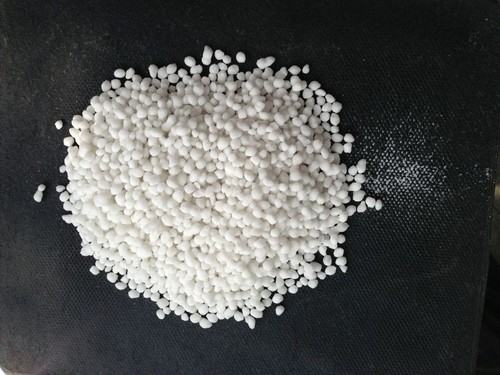
Ammonium sulphate is an important inorganic chemical used in agriculture and various industrial processes. Its value comes from its chemical composition, reliable solubility, and ability to supply nitrogen and sulphur in suitable applications. However, not all ammonium sulphate products have identical quality characteristics. Purity, moisture content, particle size, and impurity levels can influence how the material performs during storage, processing, and final use.
For manufacturers, distributors, and agricultural buyers, selecting a product with consistent specifications is essential for maintaining operational efficiency. A carefully evaluated High Purity Ammonium Sulphate Crystal product can offer dependable chemical properties for applications that require controlled material quality. Understanding its characteristics and industrial uses helps buyers identify suitable grades and establish appropriate quality requirements.
Understanding Ammonium Sulphate Crystals
Ammonium sulphate is an inorganic salt with the chemical formula (NH₄)₂SO₄. It typically appears as white or off-white crystals and dissolves readily in water.
The compound contains two important nutrient elements:
- Nitrogen: Common agricultural-grade ammonium sulphate typically contains approximately 21% nitrogen.
- Sulphur: A typical product contains approximately 24% sulphur.
These nutrients make ammonium sulphate particularly valuable in fertilizer manufacturing and agricultural applications. Its chemical properties also support its use in selected industrial processes.
The term high-purity ammonium sulphate generally refers to material manufactured and tested to meet defined purity and impurity specifications. Because purity requirements vary by application, buyers should review the actual product specification rather than relying on a general quality description.
Key Quality Characteristics of High-Purity Ammonium Sulphate
Product quality is determined by several chemical and physical properties. Evaluating these characteristics helps ensure that the material meets the requirements of its intended application.
1. Chemical Purity
Chemical purity indicates the proportion of ammonium sulphate in the product relative to other substances. Lower levels of unwanted impurities may be important for applications involving controlled chemical processes or specialized manufacturing requirements.
Buyers should request a technical data sheet and certificate of analysis to verify the declared purity level and relevant impurity limits.
2. Consistent Crystal Appearance
High-quality ammonium sulphate crystals generally have a consistent appearance, commonly white or off-white. Unusual discoloration may indicate contamination, processing differences, or storage-related issues.
Visual inspection can provide an initial quality indication, although laboratory analysis is necessary to confirm chemical composition.
3. Moisture Content
Moisture content is an important consideration because excessive moisture can contribute to caking and handling difficulties. Products intended for bulk storage should meet appropriate moisture specifications.
Dry, properly packaged material is generally easier to transport, store, and process.
4. Water Solubility
Ammonium sulphate is highly soluble in water, making it suitable for applications that require dissolution or preparation of aqueous solutions.
Consistent solubility can help support predictable processing performance. Buyers should confirm that the product meets the solubility requirements of their specific operation.
5. Particle Size Distribution
Ammonium sulphate may be supplied in different crystal or granular sizes. Particle size can influence material flow, packaging, dissolution behavior, and blending characteristics.
The preferred size depends on whether the product is intended for fertilizer distribution, industrial processing, or another specialized application.
Industrial Applications of High-Purity Ammonium Sulphate
Ammonium sulphate has a range of industrial applications because of its chemical composition and physical properties.
Fertilizer Manufacturing
One of its most established uses is in agricultural fertilizer production. Ammonium sulphate supplies nitrogen and sulphur, which support protein synthesis, chlorophyll formation, and normal plant development.
Fertilizer manufacturers may incorporate it into blended products designed to meet specific crop and soil nutrient requirements.
Chemical Manufacturing
Ammonium sulphate can serve as a raw material or processing chemical in selected industrial operations. Its suitability depends on the process chemistry and required material specifications.
Manufacturers should evaluate purity, impurity limits, and compatibility with other process materials before selecting a product.
Water Treatment and Processing
Certain water treatment and industrial processing applications use ammonium sulphate as a chemical input. Its role depends on the treatment method and operating conditions.
Technical teams should confirm the required grade and follow relevant handling and process guidelines.
Food and Fermentation-Related Applications
Ammonium sulphate may be used in some controlled fermentation and food-processing applications as a nitrogen source for microorganisms. Such uses require an appropriate grade that complies with applicable regulations and quality standards.
Agricultural-grade material should not automatically be assumed suitable for food-related applications.
Laboratory and Specialized Uses
In biochemical and laboratory settings, ammonium sulphate is used in techniques such as protein precipitation and purification. These applications may require specific reagent grades with tightly controlled impurity levels.
The required grade should be selected according to the analytical or processing procedure.
Why Purity Matters in Industrial Processing
Purity can influence the consistency and reliability of industrial operations. Even when a product has the correct chemical identity, variations in impurities or physical characteristics may affect process performance.
More Predictable Processing
Consistent chemical composition helps manufacturers maintain controlled input conditions. This is particularly important in processes where raw material variations can affect product quality.
Reduced Contamination Risks
Unwanted impurities may interfere with chemical reactions, introduce contaminants, or create additional processing requirements. Defined impurity limits help buyers assess whether a product is appropriate for a particular use.
Better Quality Control
Products supplied with batch-specific certificates of analysis provide documented information for incoming material inspections. This supports traceability and helps manufacturers maintain internal quality systems.
Improved Procurement Consistency
Working with suppliers that maintain clear specifications can make it easier to compare batches, manage inventory, and establish long-term purchasing arrangements.
How to Evaluate an Ammonium Sulphate Supplier
Selecting a dependable supplier requires more than checking the quoted price. Buyers should examine quality documentation, production consistency, packaging, and supply capabilities.
Request Technical Documentation
A supplier should be able to provide relevant documents, including:
- Technical data sheet.
- Certificate of analysis.
- Safety Data Sheet.
- Declared chemical composition.
- Moisture and particle-size specifications.
- Relevant impurity information.
The documents should correspond to the product grade being offered.
Verify Quality Management Practices
Buyers should ask how the supplier monitors product quality and whether each batch undergoes appropriate testing. For specialized applications, independent laboratory verification may be useful.
Check Packaging and Storage Conditions
Packaging should protect the crystals from moisture and contamination during transportation and storage. Buyers should also confirm that the product is handled and stored under suitable conditions before shipment.
Assess Supply Reliability
Industrial users often require predictable delivery schedules and consistent product specifications. Evaluating production capacity, inventory arrangements, export experience, and communication practices can help identify suppliers capable of supporting ongoing requirements.
Packaging, Transportation, and Storage
Proper handling helps preserve the physical quality of ammonium sulphate crystals throughout the supply chain.
Packaging Options
Depending on order size and customer requirements, ammonium sulphate may be supplied in standard bags, jumbo bags, or bulk shipments.
Packaging should be strong enough to withstand normal handling and provide adequate protection against moisture.
Transportation Considerations
During transportation, the product should be protected from rain, water exposure, and contamination from other cargo. Buyers should confirm loading procedures and shipment conditions with the supplier.
Recommended Storage Practices
For effective storage:
- Keep the product in a dry, well-ventilated warehouse.
- Protect bags from rain and direct moisture exposure.
- Store packages on suitable pallets or dry surfaces.
- Keep packaging intact until the product is needed.
- Separate the material from incompatible substances.
- Follow the supplier’s handling and storage instructions.
These practices help reduce caking, packaging damage, and unnecessary material loss.
Common Mistakes When Purchasing High-Purity Ammonium Sulphate
Buyers can avoid procurement problems by paying attention to several common issues.
Relying only on appearance: White crystals do not automatically prove high chemical purity. Laboratory documentation is needed to verify composition.
Ignoring grade requirements: Agricultural, industrial, and reagent-grade products may have different specifications. Buyers should identify the intended application before ordering.
Overlooking moisture content: Excessive moisture can affect storage and handling, even when the chemical composition is otherwise acceptable.
Failing to review certificates: Batch-specific documentation helps confirm that the supplied material meets the agreed requirements.
Choosing suppliers solely by price: A low initial quotation may not reflect quality consistency, packaging standards, delivery reliability, or total procurement costs.
Conclusion
High-purity ammonium sulphate crystals are valuable in fertilizer production and selected industrial applications because of their established chemical properties, water solubility, and versatile uses. Their suitability depends on consistent chemical composition, controlled impurity levels, appropriate moisture content, and physical characteristics that match the intended process.
For manufacturers and distributors, reviewing technical specifications, requesting batch documentation, and evaluating supplier reliability are essential steps in purchasing decisions. With suitable quality controls and proper storage practices, ammonium sulphate crystals can serve as a dependable material for agricultural and industrial operations.