
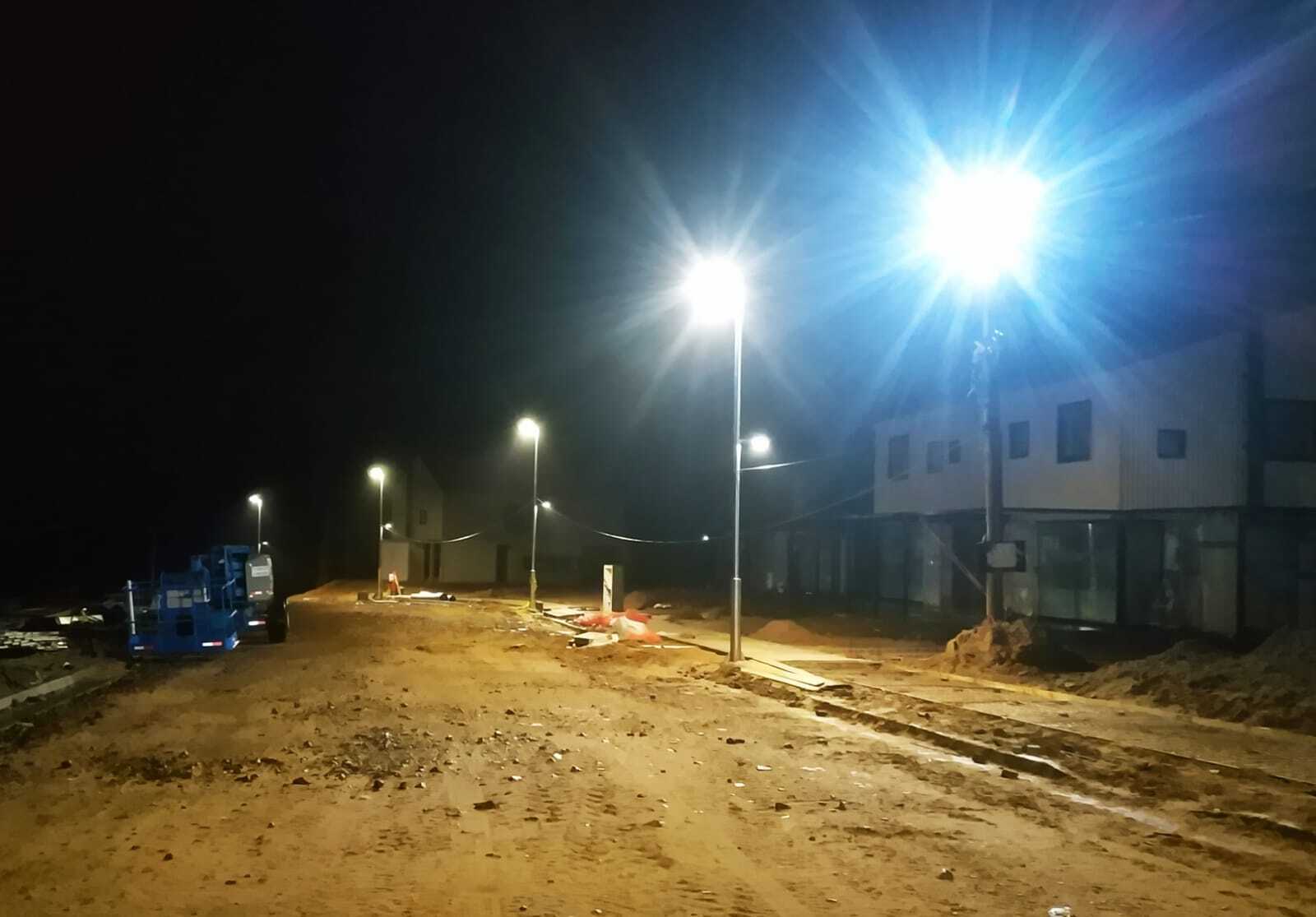
Lighting plays a critical role in industrial operations and outdoor environments, where consistent visibility, durability, and energy efficiency are essential. Manufacturing plants, warehouses, parking facilities, highways, and commercial properties all depend on reliable lighting systems to support daily activities. Poor lighting can affect workplace productivity, create visibility challenges, and increase safety concerns. As a result, businesses are increasingly turning to modern LED technology to meet their demanding illumination requirements.
Choosing suitable lighting equipment involves evaluating more than brightness and initial purchase costs. Product construction, energy performance, environmental protection, maintenance requirements, and long-term reliability all influence the success of an installation. Businesses exploring modern lighting solutions can review the options available through CHZ Lighting when researching products for different industrial and outdoor applications. Understanding the characteristics of dependable LED systems helps project managers make informed decisions and select equipment suited to their operating conditions.
The Importance of Reliable Lighting in Industrial and Outdoor Environments
Industrial and outdoor locations often present challenging operating conditions. Fixtures may need to function for extended hours while handling temperature fluctuations, moisture, dust, vibration, and other environmental factors.
In manufacturing facilities, adequate illumination helps employees operate machinery, inspect products, and complete detailed tasks. Warehouses require consistent lighting across storage aisles and loading areas, while outdoor facilities depend on suitable illumination for roads, entrances, and parking spaces.
Reliable lighting systems help maintain these requirements while reducing the likelihood of unexpected equipment failures and maintenance interruptions.
Key Features of Dependable Industrial and Outdoor LED Lighting
Modern LED technology offers several characteristics that make it suitable for demanding environments.
Energy Efficiency and Lower Operating Expenses
One of the main reasons businesses choose LED lighting is its energy efficiency. LED fixtures generally produce more visible light per watt than many traditional lighting technologies.
For facilities with large lighting installations, reducing electricity consumption can lead to meaningful operational savings. This is particularly relevant for factories, warehouses, and outdoor areas where lights may remain active throughout the night.
Efficient lighting also helps organizations manage their energy consumption as part of broader sustainability initiatives.
Durable Construction
Industrial and outdoor fixtures must withstand conditions that may damage conventional lighting equipment.
Durable housings, suitable mounting systems, quality electrical components, and effective thermal management all contribute to product reliability. Depending on the application, resistance to corrosion, vibration, dust, and moisture may also be necessary.
Choosing fixtures designed for their intended operating environment can help reduce premature failures.
Long Operating Lifespan
Maintenance activities can be expensive when lighting equipment is installed at significant heights or in difficult-to-access locations.
LED fixtures generally offer longer operating lifespans than many traditional alternatives. This can reduce replacement frequency, lower maintenance labor requirements, and minimize disruptions to daily operations.
However, actual service life depends on component quality, operating temperature, installation conditions, and usage patterns.
Consistent Light Distribution
Reliable illumination requires more than high brightness. Light should be distributed appropriately to avoid excessive glare, dark spots, and uneven visibility.
Modern LED fixtures can incorporate specialized lenses and optical designs to direct light toward specific areas. This is useful in warehouses, manufacturing facilities, roadways, and outdoor workspaces.
Suitable LED Lighting Solutions for Industrial Applications
Different industrial environments require different lighting configurations. Selecting the right fixture type helps ensure that each area receives appropriate illumination.
LED High Bay Lights
High bay fixtures are commonly installed in factories, warehouses, logistics centers, and workshops with elevated ceilings.
They are designed to provide powerful illumination across large indoor spaces. Important selection factors include lumen output, beam angle, mounting height, and fixture spacing.
Properly planned high bay lighting can improve visibility across storage racks, production lines, and equipment areas.
Industrial Linear LED Lights
Linear LED fixtures are suitable for production floors, assembly areas, corridors, and workshops.
Their elongated design allows lighting to be distributed along workstations and operational spaces. They are particularly useful where continuous and relatively uniform illumination is required.
LED Floodlights
Industrial floodlights are often used in loading zones, outdoor storage areas, equipment yards, and building exteriors.
They provide broad illumination and are available in different output levels and beam configurations. Selecting an appropriate beam angle helps minimize unnecessary light spill.
Outdoor Lighting Applications That Require High Reliability
Outdoor lighting equipment must perform consistently despite changing environmental conditions. Its selection should consider both illumination requirements and exposure to weather.
Street and Highway Lighting
Road lighting supports nighttime visibility for drivers, cyclists, and pedestrians. LED streetlights can provide controlled illumination across roads and intersections while helping reduce electricity consumption.
Optical performance, mounting height, color temperature, and appropriate brightness should all be considered during project planning.
Parking Lots and Commercial Properties
Shopping centers, office complexes, hospitals, and business parks require reliable lighting around parking spaces, entrances, and vehicle routes.
LED area lights and floodlights can help illuminate these spaces while improving nighttime visibility. Proper fixture placement is essential to avoid dark corners and excessive glare.
Industrial Outdoor Areas
Factories and warehouses often have outdoor operational zones that require dependable illumination. Loading docks, storage yards, access roads, and equipment areas can benefit from appropriately selected LED floodlights and area lighting fixtures.
Environmental protection ratings and mounting arrangements are especially important in these locations.
Public and Recreational Spaces
Parks, pedestrian pathways, and recreational facilities require lighting that supports accessibility and comfortable nighttime use.
LED pathway lights, bollard fixtures, and pole-mounted luminaires can provide suitable illumination while contributing to the appearance of public spaces.
Important Technical Specifications to Evaluate Before Purchasing
Selecting reliable lighting products requires an understanding of their technical characteristics. Businesses should compare several specifications rather than relying on product appearance or wattage alone.
1. Lumen Output: Lumens measure the total visible light produced by a fixture. The required output depends on the dimensions and purpose of the illuminated area.
2. Luminous Efficacy: Measured in lumens per watt, this indicates how efficiently a fixture converts electrical power into visible light.
3. IP Rating: The Ingress Protection rating identifies the level of protection against dust and water. Outdoor and industrial installations may require higher protection depending on exposure conditions.
4. Color Temperature: Measured in Kelvin, color temperature describes whether light appears warm, neutral, or cool. Different applications may require different lighting characteristics.
5. Color Rendering Index: CRI measures how accurately a light source reveals colors. Higher values can be beneficial in inspection areas, workshops, and commercial environments.
6. Thermal Management: Effective heat dissipation helps maintain LED performance and protects sensitive electrical components.
7. Driver Quality: The LED driver regulates electrical power supplied to the fixture. A reliable driver is important for stable operation and long-term performance.
How Smart Lighting Controls Improve Operational Reliability
Modern industrial and outdoor lighting systems can integrate intelligent controls to improve energy management and operational flexibility.
Motion sensors can adjust illumination when activity is detected in selected areas. Daylight sensors can reduce artificial lighting when natural light is sufficient, while programmable schedules allow businesses to manage operating hours more efficiently.
For large industrial properties, centralized lighting management systems can simplify monitoring across multiple buildings and work zones.
Some connected systems can also identify equipment faults and provide information that helps maintenance teams plan repairs. However, these features depend on compatible fixtures, controllers, and management platforms.
Why Proper Installation and Maintenance Matter
Even high-quality lighting products may underperform when installed incorrectly. Fixture positioning, electrical connections, mounting arrangements, and environmental conditions can all influence performance.
A professional lighting assessment can help determine the appropriate number of fixtures, mounting heights, spacing, and illumination levels.
Regular maintenance is equally important. Businesses should periodically inspect fixtures, clean accumulated dust, check electrical connections, and identify signs of moisture or physical damage.
Following manufacturer maintenance recommendations can help preserve lighting quality and extend the useful life of an installation.
Long-Term Value of Investing in Quality LED Lighting
Businesses should evaluate lighting investments based on total ownership costs rather than the initial purchase price alone.
A suitable LED system can reduce electricity consumption, limit replacement frequency, and decrease maintenance requirements. These advantages may provide financial benefits over the operating life of the installation.
A complete cost assessment should consider:
- Initial product and installation expenses.
- Expected electricity consumption.
- Maintenance and replacement costs.
- Product lifespan and operating conditions.
- Warranty coverage and technical support.
Comparing these factors helps organizations understand the long-term financial implications of different lighting options.
Future Developments in Industrial and Outdoor Lighting
LED technology continues to advance through improvements in efficiency, optical engineering, and connected control systems.
Smart lighting networks are becoming increasingly relevant for industrial facilities and urban infrastructure. These systems can support remote monitoring, automated dimming, and more efficient maintenance planning.
Solar-powered LED fixtures are also gaining attention for outdoor applications, particularly in locations where conventional electrical infrastructure is difficult to access.
Further developments in durable materials, thermal management, and intelligent automation are expected to expand the possibilities for industrial and outdoor lighting projects.
Conclusion
Reliable outdoor and industrial lighting depends on selecting products that combine energy efficiency, durability, consistent illumination, and suitable environmental protection. Modern LED technology offers practical advantages for factories, warehouses, highways, parking areas, and other demanding environments.
By evaluating technical specifications, considering installation conditions, and prioritizing long-term maintenance, businesses can make better lighting decisions. Combining suitable LED fixtures with professional planning and compatible smart controls can help create dependable lighting systems that support productivity, visibility, and sustainable operations.