
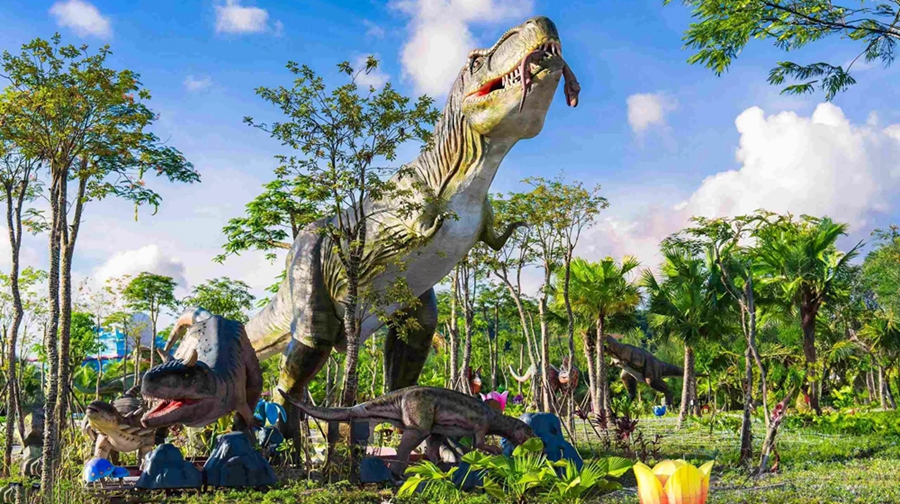
Wildlife has always attracted human interest, inspiring educational programs, nature exhibitions, entertainment attractions, and conservation projects. However, observing certain animals in their natural habitats is not always possible. Modern manufacturing and motion technology have created new ways to bring wildlife experiences into public spaces through highly detailed mechanical replicas. These creations combine realistic designs with automated movements, allowing visitors to observe animal-inspired behaviors in controlled environments.
Today, Animatronic Animals are widely used in theme parks, museums, shopping centers, educational exhibitions, and entertainment venues. They recreate the appearance and selected movements of different species through mechanical engineering, electronic controls, and artistic craftsmanship. From roaring lions to moving elephants and animated birds, these models offer an engaging alternative to traditional static displays.
What Are Animatronic Animals?
Animatronic animals are mechanical figures designed to reproduce the physical appearance and movements of real or fictional creatures. Unlike ordinary sculptures, they contain internal systems that allow selected body parts to move according to programmed instructions.
Their construction generally combines a supporting framework, motors, actuators, electronic controllers, and an exterior covering designed to resemble natural skin, fur, feathers, or scales.
Depending on their design, animatronic animals may perform several actions, including:
- Turning and nodding their heads.
- Opening and closing their mouths.
- Blinking their eyes.
- Moving their tails.
- Simulating breathing.
- Producing animal-inspired sounds.
- Responding to nearby visitors through sensors.
These features help create more dynamic displays and make animal exhibitions more interesting for different audiences.
Technology Behind Animatronic Animal Models
Developing a realistic animatronic animal requires several technologies to work together. Mechanical engineering provides movement, electronics coordinate operations, and artistic finishing creates the external appearance.
1. Mechanical Framework and Actuators
The internal framework provides structural support and determines how the model moves. Metal components are commonly used to create a stable structure capable of supporting the exterior materials and mechanical equipment.
Motors and actuators generate movement in different body sections. Electric actuators are commonly used for controlled movements, while pneumatic or hydraulic systems may be incorporated into certain larger or specialized designs.
The movement system depends on the animal’s size, weight, required actions, and intended operating environment.
2. Electronic Control Systems
Electronic controllers manage the different functions of an animatronic animal. They coordinate movement sequences, sound effects, sensor responses, and other programmed operations.
Some models operate through automatic cycles, while more advanced versions support remote control or interactive activation.
These systems allow operators to adjust performance timing and select different movement patterns according to the requirements of an attraction.
3. Realistic Exterior Materials
The exterior covering plays an important role in reproducing the animal’s natural appearance.
Manufacturers may use silicone, specialized rubber, latex, fiberglass, and other materials depending on the model’s design.
Artists carefully develop surface details such as fur patterns, scales, feathers, wrinkles, and natural color variations. The finishing process helps conceal internal mechanical components while maintaining a convincing appearance.
4. Sound and Audio Integration
Sound effects contribute to the overall realism of an animatronic display.
Integrated speakers may reproduce animal calls, roars, growls, breathing sounds, or other species-related audio. These effects can be synchronized with movements to create a more natural presentation.
For example, a mechanical lion may open its mouth while producing a roar, or an elephant model may move its trunk while playing a trumpet sound.
Popular Types of Animatronic Animals
Animatronic technology can be applied to a wide range of animal species. The selection usually depends on the exhibition theme, available space, and target audience.
Lions and Other Big Cats
Lions, tigers, and other large cats are popular choices for wildlife-themed attractions.
Their recognizable physical characteristics make them suitable for realistic mechanical displays. Models may feature head movement, jaw animation, blinking eyes, and roaring effects.
These figures are frequently used in jungle-themed environments, wildlife exhibitions, and educational attractions.
Elephants
Elephant models are especially impressive because of their large size and distinctive physical features.
Animatronic versions may include moving trunks, swaying heads, blinking eyes, and simulated breathing. Their detailed appearance makes them suitable for large exhibitions and nature-themed installations.
Giraffes and Zebras
Giraffes and zebras are commonly used in safari-themed displays.
Giraffe models can feature neck and head movements, while zebra figures may include tail and body movements. Their distinctive shapes and markings help create visually interesting wildlife environments.
Birds and Reptiles
Birds and reptiles provide additional variety for animatronic exhibitions.
Mechanical birds may reproduce wing movements, head turning, and beak actions. Reptile models can include tongue movement, head motion, and body animations.
These figures are particularly useful in educational displays focusing on biodiversity and animal adaptations.
Marine Animals
Animatronic marine creatures can help recreate underwater environments in aquariums, museums, and themed exhibitions.
Popular choices include dolphins, sharks, whales, turtles, and other aquatic species. Depending on the design, models may simulate swimming movements, tail motion, or mouth movement.
Applications of Animatronic Animals in Different Industries
The flexibility of animatronic technology makes it useful across several industries.
Theme Parks and Entertainment Attractions
Theme parks use animatronic animals to create immersive environments and themed adventures.
Mechanical wildlife figures can be positioned along walking trails, inside jungle-themed buildings, or as part of interactive rides. Their movements and sound effects help establish a more engaging atmosphere.
Some attractions combine multiple animal models with artificial plants, rocks, water features, and environmental audio to recreate natural habitats.
Museums and Educational Centers
Museums use animatronic animals to make wildlife education more interactive.
Visitors can observe realistic representations of different species while learning about their anatomy, habitats, diets, and behavior.
These displays are especially useful when discussing endangered animals or species that are difficult to observe directly.
Educational signs and digital information panels can provide additional context and improve the learning experience.
Shopping Malls and Commercial Exhibitions
Shopping centers frequently use animatronic animals as visual attractions for families and children.
Large mechanical figures can become central features of themed exhibitions, promotional events, and seasonal decorations.
Their unusual appearance and interactive functions can encourage visitors to explore different areas of a commercial venue.
Zoos and Wildlife Awareness Programs
Animatronic models can complement wildlife education activities by providing representations of animals without using live creatures.
They may be installed in educational zones, conservation exhibitions, and visitor information areas.
Such displays can introduce visitors to animal characteristics and conservation challenges while supporting educational messaging.
Film, Television, and Stage Productions
Animatronic technology also has applications in entertainment production.
Mechanical animal figures can be used in theatrical performances, film scenes, television programs, and live demonstrations when a practical physical creature is needed.
Their appearance and movement capabilities can be customized to suit particular creative requirements.
Benefits of Using Animatronic Animals
Animatronic animal displays offer several advantages for organizations involved in education, entertainment, and exhibition planning.
Realistic presentation: Detailed exterior designs and programmed movements create convincing animal representations.
Educational opportunities: Visitors can learn about different species and their physical characteristics through visual demonstrations.
Interactive experiences: Sensor-based systems and movement sequences encourage visitor participation.
Flexible installation: Models can be developed for indoor exhibitions, outdoor attractions, museums, and commercial environments.
Controlled operation: Unlike live animals, mechanical figures do not require animal feeding, veterinary treatment, or habitat management, although they still need technical maintenance.
Creative customization: Manufacturers can adjust the appearance, size, movement patterns, and sound effects to match different project requirements.
These advantages make animatronic animals a useful option for organizations seeking engaging wildlife-themed attractions.
How to Choose the Right Animatronic Animal Model
Selecting the right model requires consideration of the project’s objectives, available space, budget, and operating environment.
Define the Purpose of the Installation
Start by identifying whether the model will be used for entertainment, education, decoration, or interactive activities.
A museum may prioritize anatomical accuracy, while a theme park may focus on movement capabilities and visual impact.
The intended purpose helps determine the appropriate species, design, and technical features.
Evaluate Size and Design
The model should fit comfortably within the installation area.
Consider its height, length, width, and movement range. Large models may require additional structural support and specialized transportation arrangements.
The exterior design should also match the overall theme of the exhibition.
Check Materials and Durability
Ask about the materials used for the internal framework and exterior covering.
For outdoor installations, weather resistance is particularly important. Protective coatings and suitable electrical enclosures can help reduce the effects of rain, sunlight, humidity, and dust.
Review Movement and Interactive Functions
Not every animatronic model includes the same mechanical features.
Buyers should request videos demonstrating the actual movements, sound functions, and sensor responses.
It is also useful to understand whether movement sequences can be adjusted or customized.
Consider Manufacturer Experience
Review previous projects, product photographs, technical specifications, and available customer feedback.
A capable manufacturer should be able to explain production methods, customization possibilities, delivery arrangements, and after-sales support.
Maintenance and Safety Considerations
Regular maintenance is necessary to keep animatronic animals functioning correctly.
Mechanical components experience wear through repeated operation, while exterior materials may deteriorate because of environmental exposure.
Important maintenance activities include:
- Inspecting motors and actuators.
- Checking mechanical joints and connections.
- Testing electronic controllers and sensors.
- Examining exterior materials for cracks or damage.
- Cleaning surfaces using suitable methods.
- Checking sound systems and electrical connections.
Safety is equally important, especially in public exhibitions. Moving components should be properly protected, electrical installations should meet applicable standards, and emergency shutdown systems should be accessible to authorized operators.
Outdoor installations may require additional inspections to ensure that environmental conditions have not affected structural stability or electrical protection.
Future Developments in Animatronic Animal Technology
Advancements in robotics, artificial intelligence, and manufacturing materials continue to expand the possibilities of animatronic animal design.
Improved actuators and control systems may produce smoother movements and more natural-looking actions. New flexible materials can also help manufacturers create increasingly detailed exterior surfaces.
Artificial intelligence and advanced sensors could allow certain models to respond more dynamically to visitor activity.
Augmented reality may provide another opportunity to combine physical animal replicas with digital information about habitats, anatomy, and wildlife conservation.
These developments could make future animal exhibitions more immersive and informative.
Conclusion
Animatronic animals combine mechanical engineering, electronic technology, and detailed artistic design to create realistic wildlife experiences. Their ability to reproduce animal movements, sounds, and physical features makes them valuable attractions for theme parks, museums, educational centers, and commercial exhibitions.
Choosing suitable models requires attention to construction quality, movement capabilities, materials, installation conditions, and maintenance requirements. With proper planning and reliable manufacturing, animatronic animal displays can provide engaging experiences while helping visitors develop a greater appreciation for the natural world.