
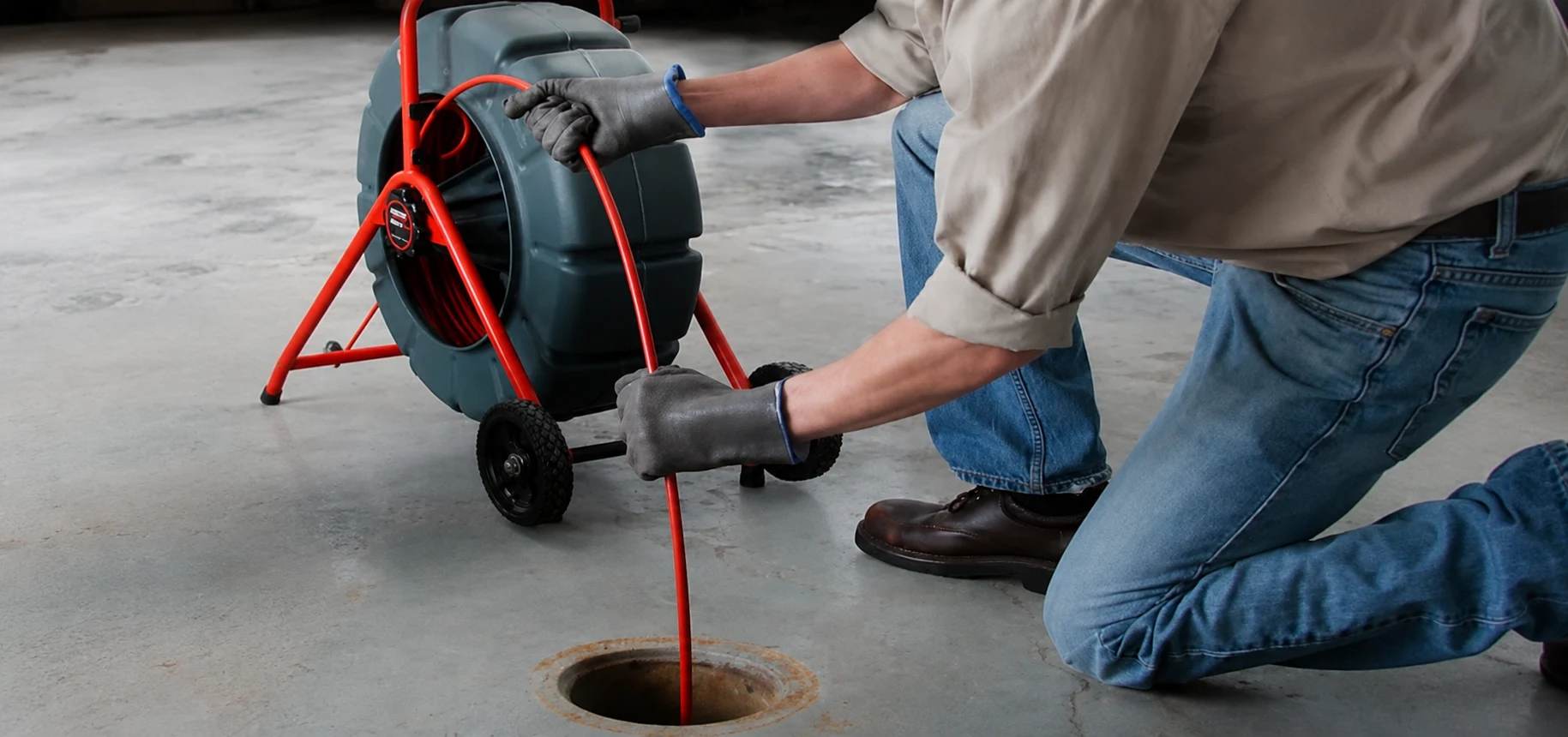
Maintaining clean and functional drainage systems is essential for residential properties, commercial buildings, and industrial facilities. Over time, sewer pipes collect grease, sludge, sediment, mineral deposits, and other debris that can restrict wastewater flow. If these materials are not removed, they may lead to recurring blockages, unpleasant odors, and costly plumbing repairs. Professional water jetting equipment provides an effective way to clean suitable drainage lines and support regular maintenance.
What Is a Sewer Jet Machine?
A sewer jet machine is specialized equipment that uses high-pressure water to remove obstructions and accumulated deposits from sewer pipes. It typically consists of a pump, motor or engine, high-pressure hose, water supply connection, and a specially designed cleaning nozzle.
The pump sends pressurized water through the hose, while the nozzle directs it toward the pipe walls and blockage. This action helps loosen stubborn material and flush it through the drainage system.
A professional Sewer Jet Machine can be used for different cleaning applications, provided its pressure, flow rate, and accessories are suitable for the pipe dimensions and condition. Compared with basic drain-cleaning methods, water jetting can clean a larger section of the pipe interior rather than simply opening a narrow passage through an obstruction.
How Sewer Jetting Technology Works
The operation of sewer jetting equipment involves a controlled process that combines water pressure, flow, and nozzle design.
1. Initial Drainage Inspection
Before cleaning begins, technicians assess the drainage line to understand the location and nature of the blockage. They may use inspection cameras or other diagnostic tools to check for accumulated debris, damaged sections, or root intrusion.
2. Equipment Preparation
The appropriate machine, hose, and nozzle are selected according to the pipe diameter, cleaning requirements, and operating conditions. Pressure settings should be chosen carefully to avoid damaging vulnerable pipes.
3. Hose and Nozzle Insertion
The high-pressure hose is introduced through a suitable access point. The nozzle is positioned to direct water through the drainage line and toward the affected area.
4. High-Pressure Water Cleaning
The machine releases controlled streams of water through the nozzle. These streams help break apart grease, sludge, sediment, and other deposits attached to the pipe interior.
5. Flushing and Final Assessment
The loosened debris is carried through the drainage system. Once cleaning is complete, technicians assess the pipe to determine whether water flow has improved and whether additional work is required.
Common Drainage Problems Sewer Jet Machines Can Address
Water jetting equipment is useful for removing several types of accumulated waste from suitable pipes.
Grease and Fat Buildup
Commercial kitchens, restaurants, and food-processing facilities frequently deal with grease entering drainage lines. As fats and oils cool, they can stick to pipe walls and gradually form thick deposits.
High-pressure water helps loosen these materials and flush them from the system. Periodic cleaning can be particularly useful in facilities with heavy kitchen activity.
Sludge and Sediment Accumulation
Soil, sand, silt, and organic residue can enter underground drainage networks and settle inside pipes. Over time, this buildup reduces the available space for wastewater movement.
Jetting helps dislodge accumulated sediment and carry it through the drainage line.
Soap Residue and Mineral Deposits
Bathroom and utility pipes may collect soap residue and mineral buildup. These deposits can gradually narrow the pipe interior and contribute to slow drainage. Suitable jetting equipment can help remove certain types of residue.
Organic Debris and Root Intrusion
Leaves and other organic materials can enter outdoor drainage systems and contribute to blockages. Water jetting may also remove some root growth, depending on its extent and the equipment used. However, recurring root intrusion usually requires structural repairs to prevent further problems.
Benefits of Using Sewer Jetting Equipment
Professional sewer cleaning equipment offers several practical advantages for drainage maintenance.
Thorough pipe cleaning: Water streams can remove deposits from internal pipe surfaces, helping address buildup that basic cleaning methods may leave behind.
Improved wastewater flow: Clearing accumulated material restores space inside pipes and supports more efficient drainage.
Reduced recurring blockages: Removing grease, sludge, and residue can reduce the material that contributes to repeated obstructions.
Chemical-free cleaning: The process uses pressurized water rather than relying on chemical drain cleaners.
Versatile applications: Different machines and nozzle configurations can support residential, commercial, industrial, and municipal cleaning tasks.
Preventive maintenance: Scheduled jetting can help control buildup before it develops into a more serious drainage problem.
Choosing the Right Sewer Jet Machine
Selecting appropriate equipment is essential for effective cleaning and reliable operation. The machine should match the drainage system, the expected workload, and the type of blockages commonly encountered.
Pressure and Water Flow
Pressure helps loosen stubborn deposits, while water flow helps transport the dislodged material through the pipe. Both specifications should be evaluated together rather than relying on pressure ratings alone.
Pump and Power Source
The pump generates the pressure required for cleaning. Buyers should consider pump quality, expected operating hours, servicing requirements, and available power options, including electric, petrol, or diesel systems.
Hose Length and Construction
The hose should provide sufficient reach for the drainage lines being serviced. Durable materials, suitable pressure ratings, and reliable connections are important for safe operation.
Nozzle Selection
Different nozzles are designed for different cleaning tasks. Penetrating nozzles, flushing nozzles, and rotating designs may be used depending on the blockage and pipe conditions.
Portability and Storage
Service providers working at multiple locations may benefit from machines with wheels, handles, compact frames, and convenient hose storage.
Maintenance and Technical Support
Equipment with accessible replacement parts, clear servicing instructions, and dependable technical support can help reduce downtime and improve long-term value.
Safety Guidelines for Effective Sewer Jetting
High-pressure water equipment requires careful handling. Incorrect operation can cause injuries or damage pipes, particularly when the drainage system is already weakened.
Follow these precautions during cleaning:
- Inspect hoses, fittings, and connections before starting the machine.
- Check the pipe condition and confirm that it is suitable for jetting.
- Select operating pressure according to the manufacturer’s recommendations.
- Wear suitable protective clothing, gloves, eye protection, and footwear.
- Keep people and animals away from the operating area.
- Never direct pressurized water toward people or electrical equipment.
- Follow the manufacturer’s operating and maintenance instructions.
If a pipe is cracked, collapsed, or severely corroded, it may need repair or replacement rather than high-pressure cleaning.
Best Practices for Long-Term Drainage Maintenance
Using jetting equipment is only one part of an effective maintenance strategy. Regular inspections and responsible waste disposal also help protect sewer infrastructure.
- Avoid pouring cooking oils, fats, and grease into drains.
- Use suitable screens to prevent solid waste from entering pipes.
- Arrange periodic inspections for drainage systems with heavy usage.
- Investigate slow drainage and recurring odors promptly.
- Keep records of cleaning activities and previous blockages.
- Schedule professional cleaning according to the pipe condition and maintenance requirements.
A preventive approach allows property owners and facility managers to identify problems early and reduce the likelihood of unexpected drainage interruptions.
Applications Across Different Industries
Sewer jetting machines are used in many environments where reliable wastewater movement is important.
Residential properties: Cleaning household sewer connections, outdoor drains, and suitable plumbing lines.
Restaurants and hotels: Removing grease and accumulated waste from kitchen and building drainage systems.
Commercial buildings: Maintaining wastewater networks in offices, shopping centers, and public facilities.
Industrial operations: Cleaning suitable drainage pipes affected by sludge, sediment, and process-related residue.
Municipal services: Supporting the maintenance of public sewer networks and underground drainage infrastructure.
Each application requires equipment with specifications appropriate to the pipe size, blockage type, and working environment.
Conclusion
A sewer jet machine is an effective tool for maintaining suitable drainage systems by removing grease, sludge, sediment, and other accumulated debris. Its high-pressure water technology helps clean pipe interiors, restore wastewater flow, and reduce the conditions that contribute to recurring blockages.
For reliable results, operators must select equipment that matches the drainage requirements, inspect pipes before cleaning, and follow proper safety procedures. Combined with regular inspections and preventive maintenance, sewer jetting can help protect plumbing infrastructure and support efficient wastewater management.