
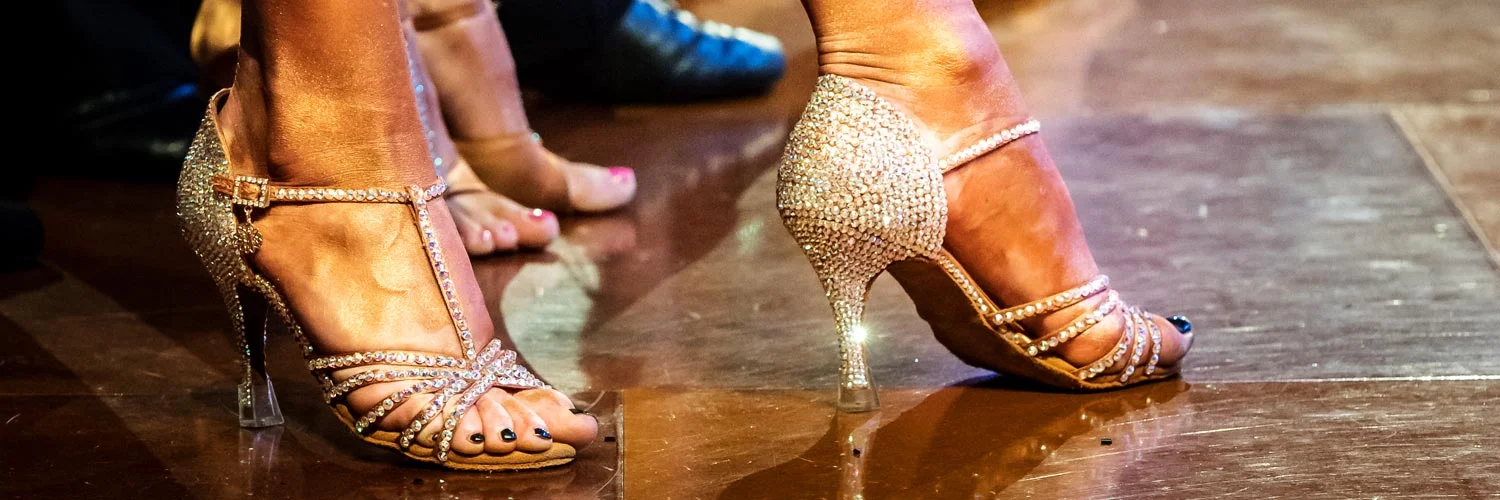
The sole of a Latin dance shoe plays a crucial role in how a dancer moves, turns, and maintains control on the dance floor. While heel height, color, and overall design often attract the most attention, sole material and construction can have an equally significant impact on comfort and performance. The right sole helps dancers manage traction, execute controlled pivots, and move confidently through different routines.
When shopping for Custom Latin Dance Shoes, it is important to consider more than appearance and fit. Understanding the differences between sole materials, flexibility, grip, and durability can help you select footwear that suits your dancing style. Whether you practice salsa, cha-cha, rumba, or other Latin dances, choosing an appropriate sole can support your technique and improve your overall experience.
Why the Sole Matters in Latin Dance Shoes
Latin dancing involves rapid footwork, weight transfers, turns, and changes in direction. These movements require a careful balance between traction and the ability to pivot. A sole that grips too aggressively may restrict rotation, while one that is excessively slippery can make controlled movement difficult.
The sole also affects how closely dancers feel connected to the floor. Some prefer a flexible design that allows natural foot articulation, while others value a more structured feel for particular movements.
There is no single sole that works best for every dancer. Your preferred dance styles, experience level, training environment, and the condition of the floor should all influence your choice.
Suede Soles: A Popular Choice for Indoor Latin Dancing
Suede is commonly used in traditional Latin dance shoes because it offers a useful balance of traction and controlled movement on suitable indoor surfaces.
Its textured fibers help create friction without the same level of grip associated with many rubber outsoles. This can make it easier to execute pivots and turns while maintaining a degree of control during weight transfers.
Benefits of Suede Soles
Suede soles offer several practical advantages for dancers:
- Controlled pivoting: They can support turns without excessive resistance on appropriate dance floors.
- Floor awareness: Their relatively thin construction can help dancers feel the surface beneath their feet.
- Flexible movement: Many suede-soled designs allow the foot to articulate naturally during Latin steps.
- Traditional dance styling: Suede is widely associated with specialist ballroom and Latin dance footwear.
However, suede requires regular maintenance. Dust and compacted fibers can change the way the sole interacts with the floor, so occasional brushing with a suitable dance-shoe brush may be necessary.
Suede is generally intended for indoor use and can wear down more quickly when exposed to pavement, moisture, or rough outdoor surfaces.
Leather Soles: Structure and Durability
Leather soles are another option found in dance footwear. Depending on the leather, finish, and construction, they may provide a firmer feel and a different level of friction compared with suede.
Some dancers appreciate the more structured sensation of leather, while others prefer suede for its familiar performance characteristics. Neither material is automatically superior; suitability depends on the dancer’s technique and the intended floor surface.
Before choosing leather soles, ask the manufacturer how the specific material performs during turns and whether it is designed for your preferred dance environment.
It is also important to distinguish between leather used for the sole and leather used for the upper. These components serve different purposes and may require different care routines.
Rubber Soles: When Are They Suitable?
Rubber soles are often associated with everyday footwear because they can provide traction and abrasion resistance on a variety of surfaces. Some dance shoes use rubber or specialized synthetic sole materials, depending on their intended purpose.
For traditional indoor Latin dancing, however, a high-grip rubber outsole may make pivots more difficult. Excessive friction can interfere with turning technique and may place additional stress on the ankles or knees if the foot catches unexpectedly.
Rubber or synthetic soles may be appropriate for particular practice settings, outdoor dance events, or multipurpose footwear. The important consideration is whether the sole has been designed for the movements you perform.
Do not assume that a sole is suitable for Latin dancing simply because it is durable or comfortable for walking. Check the manufacturer’s intended use before purchasing.
Finding the Right Balance Between Grip and Slip
A suitable dance shoe sole should provide predictable traction without preventing controlled rotation. Finding this balance is particularly important in salsa, cha-cha, rumba, and other styles that involve frequent turns and directional changes.
Too much grip can make the foot feel anchored to the floor during a pivot. Too little traction can cause unexpected slipping, especially when the surface is dusty, polished, or otherwise unsuitable.
The ideal balance depends on several factors:
- The type and condition of the dance floor.
- Your technique and level of experience.
- The speed and complexity of your movements.
- The sole material and its current condition.
- Your familiarity with the footwear.
Test new shoes gradually on an appropriate dance floor. Begin with basic steps and controlled turns before attempting faster or more demanding movements.
Avoid trying to solve traction problems by deliberately making the sole excessively slippery or rough. If the shoe does not perform predictably, reassess the sole, floor conditions, and maintenance requirements.
Why Sole Flexibility Matters
Flexibility affects how naturally a shoe moves with the foot. Latin dancing frequently involves pointing the toes, shifting weight through the forefoot, and adjusting foot position during rhythmic sequences.
A flexible sole may help experienced dancers articulate their feet and transition smoothly between movements. However, excessive flexibility or inadequate structural support may not suit every dancer.
Beginners may prefer footwear that feels secure and manageable while they develop balance and coordination. More experienced dancers may have specific preferences based on their technique and training demands.
When evaluating flexibility, gently assess how the shoe bends through the forefoot. It should accommodate the movements required by your dance style without folding awkwardly or feeling unstable.
Do not judge flexibility by softness alone. Overall construction, fit, and heel stability also influence how a shoe performs.
Sole Thickness and Floor Sensitivity
Sole thickness can affect the sensation of dancing and the amount of feedback a dancer receives from the floor. Many specialist Latin shoes use relatively thin soles to allow controlled movement and a close connection to the surface.
A thinner sole may provide greater floor awareness, which some dancers value when refining foot placement. However, the ideal thickness depends on the design, the materials used, and the support provided by the rest of the shoe.
A sole that is too thin for your needs may feel uncomfortable during extended practice, while a thicker or more rigid construction may alter flexibility and floor feedback.
Consider how long you dance during a typical session and whether you prefer a close-to-the-floor sensation or a more substantial feel underfoot. Comfort and control should guide the decision rather than thickness alone.
Match the Sole to Your Dance Style
Although many Latin dance styles share similar footwear requirements, their movements can create different preferences.
Salsa
Salsa often includes quick directional changes, spins, and repeated weight transfers. A sole that allows controlled pivots while providing predictable traction can help dancers move confidently through these sequences.
Cha-Cha
Cha-cha emphasizes crisp steps and rhythmic precision. Dancers may benefit from footwear that allows natural forefoot movement and reliable contact with the floor.
Rumba
Rumba often features deliberate weight shifts and expressive footwork. A sole that supports controlled placement and smooth transitions may be particularly appealing.
Samba and Jive
These energetic styles involve repeated rhythmic movements and quick transitions. Secure footwear and predictable traction are important, although individual preferences will vary with technique and choreography.
If you practice several styles, consider a versatile indoor Latin sole rather than choosing one based on a single movement. A dance instructor or specialist retailer can help you assess the options for your particular needs.
Consider Your Dance Floor
The same sole may feel different on different surfaces. A clean studio floor, a polished ballroom floor, and a temporary event floor can offer different levels of friction.
Before choosing a sole, consider where you spend most of your time dancing. If you train in a dedicated studio, a traditional indoor dance sole may be suitable. If you regularly perform at venues with unfamiliar surfaces, ask the organizer or instructor about the floor conditions whenever possible.
Keep in mind that even appropriate footwear can become unpredictable on floors covered with dust, moisture, or residue. Inspect the surface before dancing and avoid movements that feel unsafe.
For outdoor events, check whether your shoes are designed for the surface. Specialist indoor dance soles are generally not intended for rough outdoor use.
How to Maintain the Sole of Your Dance Shoes
Regular maintenance helps preserve sole performance and can extend the useful life of your footwear.
For suede soles, use a suitable dance-shoe brush to remove compacted dust and lift the fibers when needed. Brush gently rather than scraping aggressively, as excessive abrasion can wear away the suede.
Keep the soles dry and avoid walking outdoors in shoes intended for indoor dancing. Dirt, moisture, and rough surfaces can affect traction and accelerate wear.
For leather or synthetic soles, follow the manufacturer’s cleaning instructions. Avoid applying oils, household cleaners, or other treatments unless they are specifically recommended for the material.
Inspect your soles regularly for thinning, separation, unusual smoothness, or other signs of deterioration. If the shoes begin slipping unexpectedly or no longer provide predictable movement, investigate the cause before using them for demanding routines.
Questions to Ask Before Ordering Custom Dance Shoes
When selecting personalized Latin dance footwear, ask specific questions about the sole rather than focusing exclusively on the upper design or heel.
Useful questions include:
- Which sole materials are available for my preferred dance styles?
- Are the soles intended for indoor use, outdoor use, or both?
- How much flexibility does the design provide?
- What maintenance is required to preserve traction?
- Can the sole be replaced or repaired when it wears down?
- Is the sole suitable for the floors where I practice most often?
Also consider how the sole works with the shoe’s heel, fit, and overall construction. A suitable sole cannot compensate for a loose fit or an unstable heel.
Clear answers from the manufacturer can help you choose footwear that meets your practical requirements and avoid unexpected limitations after purchase.
Final Thoughts
The sole is one of the most important features to evaluate when choosing Latin dance footwear. Material, flexibility, thickness, traction, and maintenance all influence how a shoe feels during turns, weight transfers, and rhythmic footwork.
Suede is a popular choice for indoor Latin dancing because it can offer a useful balance between grip and controlled rotation. Leather and specialized synthetic options may also suit certain dancers and environments, depending on their construction and intended use.
Before choosing a pair, consider your dance style, experience, preferred floor surface, and maintenance routine. The best sole is one that provides predictable traction, accommodates natural movement, and supports your technique without sacrificing comfort or stability.