
Choosing where to travel and learn as a family involves more than picking an interesting destination. Families considering worldschooling often compare factors such as culture, cost of living, transportation, educational opportunities, climate, and access to other traveling families.
When comparing Worldschool Hubs Europe / Asia, it helps to look beyond individual destinations and consider how each region may fit your family’s travel and learning preferences. Europe and Asia offer diverse environments, so the right choice ultimately depends on your family’s priorities, travel pace, and children’s interests.
Cultural and Educational Experiences
Europe offers extensive opportunities for learning about history, art, architecture, languages, and cultural traditions. Families can explore ancient landmarks, museums, historic cities, and local communities while incorporating these experiences into everyday education.
Asia provides a similarly broad range of learning opportunities, with destinations offering exposure to different languages, religions, traditions, ecosystems, and forms of community life. Children can learn through markets, cultural sites, nature experiences, workshops, and interactions with local residents.
Cost of Family Travel
Travel expenses can vary significantly within both Europe and Asia. Major European cities can have relatively high accommodation and transportation costs, while smaller towns and less-touristed areas may provide different budget options.
Asia also covers a wide range of price levels. Some destinations can be comparatively affordable for families, while major cities and popular tourist areas may have substantially higher costs.
Rather than comparing the regions as a whole, families should research the specific destinations they are considering and create a realistic budget for accommodation, food, transportation, activities, and other necessities.
Transportation and Accessibility
Transportation can influence how easily a family moves between destinations. Many European countries have extensive rail and public transportation networks, which can make regional travel practical without relying heavily on private vehicles.
Asia offers a mixture of transportation systems, from extensive urban rail networks to buses, ferries, domestic flights, and local transportation. The experience can differ considerably between countries and even between urban and rural areas.
Families who plan to move frequently should investigate transportation options before choosing a base.
Climate and Outdoor Activities
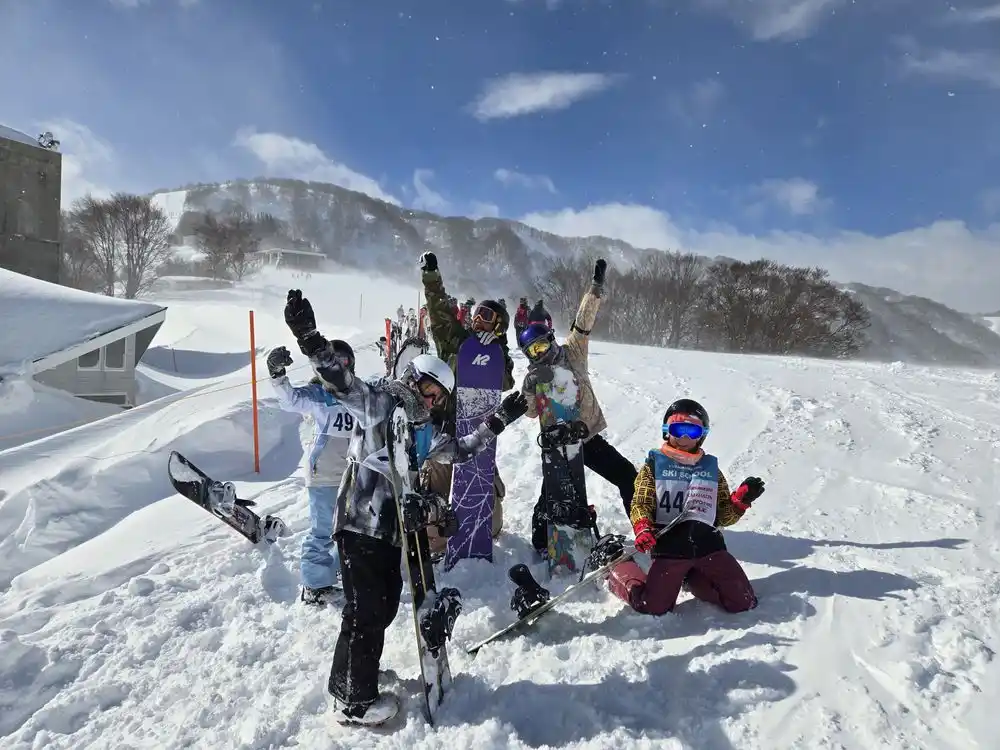
Climate can have a major effect on daily worldschooling life. Europe experiences considerable seasonal variation, with opportunities ranging from summer coastal activities to winter sports and cold-weather cultural experiences.
Asia includes tropical, subtropical, temperate, and mountainous environments. Depending on the destination and season, families may have access to beaches, forests, mountains, islands, and other outdoor settings.
Weather should therefore be considered alongside the timing of your trip rather than treated as a general regional characteristic.
Community and Social Connections
For many families, connecting with other traveling families is an important part of worldschooling. The size and activity level of a community can vary by destination, season, and the number of families staying there at a particular time.
Some locations may have established networks of international families, while others may offer a quieter environment with fewer organized gatherings.
Before choosing a destination, research current community activity and consider whether your family prefers frequent social events or a more independent travel experience.
Language Learning
Both Europe and Asia provide opportunities for children to encounter multiple languages. Spending time in a local community can turn everyday activities into informal language-learning experiences.
Europe can expose families to many different languages within relatively short travel distances. Asia offers similarly broad linguistic diversity, although distances between language communities can be much greater.
Families interested in language learning should consider whether they want to focus deeply on one language or experience several during their travels.
Nature and Hands-On Learning
Worldschooling does not need to take place primarily in cities. Natural environments can become valuable learning spaces for geography, biology, environmental science, and outdoor skills.
Europe includes coastlines, forests, mountains, lakes, and rural landscapes. Asia offers everything from tropical ecosystems and coral reefs to high-altitude regions and extensive forests.
Choosing a destination based on a child’s interests can make these experiences more meaningful. A child interested in marine life, for example, may benefit from a destination where marine ecosystems are easily accessible.
Accommodation and Longer Stays
Families planning extended stays should consider more than short-term hotel availability. Apartments, serviced accommodation, guesthouses, and long-term rentals may offer different levels of comfort and flexibility.
The availability and cost of these options can vary widely between destinations. Families should also consider access to kitchens, laundry facilities, workspaces, reliable internet, and suitable sleeping arrangements.
A comfortable base can make it easier to maintain educational and family routines.
Europe and Asia Offer Different Travel Experiences
There is no single experience that represents either Europe or Asia. Both regions contain large differences between countries, cities, towns, and rural areas.
A European capital can provide a completely different lifestyle from a small coastal community. Likewise, a major Asian city may have very different infrastructure and social dynamics from a rural island or mountain destination.
For this reason, families should compare individual destinations rather than relying only on broad regional assumptions.
Choosing Based on Your Family’s Needs
A useful way to compare potential destinations is to identify your family’s most important requirements first.
Ask yourself:
- What kind of educational experiences are most valuable to your children?
- How much can your family comfortably spend each month?
- Do you prefer a fast or slow travel pace?
- How important is access to a worldschooling community?
- What climate does your family prefer?
- Do you need reliable internet for work or online learning?
- How important are public transportation and healthcare access?
The answers can help you identify destinations that fit your circumstances more effectively than simply choosing a region based on popularity.
Try Before Making a Long-Term Commitment
If your family is considering a longer stay, a short initial visit can be useful. Spending a few weeks in a destination allows you to experience its daily rhythm rather than judging it solely from online research.
Pay attention to how easily your children settle into the environment, how practical transportation feels, whether accommodation meets your needs, and whether you can establish a comfortable routine.
You may discover that a destination you expected to suit your family does not match your lifestyle, or that an unexpected location works particularly well.
Final Thoughts
Europe and Asia both offer diverse possibilities for families combining travel and education. Their differences in culture, cost, climate, transportation, language, and natural environments can shape the worldschooling experience in different ways.
Rather than searching for a universally suitable region, focus on the specific characteristics your family needs. Careful research, flexible planning, and firsthand experience can help you identify a destination where travel and education fit naturally into everyday family life.