
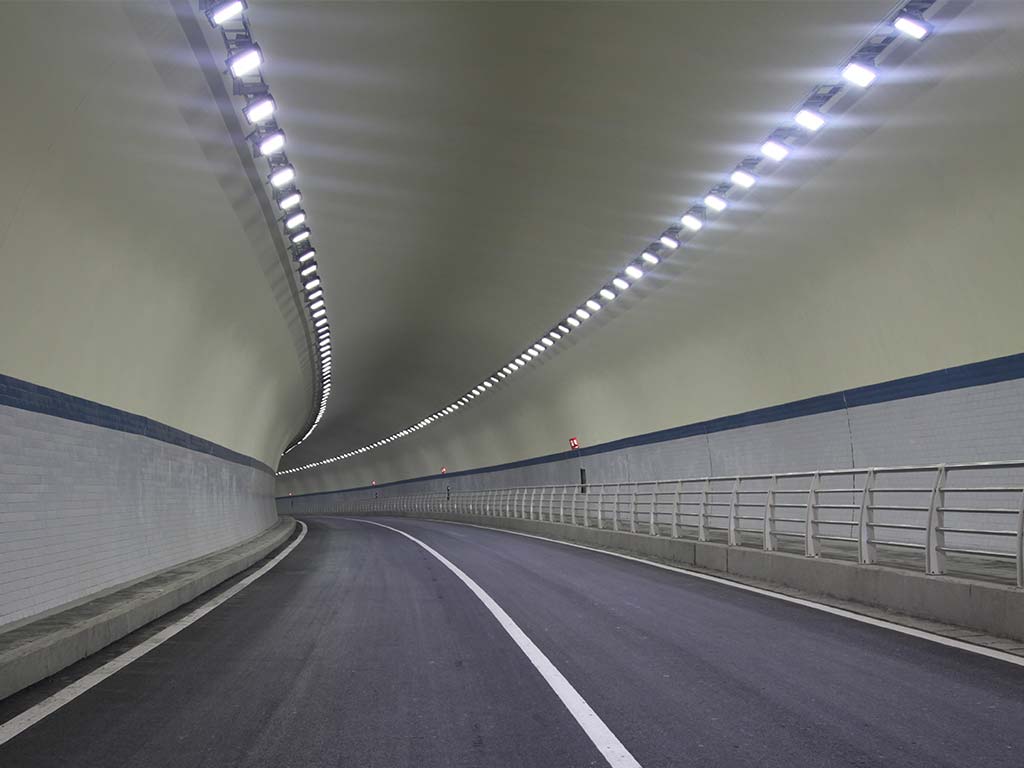
LED tunnel lighting is designed for demanding environments where consistent illumination, controlled glare, and reliable operation are important. Unlike general outdoor lighting, tunnel fixtures must account for factors such as limited daylight, vehicle movement, humidity, dust, and long operating hours.
The manufacturing process therefore involves more than assembling LEDs and a housing. A professional LED Tunnel Lighting Manufacturer typically combines component selection, optical design, thermal engineering, electrical assembly, testing, and quality inspection to produce fixtures suited to tunnel applications.
Component Selection
Manufacturing begins with selecting the components required for the lighting system. These may include LED chips, drivers, circuit boards, lenses, housings, wiring, connectors, and mounting hardware.
Each component can influence the final fixture’s performance. Manufacturers consider electrical characteristics, thermal requirements, durability, and compatibility when determining which parts are appropriate for a particular product design.
LED and Circuit Board Assembly
The LED components are mounted onto a suitable circuit board according to the fixture’s electrical and optical design. Proper positioning is important because LED placement influences light distribution and overall fixture performance.
Assembly procedures need to maintain consistency between units. Manufacturers may inspect soldering, component placement, connections, and board condition before proceeding to later production stages.
Optical System Development
Tunnel lighting requires controlled light distribution because drivers need adequate visibility without unnecessary glare. Optical components such as lenses or reflectors are designed to direct light toward the intended roadway or tunnel area.
The selected beam pattern depends on factors such as mounting position, tunnel geometry, fixture spacing, and lighting requirements. Manufacturers may test optical performance to verify that the fixture produces the intended distribution.
Driver Integration
The LED driver regulates the electrical power supplied to the LED system. During manufacturing, the driver is selected and integrated according to the fixture’s electrical requirements.
Manufacturers may evaluate input voltage, power consumption, power factor, output stability, and protection features. Proper driver integration helps support consistent operation during extended use.
Thermal Management
LED tunnel fixtures can operate for long periods, making heat management an important part of their construction. Excessive heat can affect electronic components and influence long-term performance.
Manufacturers design heat sinks, housings, and thermal interfaces to transfer heat away from critical components. Material selection and component placement are considered as part of the overall thermal design.
Housing Manufacturing
The housing provides structural support and protects internal components from the surrounding environment. It may be produced using materials selected for strength, heat dissipation, corrosion resistance, or other application requirements.
Manufacturing processes can include cutting, casting, extrusion, machining, coating, and other methods depending on the fixture design. Dimensional checks help ensure that components fit together correctly.
Electrical and Mechanical Assembly
Once individual components are prepared, they are assembled into the finished fixture. This stage can include installing the LED board, driver, optical components, wiring, seals, connectors, and mounting hardware.
Assembly teams may follow standardized procedures to maintain consistency. Visual and dimensional inspections can identify loose connections, damaged parts, or assembly errors before testing.
Environmental Protection
Tunnel environments can expose lighting fixtures to moisture, dust, vehicle emissions, temperature changes, and vibration. The fixture’s enclosure and sealing design therefore need to correspond with the intended operating conditions.
Manufacturers may conduct relevant environmental tests to verify protection levels where applicable. The specific requirements depend on the tunnel environment and product specifications.
Electrical and Photometric Testing
Finished fixtures are tested to confirm that they perform according to their specifications. Electrical tests may examine input power, voltage, current, power factor, and other characteristics.
Photometric testing can measure luminous output, beam distribution, color characteristics, and other optical properties. These results help manufacturers verify that the lighting system produces the intended performance.
Thermal and Reliability Testing
Thermal testing allows manufacturers to evaluate operating temperatures under defined conditions. This can help identify potential issues with heat dissipation or component placement.
Extended operation or reliability testing may also be used to observe how fixtures perform over a specified period. These procedures can help identify certain defects before products are released for installation.
Final Quality Inspection
Before shipment, finished fixtures typically undergo a final inspection. Inspectors may check appearance, dimensions, labeling, wiring, mounting components, and overall construction.
Documentation and traceability can also be maintained throughout production. Recording batch information and test results can help manufacturers investigate quality issues and maintain consistency across production runs.
Packaging and Preparation for Delivery
Tunnel lighting fixtures must be packaged carefully to reduce the risk of damage during transportation. Protective materials and suitable packaging configurations can help safeguard optical components, housings, connectors, and other parts.
Manufacturers may also verify product quantities, labels, accessories, and shipping documentation before the order leaves the production facility.
Conclusion
The manufacturing process for LED tunnel lighting involves multiple stages, from component selection and optical design to assembly, thermal management, electrical testing, and final inspection. Each stage contributes to the fixture’s ability to provide consistent illumination under demanding operating conditions.
For buyers and project teams, understanding this process can make it easier to evaluate product specifications and ask relevant questions about manufacturing quality, testing procedures, environmental protection, and long-term performance.