
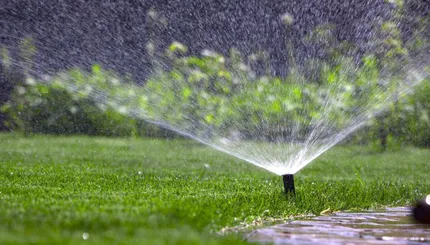
Bulk ordering can make irrigation procurement more organized for farms, nurseries, contractors, landscapers, and other large-scale users. Instead of purchasing individual components as they are needed, buyers can plan a complete order based on the requirements of a specific irrigation project.
When working with Drip Irrigation Wholesale Suppliers, it is important to understand minimum quantities, product specifications, lead times, shipping arrangements, and storage requirements. Careful preparation can help avoid shortages, excess inventory, and unexpected project delays.
Determine Your Irrigation Requirements
Before placing a bulk order, calculate the materials required for the complete irrigation system. Start with the field or growing area’s dimensions, crop spacing, irrigation zones, and water requirements.
A detailed project plan can help determine how much tubing, how many emitters, and how many fittings and other components are needed. This provides a more accurate basis for ordering.
Prepare a Detailed Materials List
Create a list of all components required for installation and maintenance. Depending on the system, this may include:
- Drip tubing or driplines
- Emitters and drippers
- Mainlines and distribution pipes
- Filters
- Pressure regulators
- Valves
- Connectors and fittings
- Flushing components
- Replacement parts
Review the list carefully before requesting a bulk quotation or placing an order.
Understand Minimum Order Quantities
Wholesale suppliers may establish minimum order quantities for specific products or sizes. These requirements can vary depending on the component and order volume.
Ask about minimum quantities before finalizing your materials list. If the required quantity is lower than the minimum, consider whether the additional inventory can be used for future projects or maintenance.
Verify Product Specifications
Bulk purchasing makes it especially important to confirm product specifications before ordering. A mistake involving tubing dimensions, emitter flow rates, or fitting sizes can affect a large quantity of materials.
Verify important details such as:
- Tubing diameter
- Wall thickness
- Emitter spacing
- Flow rate
- Pressure range
- Connection size
- Material type
Matching specifications with the irrigation design can reduce compatibility problems.
Request Samples When Appropriate
For unfamiliar products, samples can provide a useful opportunity to evaluate quality before committing to a large order. Inspect tubing, emitters, fittings, and other components for construction, dimensions, flexibility, and overall condition.
Where practical, test samples under conditions similar to the intended installation.
Compare Bulk Pricing
Bulk orders may offer lower unit costs, but buyers should evaluate the complete purchase price. Shipping, packaging, minimum order requirements, taxes, storage, and other expenses can influence the final cost.
Comparing total delivered costs between different suppliers provides a more accurate basis for making a purchasing decision.
Confirm Production and Delivery Times
Large orders may require additional production or preparation time. Ask about expected lead times before placing the order, especially when supplies are needed for a specific planting or construction schedule.
It is also useful to understand whether different products in the same order will be shipped together or separately.
Plan Transportation and Receiving
Bulk irrigation supplies can occupy considerable storage space and may require suitable transportation arrangements. Confirm how the materials will be packaged and delivered.
When the shipment arrives, check quantities and inspect packaging for visible damage. Any discrepancies should be documented and addressed promptly.
Consider Storage Capacity
Buying in bulk requires an appropriate place to store the materials before installation. Tubing and other plastic components should generally be protected from unnecessary sunlight, excessive heat, moisture, and physical damage.
Small components should be organized and labeled so they can be located easily when needed.
Keep Some Replacement Stock
It can be useful to include a reasonable quantity of replacement components in a bulk order. Extra connectors, fittings, emitters, and other frequently replaced parts can help with future maintenance.
However, avoid purchasing excessive quantities that may remain unused or become unsuitable if the irrigation design changes.
Consider Future Expansion
If additional fields, crop rows, greenhouse sections, or nursery areas may be added later, future requirements can be considered during the initial purchasing process.
Ordering compatible components in advance may simplify future expansion, provided the additional inventory can be stored properly and the specifications are unlikely to change.
Establish Clear Communication
Clear communication is important when managing a large order. Confirm product specifications, quantities, packaging, delivery schedules, and documentation before the order is finalized.
Keeping written records of agreed specifications can also make repeat ordering easier and help prevent misunderstandings.
Inspect the Order Upon Arrival
Do not wait until installation begins to check the shipment. Compare the received quantities with the original order and verify that product specifications match what was requested.
Inspect tubing, fittings, emitters, filters, and other components for visible damage or defects. Early inspection provides more time to resolve potential problems before installation.
Final Considerations
Bulk ordering from Drip Irrigation Wholesale Suppliers can simplify procurement and potentially reduce purchasing costs, but it requires careful planning. Buyers should calculate actual requirements, verify specifications, understand minimum quantities, confirm lead times, and prepare suitable storage.
A well-organized bulk order should cover both immediate installation needs and reasonable maintenance requirements. By reviewing every part of the purchasing process before placing an order, buyers can reduce waste, avoid shortages, and keep irrigation projects running more efficiently.