

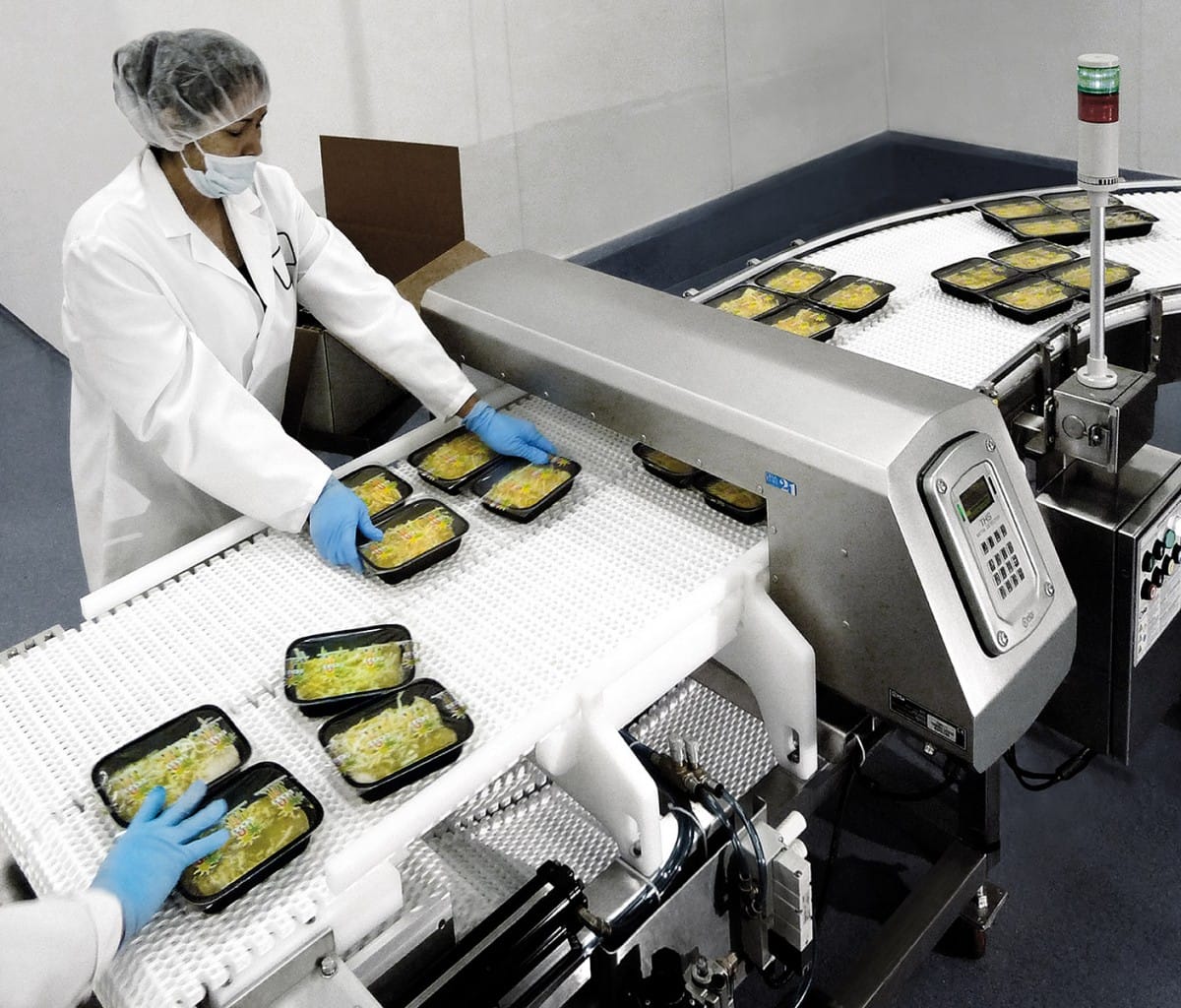
Food safety is a major concern for modern food manufacturers, and reliable inspection equipment plays an important role in preventing contamination risks. Metal detectors help identify unwanted metal particles during production, protecting consumers while helping businesses meet strict quality standards.
Choosing the right inspection system requires careful consideration of product type, production environment, detection requirements, and equipment reliability. This guide explains the key factors to consider when evaluating Food Processing Metal Detectors for Sale for different food manufacturing applications.
Understanding Food Processing Metal Detectors
Food processing metal detectors are specialized inspection systems designed to identify metal contaminants in food products during manufacturing. They are commonly installed at different stages of production to monitor product quality before packaging and distribution.
These systems can detect various types of metal contamination, including:
- Ferrous metals
- Non-ferrous metals
- Stainless steel particles
By identifying contaminants early, metal detectors help reduce product recalls, protect equipment, and improve overall food safety.
Types of Food Processing Metal Detectors
Different production environments require different types of metal detection systems. Understanding the available options helps businesses choose equipment that matches their operational needs.
Conveyor Belt Metal Detectors
Conveyor metal detectors are widely used in food processing facilities because they can inspect products continuously during production.
They are suitable for applications such as:
- Packaged foods
- Bakery products
- Frozen foods
- Meat products
- Snack foods
These systems are ideal for high-speed production lines where efficient inspection is required.
Pipeline Metal Detectors
Pipeline metal detectors are designed for liquid and semi-liquid food products. They inspect products as they flow through enclosed pipes, making them suitable for hygienic processing environments.
Common applications include:
- Sauces
- Dairy products
- Beverages
- Liquid ingredients
Gravity-Fed Metal Detectors
Gravity-fed systems are used for free-flowing products that move vertically through processing equipment.
They are commonly used for:
- Flour
- Rice
- Sugar
- Spices
- Powder products
Their compact design makes them suitable for ingredient processing operations.
Key Features to Consider Before Buying
Selecting the right metal detector requires evaluating several important features that affect performance and usability.
Detection Sensitivity
Detection sensitivity determines how effectively the equipment can identify small metal contaminants. A high-quality system should provide accurate detection while minimizing false rejects.
The required sensitivity depends on factors such as:
- Product characteristics
- Production speed
- Industry requirements
- Contaminant risk level
Product Compatibility
Different foods create different inspection challenges. Moisture content, temperature, texture, and packaging materials can influence detection performance.
Before purchasing, consider whether the equipment is suitable for your specific products and processing conditions.
Construction Quality
Food processing equipment must withstand demanding environments. Durable construction materials, especially stainless steel designs, help improve equipment lifespan and support hygiene requirements.
Important design features include:
- Corrosion resistance
- Easy cleaning surfaces
- Strong protective housing
- Reliable internal components
User-Friendly Operation
Modern metal detectors often include digital displays and simple control systems that make operation easier for production staff.
Useful features may include:
- Touchscreen controls
- Automatic product settings
- Alarm notifications
- Performance monitoring
Easy operation reduces training time and helps maintain consistent inspection processes.
Consider Production Line Requirements
Before purchasing a metal detector, evaluate how it will fit into your existing production system.
Important considerations include:
- Conveyor size
- Production speed
- Available installation space
- Product dimensions
- Packaging type
- Required reject mechanism
Choosing equipment that matches your production setup helps avoid compatibility issues and improves efficiency.
Evaluate Maintenance and Support
Long-term equipment performance depends on proper maintenance and reliable technical support. A good supplier should provide guidance for installation, operation, calibration, and servicing.
Consider whether the manufacturer offers:
- Technical assistance
- Spare parts availability
- Maintenance recommendations
- Operator training
- Equipment upgrades
Strong support helps reduce downtime and extends equipment service life.
Compare Total Value Instead of Price
The lowest purchase price does not always provide the best value. In food processing, unreliable equipment can lead to production delays, higher maintenance costs, and increased safety risks.
When comparing options, consider:
- Equipment durability
- Detection accuracy
- Operating costs
- Maintenance requirements
- Expected lifespan
A reliable investment can provide better performance and lower costs over time.
Importance of Compliance and Quality Standards
Food manufacturers often need to follow strict safety regulations and customer requirements. Metal detection systems should support food safety programs such as HACCP and other quality management procedures.
Equipment that provides accurate inspection records and consistent performance can make compliance easier and improve quality assurance processes.
Conclusion
Buying the right food processing metal detector requires careful evaluation of detection performance, product compatibility, construction quality, operational features, and long-term support. The best system is one that fits your production needs while providing reliable contamination detection and efficient operation. By understanding these factors, food manufacturers can make informed purchasing decisions and strengthen their food safety processes.