

In pharmaceutical and nutraceutical manufacturing, equipment selection plays a decisive role in determining production efficiency, product quality, and long-term operational stability. Capsule production, in particular, requires precision machinery capable of handling different formulations while maintaining consistent dosage and hygiene standards. Choosing the right system is therefore a strategic decision rather than just a technical purchase.
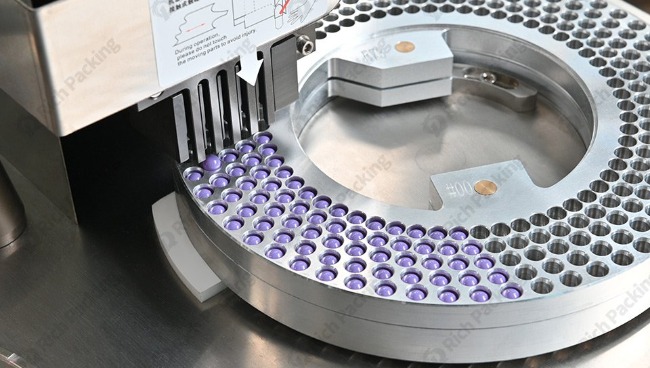
An encapsulation machine is widely used in modern production environments to automate the process of filling empty capsules with powders, granules, or other formulations. Selecting the right model depends on multiple factors, including production scale, material characteristics, regulatory requirements, and future expansion plans.
Understanding Production Requirements First
Before selecting any capsule filling system, manufacturers must clearly define their production needs. This helps avoid overinvestment or choosing a machine that cannot meet long-term demand.
Key considerations include:
- Daily and monthly production volume targets
- Types of formulations being processed
- Capsule sizes required for production
- Level of automation needed
- Available production space and infrastructure
A clear understanding of these factors ensures better alignment between machine capability and operational goals.
Types of Encapsulation Systems Available
Different types of capsule filling machines are designed for different production scales. Choosing the right category is essential for efficiency and cost control.
Common types include:
- Manual capsule filling machines for very small-scale production
- Semi-automatic systems for medium production capacity
- Fully automatic machines for large-scale industrial use
Each type offers a different balance of speed, cost, and operational complexity, making it important to match the machine with production requirements.
Machine Build Quality and Material Standards
Build quality is a critical factor in pharmaceutical environments where hygiene and durability are essential. Machines must be constructed using high-grade materials that meet industry standards.
Important aspects include:
- Stainless steel construction for corrosion resistance
- Smooth surfaces for easy cleaning
- GMP-compliant design for pharmaceutical use
- Long-lasting mechanical components
High-quality construction ensures better hygiene control and reduces long-term maintenance issues.
Accuracy and Filling Performance
One of the most important selection criteria is dosage accuracy. Inconsistent filling can lead to product rejection, regulatory issues, and safety concerns.
When evaluating performance, manufacturers should look for:
- Consistent powder dosing across batches
- Minimal variation in capsule weight
- Stable filling mechanism for different formulations
- Reliable capsule alignment and locking system
Accurate filling ensures product consistency and compliance with pharmaceutical standards.
Flexibility for Different Production Needs
Modern pharmaceutical production often involves multiple product lines. Therefore, flexibility becomes an important feature when choosing equipment.
A good machine should offer:
- Easy adjustment for different capsule sizes
- Quick changeover between production batches
- Compatibility with various powder and granule types
- Scalable production settings
Flexibility allows manufacturers to respond quickly to changing market demands.
Operational Efficiency and Ease of Use
Ease of operation is another important factor, especially for facilities with multiple operators or frequent staff changes. A user-friendly system improves productivity and reduces training time.
Key features to consider:
- Simple control interface
- Easy setup and adjustment process
- Minimal operator dependency
- Clear maintenance guidelines
Machines that are easy to operate help maintain consistent production without requiring highly specialized skills.
Maintenance and Long-Term Reliability
Maintenance requirements directly impact machine lifespan and operational cost. Choosing equipment that is easy to clean and service ensures long-term efficiency.
Important maintenance considerations include:
- Availability of spare parts
- Frequency of servicing required
- Ease of cleaning and disassembly
- Durability of moving components
A reliable system reduces downtime and supports continuous production.
Conclusion
Selecting the right capsule production equipment requires careful evaluation of production needs, machine quality, performance, and long-term operational goals. A well-matched system ensures efficient workflow, consistent product quality, and better cost management.
A properly chosen encapsulation system supports scalable production while maintaining accuracy and compliance with pharmaceutical standards. By focusing on flexibility, durability, and performance, manufacturers can ensure stable and efficient capsule production for years to come.