
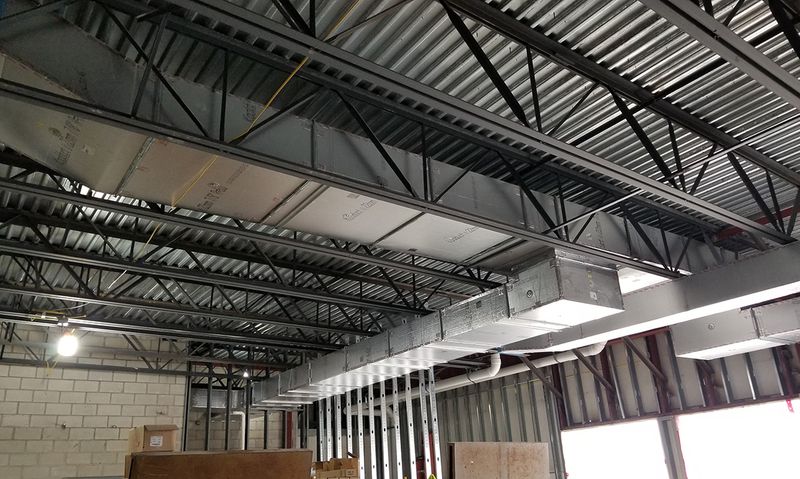
Energy efficiency has become a critical concern in modern building design, as businesses and homeowners seek to reduce operating costs, minimize environmental impact, and comply with increasingly stringent building codes. One of the key areas affecting energy consumption in HVAC systems is the ductwork, which transports heated or cooled air throughout a building. Traditional duct systems often require on-site insulation, which can lead to inconsistencies, air leakage, and thermal loss. Pre-insulated ductwork provides a reliable solution, combining factory-applied insulation with durable construction to enhance energy efficiency across the HVAC system.
Pre-insulated ductwork is designed with insulation already applied during manufacturing, ensuring uniform coverage and optimal thermal performance. These ducts typically consist of an inner metal conduit, a layer of insulation, and an outer protective jacket. The insulation reduces heat transfer between the air inside the duct and the surrounding environment, preventing energy loss and maintaining desired temperatures. By using high-quality systems like pre insulated ductwork, building owners can improve energy efficiency, streamline installation, and reduce long-term operational costs. Factory-applied insulation ensures consistency, eliminates gaps, and reduces the risk of condensation, which is a common challenge in traditional duct systems.
Reduced Thermal Loss
One of the most significant energy efficiency advantages of pre-insulated ductwork is its ability to minimize thermal loss. In conventional ducts, heat can escape from heated air in winter or enter cooled air in summer, reducing the overall efficiency of the HVAC system. Pre-insulated ducts maintain the temperature of air as it travels through the network, ensuring that rooms receive the intended level of heating or cooling. This consistency reduces the workload on HVAC equipment, which in turn lowers energy consumption and operating costs.
Minimized Air Leakage
Air leakage is another major factor that can decrease energy efficiency in HVAC systems. Gaps or improperly sealed insulation can cause conditioned air to escape, forcing the system to work harder to maintain desired indoor temperatures. Pre-insulated ducts are manufactured with a tight seal between the duct and insulation layers, reducing the potential for leakage. Additionally, the outer protective jacket helps maintain duct integrity over time, ensuring that airflow remains consistent and energy losses are minimized.
Faster Installation and Reduced Labor Costs
Pre-insulated ductwork is installed faster than traditional insulated ducts because the insulation is already applied at the factory. This reduces the labor required for wrapping or sealing ducts on-site, which can often be time-consuming and prone to errors. Faster installation not only lowers project costs but also ensures that the ducts maintain their designed energy efficiency performance without the inconsistencies that can occur with manual insulation.
Condensation Control and Moisture Protection
Condensation within ducts can lead to heat loss and compromise the energy efficiency of HVAC systems. Moisture can also promote mold growth and reduce indoor air quality. Pre-insulated ductwork is designed to minimize condensation by providing a continuous insulation layer and a moisture-resistant outer jacket. This reduces energy losses associated with thermal bridging and ensures that the system operates efficiently even in high-humidity environments.
Noise Reduction and Energy Conservation
The insulation in pre-insulated ducts not only improves thermal performance but also reduces noise from airflow and mechanical equipment. Lower noise levels contribute indirectly to energy efficiency by reducing the need for supplemental soundproofing materials or energy-consuming noise reduction systems. Effective acoustic performance combined with thermal efficiency makes pre-insulated ducts an ideal solution for commercial and residential buildings where comfort and energy conservation are priorities.
Longevity and Long-Term Energy Savings
Pre-insulated ductwork provides long-term energy efficiency benefits due to its durable construction and consistent insulation performance. Traditional ducts with on-site insulation may degrade over time, requiring re-insulation or repairs, which can increase energy consumption and maintenance costs. Factory-applied insulation in pre-insulated ducts maintains its effectiveness for years, ensuring ongoing thermal efficiency and reducing the need for frequent maintenance.
Sustainability Benefits
Energy efficiency is closely tied to environmental sustainability. By reducing energy consumption, pre-insulated duct systems contribute to lower greenhouse gas emissions associated with heating and cooling. Additionally, precise manufacturing processes reduce material waste, and many insulation materials used in these ducts are environmentally friendly. Choosing pre-insulated ductwork supports sustainable building practices while providing significant energy cost savings.
Conclusion
Pre-insulated ductwork offers multiple energy efficiency advantages over traditional duct systems, including reduced thermal loss, minimized air leakage, faster installation, moisture control, and long-term performance. By maintaining consistent temperatures, reducing workload on HVAC equipment, and lowering energy consumption, these ducts contribute to both economic savings and environmental sustainability. For modern buildings aiming to optimize energy performance and reduce operational costs, pre-insulated duct systems are a reliable and effective solution.