
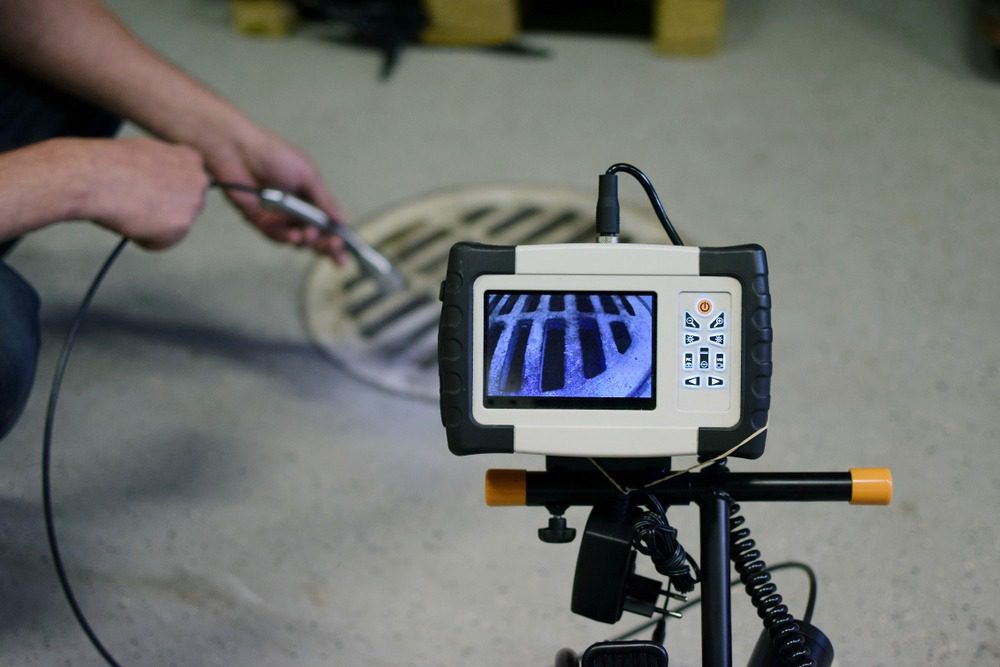
Maintaining the integrity of sewer and drainage systems is crucial for preventing costly repairs, environmental hazards, and service disruptions. Blockages and structural damage can develop gradually, often going unnoticed until severe problems arise. Sewer cameras provide an effective solution by offering real-time visual inspection from within the pipelines. These systems allow operators to identify issues early and accurately, streamlining maintenance efforts and reducing downtime.
The Role of Sewer Cameras in Modern Inspection
Sewer cameras have become an essential tool for inspecting underground pipelines without excavation. By navigating through pipes and capturing high-resolution video, these cameras reveal internal conditions that are otherwise invisible. Leading technologies like the Sewer Camera combine durable construction, flexible push rods, and advanced imaging to detect blockages, cracks, corrosion, and joint misalignment. Their ability to operate in challenging environments makes them indispensable for municipalities, industrial facilities, and contractors.
Detecting Blockages Accurately
Blockages in sewer systems can be caused by accumulated debris, grease, tree roots, sediment, or foreign objects. Sewer cameras provide precise identification of these obstructions. As the camera moves through the pipe, the operator can observe the size, location, and nature of the blockage. High-intensity LED lighting ensures clear visuals even in dark or murky conditions. Accurate detection allows maintenance teams to plan targeted interventions, reducing the need for unnecessary excavation and minimizing disruption to service.
Identifying Structural Damage
Structural damage in pipelines can include cracks, joint separations, corrosion, and deformations. Over time, these issues can lead to leaks, pipe collapses, or contamination. Sewer cameras equipped with high-resolution lenses enable operators to closely examine the pipe walls and joints. By capturing detailed images, technicians can assess the severity of damage and determine appropriate repair methods. Pan-and-tilt camera heads further enhance visibility by allowing inspection of pipe surfaces from multiple angles.
Real-Time Analysis and Decision Making
One of the significant advantages of sewer cameras is real-time analysis. Operators can make immediate decisions about cleaning, lining, or replacing affected sections based on live video feedback. Some modern systems integrate measurement tools, distance counters, and digital annotation features, allowing precise documentation of blockages and defects. This capability ensures that repair strategies are both accurate and efficient, avoiding costly trial-and-error approaches.
Benefits of Digital Recording and Reporting
Sewer cameras often include digital recording and reporting functionalities, which enhance the detection process. Videos and images captured during inspections can be stored, reviewed, and shared with engineers or maintenance managers. Annotation tools allow operators to mark defects, note measurements, and highlight areas of concern. This recorded data serves as a valuable reference for preventive maintenance programs, regulatory compliance, and long-term infrastructure planning.
Enhancing Safety During Inspections
Traditional inspection methods sometimes required operators to enter confined or hazardous spaces. Sewer cameras eliminate this risk by allowing remote observation from a safe location. Operators can navigate pipes, monitor conditions, and identify hazards without direct exposure to harmful gases, contaminated water, or confined environments. This approach improves safety while maintaining inspection accuracy.
Supporting Preventive Maintenance Strategies
Regular sewer camera inspections play a key role in preventive maintenance. By consistently monitoring pipeline conditions, operators can detect blockages and structural issues before they escalate. This proactive approach reduces emergency repairs, extends pipe lifespan, and optimizes maintenance schedules. Data collected from camera inspections can be analyzed over time to identify recurring problems and support informed decision-making.
Advanced Features for Improved Detection
Modern sewer cameras are increasingly incorporating advanced features to enhance detection capabilities. These include 360-degree imaging, AI-assisted defect recognition, and integration with mobile and cloud-based platforms. Such innovations allow operators to identify issues more quickly, generate accurate reports, and manage inspection data efficiently. These technological improvements are transforming traditional inspection methods into more intelligent and reliable processes.
Conclusion: Accurate Detection Through Sewer Cameras
Sewer cameras provide a non-invasive, precise, and efficient method for detecting blockages and structural damage in underground pipelines. Their high-resolution imaging, real-time feedback, and digital reporting capabilities enable operators to identify issues early, make informed decisions, and implement targeted maintenance. By incorporating sewer camera technology into inspection programs, municipalities, contractors, and industrial operators can ensure the long-term reliability, safety, and efficiency of their drainage infrastructure.