
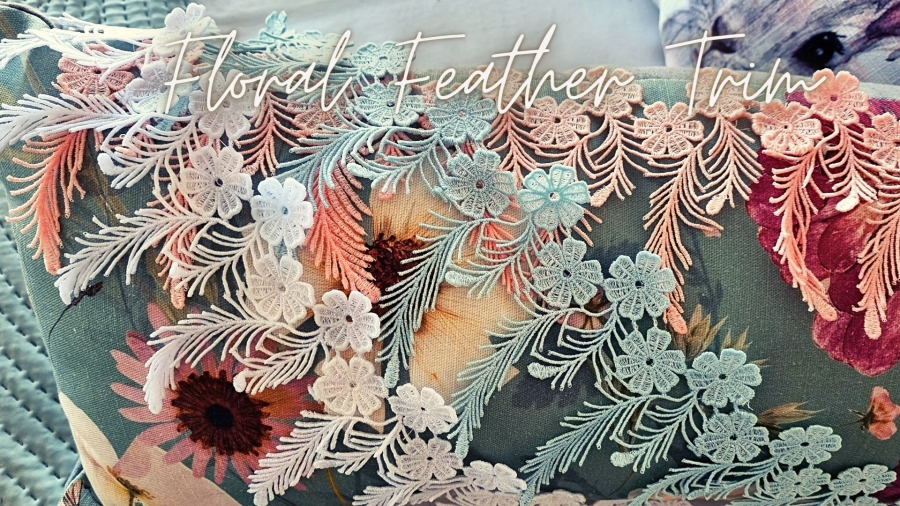
3D embroidery fabric has become a hallmark of modern textile design, prized for its ability to add dimension and visual intrigue to garments, accessories, and home textiles. Unlike traditional flat embroidery, 3D embroidery emphasizes raised motifs that bring patterns to life, creating a tactile and visually dynamic effect. Achieving this depth requires specialized techniques, careful material selection, and precise execution.
The use of 3D Embroidery Fabric involves layering, padding, and specific stitching strategies to generate height and dimension. Designers leverage these methods to transform standard fabrics into engaging textile surfaces, ensuring that embroidered elements stand out while maintaining structural integrity and durability. Understanding the techniques behind 3D embroidery is essential for both artisans and manufacturers aiming for high-quality results.
Layered Stitching Techniques
Layered stitching is one of the foundational methods for creating depth in 3D embroidery. By building multiple layers of stitches on top of each other, designers can achieve gradual height and intricate contouring. Each successive layer adds volume, allowing for smooth transitions between raised sections and the base fabric.
This technique is particularly effective for floral patterns, logos, and geometric motifs. It offers flexibility in shaping the embroidery and controlling the intensity of the raised effect, making it suitable for both bold and subtle design elements.
Use of Padding Materials
Padding is a critical component in producing three-dimensional effects. Foam, felt, or specialty backing materials are placed beneath the embroidery threads to lift them off the fabric surface. The choice of padding material depends on the desired height, texture, and rigidity of the final design.
Correctly applied padding ensures that motifs maintain their shape over time, even with frequent handling or washing. It also prevents distortion of the base fabric, which can occur if the padding is uneven or incompatible with the textile.
Satin Stitch and Fill Variations
Satin stitch is widely employed in 3D embroidery for its smooth surface and ability to create defined, elevated areas. Combining satin stitch with dense fill patterns adds volume and produces a polished look. Designers often adjust stitch length and direction to enhance visual depth and create a sense of dimensionality.
Fill variations, such as angled or layered fills, further contribute to the 3D effect by producing shadows and highlights across the surface of the motif. These subtle variations give the embroidery a more natural and dynamic appearance.
Appliqué and Layer Integration
Appliqué involves attaching additional fabric pieces to the base material before embroidering over them. This technique allows designers to introduce contrasting textures, colors, or layers that add depth to the final design. When integrated with traditional embroidery stitches, appliqué can produce complex 3D effects that are visually striking.
Using appliqué in combination with padding and layered stitching expands creative possibilities, enabling designers to achieve a sculptural quality that is difficult to replicate with flat embroidery alone.
Thread Selection and Tension Control
Thread type and tension are essential factors in 3D embroidery. Heavier threads can contribute to greater height and prominence, while fine threads are used for detailing and subtle elevation. Proper tension control ensures that raised areas remain firm without pulling or puckering the fabric.
High-quality threads with consistent thickness are crucial for achieving uniformity across the design. Inconsistent threads can lead to uneven surfaces, diminishing the three-dimensional effect and compromising visual precision.
Digital Embroidery and Precision Machinery
Modern embroidery machines equipped with digital programming capabilities allow for precise control of stitch layering, padding, and thread tension. Automated systems can execute complex 3D designs consistently, ensuring uniform height and contouring across multiple pieces.
Digital embroidery also allows for experimentation with intricate patterns, combining traditional techniques with technological accuracy. This integration of artistry and precision expands the potential applications of 3D embroidery fabric in fashion, accessories, and interior textiles.
Applications and Visual Impact
3D embroidery fabric is widely used in apparel, hats, bags, and decorative items where visual prominence is desired. Raised motifs draw attention and create a tactile experience that flat embroidery cannot provide. The interplay of light and shadow on elevated stitches enhances depth perception, contributing to the overall appeal of the textile.
By applying these techniques thoughtfully, designers can produce embroidery that is not only visually engaging but also durable and functional. The raised designs maintain their shape over time, preserving both aesthetic and structural integrity.
Conclusion: Mastering Depth in 3D Embroidery
Creating depth in 3D embroidery fabric requires a combination of layered stitching, padding, specialized fills, and careful thread management. Techniques such as appliqué integration and digital precision enhance the designer’s ability to produce intricate, elevated motifs that stand out from the base fabric. When executed correctly, these methods result in embroidery that is both visually striking and long-lasting, demonstrating the transformative potential of 3D textile design.