
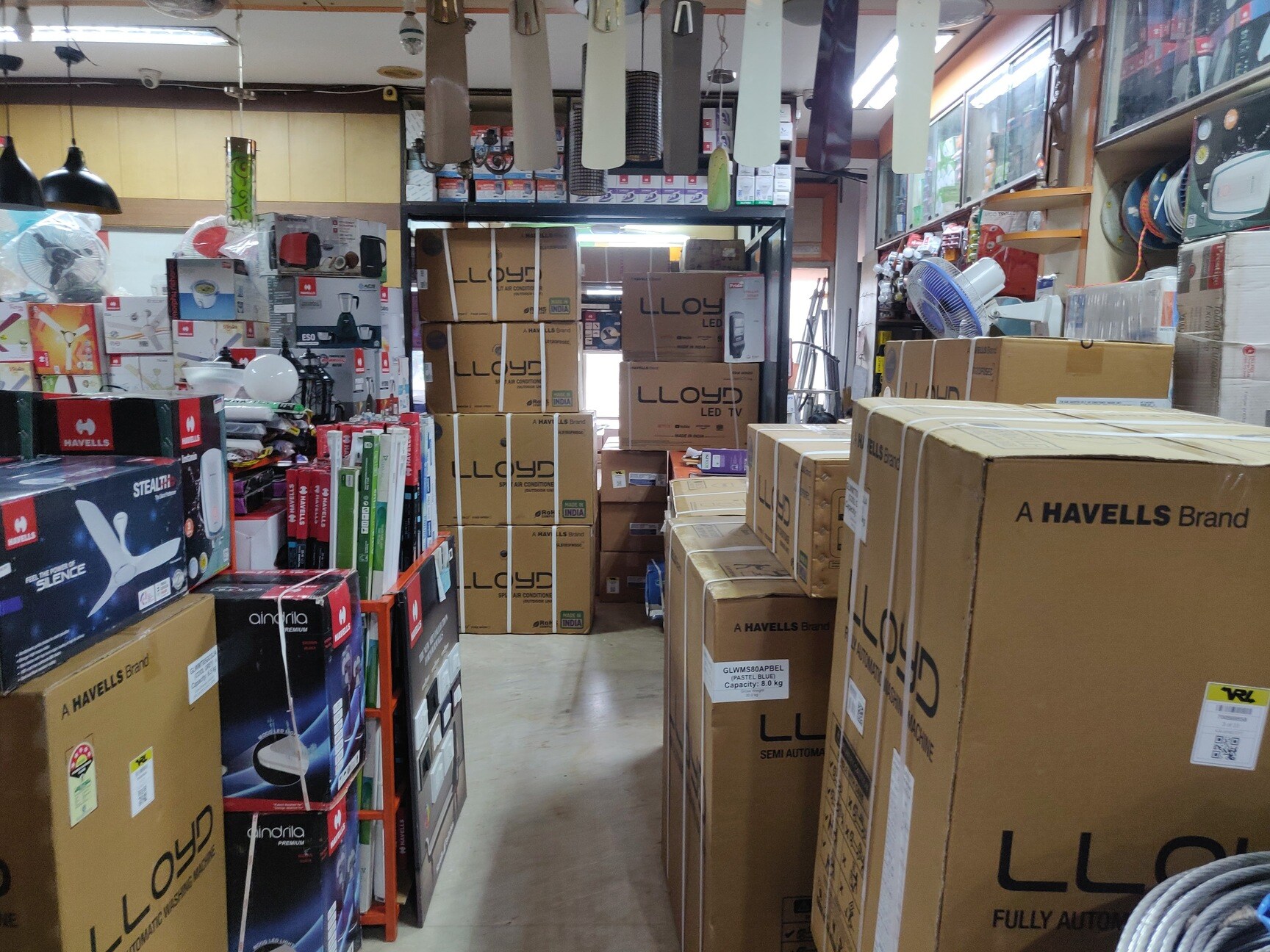
A gadget can leave its first home for many reasons. Someone upgrades a device, a retailer receives a return, or a box suffers damage while the product inside remains usable. These routes create opportunities for resale, but they do not prove that every returned item is working. The difference between a useful second-life product and a costly mistake often comes down to inspection, testing and a precise description.
Customers have different reasons for buying pre-owned or clearance electronics. Some want a lower-cost replacement for an everyday device. Others need a spare charger, a basic kitchen appliance or equipment for a temporary setup. For those buyers, condition and reliability may matter more than the newest design. A reseller who recognises these needs can organise stock around practical uses instead of promising bargain prices alone.
Sorting the unknowns
Mixed electrical goods pallets can include several categories with very different handling demands. A sealed accessory is not the same proposition as an untested appliance. One may need little preparation; the other could require specialist checks and a decision about whether resale is appropriate at all. Traders should establish what information the supplier provides, what they can verify independently and which products they cannot safely process.
Visual condition is only part of the picture. Damaged cables, overheating, loose fittings or signs of moisture can point to problems that a listing photograph will not reveal. Products with batteries may bring additional handling and transport considerations. Before offering an electrical item for sale, businesses should understand their responsibilities under applicable UK safety rules. Where competent testing is necessary, appearance should never replace it.
From warehouse shelf to honest listing
An efficient workflow begins with a receiving record. Goods can be grouped into ready for assessment, needs further testing, incomplete and unsuitable for resale. A separate area for items that have not passed checks helps avoid accidental listings. Recording serial numbers where appropriate, accessories included and visible defects makes the later description more accurate. Clear organisation saves time when a customer asks a detailed question.
It helps to describe a device in terms buyers can understand. State what was tested, what functions were not tested and what is missing. Avoid calling an item fully working if only its power light has been checked. If the original packaging is absent, photographs of the actual unit become especially useful. A customer should be able to judge the item’s limitations before deciding to purchase.
The economics behind a second chance
Purchase price is only the beginning of the calculation. Resellers also face testing time, cleaning, replacement accessories, storage, platform charges, returns and responsible disposal of unsaleable items. These costs can vary greatly by category. A seemingly cheap mixed load may be poor value if a high proportion cannot be sold safely. A slower process that protects buyers can still support a healthier business.
Businesses sometimes search electrical goods pallets to increase variety, yet the most effective choice depends on their capabilities. A seller experienced with small accessories may not have the knowledge, space or equipment to process larger appliances. The ability to assess stock consistently matters more than the number of units in a delivery. Buying within the business’s competence makes customer expectations easier to manage.
Why the second life matters
Keeping useful equipment in circulation can reduce the need to discard it prematurely, although the environmental outcome depends on repair, transport and disposal practices. Selling a product that soon fails is not a meaningful achievement for customers. The stronger contribution comes from extending genuine usability while handling dangerous or unrepairable goods through suitable routes.
Resale succeeds when the next owner receives clear information and a product fit for its intended use. That requires more effort than moving boxes from one warehouse to another. With measured purchasing, careful sorting and honest testing statements, electrical goods pallets can support a practical reuse operation. The central value is confidence: people can choose a second-life gadget knowing what it is and what it can reasonably do.