
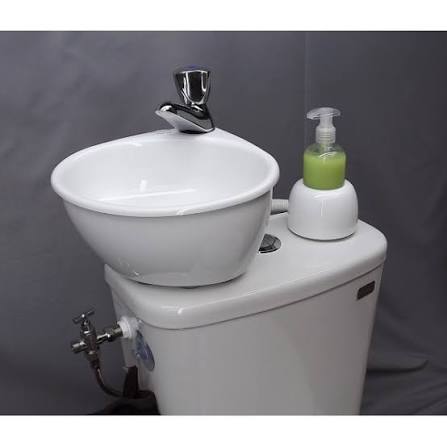
Choosing a washbasin for a compact bathroom requires careful consideration of size, design, material, and installation requirements. Although a smaller basin can save valuable space, selecting the wrong model may lead to uncomfortable handwashing, water splashes, plumbing complications, or unnecessary renovation costs. Understanding common purchasing mistakes can help homeowners make a more informed decision.
When shopping for a Small Wash Basin, it is important to balance appearance with everyday functionality. A basin should fit the available layout, provide sufficient bowl space, and complement the surrounding fixtures without restricting movement. By evaluating the following factors before purchasing, you can avoid common problems and choose a design that suits your bathroom for years to come.
1. Choosing a Basin Without Measuring the Space
One of the most common mistakes is purchasing a basin based on appearance alone. A model may look compact in a product photograph but extend too far into the room once installed.
In small bathrooms and guest toilets, even a few extra centimeters of projection can affect movement around the toilet or doorway. Measuring only the basin’s width is not enough.
How to Avoid This Mistake
Measure the available wall width, basin depth, and intended mounting height before shopping. Check the clearance between the basin, toilet, and door to ensure comfortable access.
Remember to include the dimensions of the tap, pedestal, vanity, or mounting components where applicable. Reviewing the manufacturer’s technical drawings can help confirm whether the basin will fit the intended location.
2. Prioritizing Appearance Over Functionality
A stylish basin can improve the appearance of a bathroom, but an attractive design is not necessarily practical. Some models have unusually shallow bowls, limited washing space, or edges that make cleaning more difficult.
A basin that looks elegant but causes frequent splashing may become frustrating during daily use.
How to Avoid This Mistake
Evaluate the internal bowl dimensions alongside the exterior measurements. Consider the bowl depth, shape, and tap position to determine whether the basin will provide comfortable handwashing.
If possible, inspect the product in person or review detailed photographs and specifications. Choose a design that balances visual appeal with practical performance.
3. Ignoring Bowl Depth and Splash Control
An undersized or excessively shallow bowl may allow water to splash onto the countertop, walls, or floor. This can create additional cleaning work and may increase the risk of slippery surfaces.
However, selecting a deeper bowl without considering its external dimensions can also reduce valuable clearance in a narrow room.
How to Avoid This Mistake
Look for a basin with a practical balance between internal capacity and overall projection. Check the position of the tap outlet and whether the water stream will fall comfortably within the bowl.
The shape of the basin matters as well. A well-designed bowl can help contain water more effectively than one with an unsuitable combination of depth and tap placement.
4. Selecting the Wrong Mounting Style
Wall-mounted, pedestal, corner, and countertop basins each have different space requirements. Choosing a style that does not suit the room layout can reduce its usefulness.
For example, a pedestal may occupy too much floor area, while a countertop basin with a bulky vanity may make a narrow bathroom feel crowded.
How to Avoid This Mistake
Match the mounting style to the available space and storage requirements.
- Wall-mounted basins: Suitable when open floor space and easy floor cleaning are priorities.
- Corner basins: Useful for layouts where a corner is the most practical location.
- Pedestal basins: Appropriate when a traditional appearance and partial plumbing concealment are desired.
- Countertop basins: Useful when a vanity or supporting surface can provide storage and decorative flexibility.
Compare the complete installation footprint rather than considering the bowl alone.
5. Overlooking Material Quality
The basin material influences its appearance, maintenance requirements, and resistance to everyday wear. Ceramic, porcelain, and solid-surface products can all be suitable, but their characteristics vary by construction and manufacturer.
Choosing solely by material name or price may lead to an unsuitable purchase. Even a commonly used material can perform poorly if the finish or manufacturing quality is inadequate.
How to Avoid This Mistake
Review the product’s technical specifications, surface finish, warranty, and care instructions. Check for information about durability, cleaning methods, and any limitations associated with the material.
For everyday household use, a smooth, easy-to-clean surface is often practical. Also consider whether the finish complements the bathroom’s existing fixtures and décor.
6. Forgetting About Plumbing Compatibility
A basin may fit the available space but still require extensive plumbing changes. Differences in tap holes, waste outlets, and water supply connections can complicate installation.
These adjustments may increase labor costs and extend the renovation timeline.
How to Avoid This Mistake
Before purchasing, inspect the existing plumbing layout and compare it with the basin’s installation drawings. Confirm the waste outlet position, tap configuration, and required fittings.
If the basin is intended to replace an existing fixture, a model compatible with the current connections may simplify the work.
When pipes need to be relocated or concealed, consult a qualified plumber before finalizing your choice.
7. Underestimating Installation Requirements
Some buyers assume that a small basin will be easy to install because of its size. However, mounting requirements depend on the fixture design, wall construction, supporting surface, and plumbing arrangement.
A wall-mounted basin, for instance, may require reinforcement if the wall cannot safely support its load. Incorrect installation can result in instability, leaks, or damage to the surrounding surfaces.
How to Avoid This Mistake
Read the manufacturer’s installation instructions before purchasing. Confirm whether the required brackets, fixings, and templates are included or need to be purchased separately.
For countertop models, verify that the supporting surface can accommodate the basin and its connections. Seek professional assistance when structural reinforcement or significant plumbing alterations are required.
8. Choosing a Basin That Is Difficult to Clean
Complex contours, narrow gaps, and awkwardly positioned fittings can make routine cleaning inconvenient. This matters particularly in small bathrooms, where restricted access may make it harder to reach the area around the fixture.
A basin that requires excessive effort to maintain may lose its attractive appearance over time.
How to Avoid This Mistake
Look for a design with accessible edges, a practical bowl shape, and a finish suited to regular cleaning. Consider whether the area around the tap and waste fitting can be reached easily.
Review the manufacturer’s care instructions and avoid assuming that every surface can tolerate the same cleaning products. Non-abrasive cleaners and soft cloths are generally suitable for many glazed finishes, but product-specific guidance should always take priority.
9. Neglecting Storage and Accessory Placement
A small basin can become inconvenient if there is nowhere to place soap or if essential accessories are difficult to reach. Conversely, adding a large vanity or multiple shelves can overcrowd the room.
The challenge is to provide necessary storage without sacrificing movement space.
How to Avoid This Mistake
Plan the positions of the mirror, soap dispenser, towel holder, and any storage unit before installation. Wall-mounted accessories can reduce countertop clutter, while a compact vanity may offer useful storage if the room has sufficient clearance.
Keep essential items within comfortable reach, and ensure they do not obstruct the tap or interfere with handwashing.
10. Failing to Consider Accessibility and Comfort
A basin may fit perfectly into a room but still be uncomfortable to use if its height or position is unsuitable. This can be particularly important in family bathrooms or guest toilets used by people with different mobility needs.
Insufficient clearance can also make approaching the basin or reaching the tap difficult.
How to Avoid This Mistake
Consider who will use the bathroom and how frequently the basin will be needed. Select a suitable mounting height and ensure there is enough room to stand comfortably in front of the fixture.
Where accessibility is important, check relevant local requirements and allow appropriate approach and clearance space. A qualified installer can help determine a suitable arrangement for the intended users.
11. Focusing Only on the Purchase Price
A low-cost basin may appear attractive initially, but the final expense includes more than the fixture itself. Mounting hardware, taps, waste fittings, plumbing adjustments, and professional installation can all affect the budget.
A more expensive model may also provide little additional value if its dimensions or features do not suit the room.
How to Avoid This Mistake
Compare the total installed cost of different options. Review the material quality, warranty, maintenance requirements, and compatibility with existing plumbing.
Consider these factors before making a decision:
- Basin dimensions and usable bowl capacity
- Material and finish quality
- Required taps and drainage fittings
- Installation labor and possible plumbing changes
- Warranty coverage and replacement-part availability
- Cleaning and long-term maintenance needs
Comparing the complete cost helps identify a basin that offers suitable value without unnecessary expenses.
12. Ignoring the Bathroom’s Overall Design
A basin that clashes with the surrounding fixtures can make a small bathroom feel visually disorganized. Differences in shape, color, finish, and proportions may be particularly noticeable when the room has limited decorative space.
However, matching every item exactly is not always necessary. A coordinated design can work just as well when finishes complement rather than duplicate one another.
How to Avoid This Mistake
Consider the basin alongside the toilet, tap, mirror, tiles, and lighting. A simple white basin can work with many interior styles, while contrasting finishes can add interest when used selectively.
Choose proportions that suit the room and avoid oversized decorative accessories. Keeping the design relatively consistent helps create a clean, balanced appearance.
13. Skipping the Final Product and Warranty Checks
Product photographs may not show every detail that affects usability. Buyers can overlook the exact dimensions, included accessories, mounting requirements, or warranty conditions when ordering online.
These omissions can create avoidable problems after delivery.
How to Avoid This Mistake
Before confirming your purchase, check the manufacturer’s product specifications and installation drawings. Verify what is included, what must be purchased separately, and whether the basin is suitable for your intended mounting method.
Review delivery conditions and inspect the basin for visible damage when it arrives. Keep the product documentation and warranty information for future reference.
A Practical Checklist Before Buying a Small Wash Basin
Use this checklist to evaluate your options before making a final decision.
- Measure the available width, depth, and mounting height.
- Check clearance around the toilet, doorway, and other fixtures.
- Compare internal bowl dimensions and splash-control features.
- Choose a mounting style that suits the room layout.
- Review material quality, finish, and cleaning instructions.
- Confirm compatibility with existing plumbing.
- Check installation requirements and supporting structures.
- Plan storage and accessory placement.
- Compare the total installed cost rather than the purchase price alone.
- Review the warranty and product specifications.
Completing these checks can make the buying process more straightforward and reduce the risk of choosing an unsuitable fixture.
Conclusion
Buying a small washbasin involves more than finding a model that fits a limited space. Measurements, bowl depth, mounting style, material quality, plumbing compatibility, and installation requirements all influence the basin’s long-term practicality.
The most common mistakes occur when buyers prioritize appearance or initial cost while overlooking everyday usability. By reviewing product specifications, considering the complete room layout, and planning installation in advance, homeowners can avoid unnecessary complications.
A carefully selected basin can provide comfortable handwashing, simplify maintenance, and complement the bathroom’s design. Taking time to compare the available options helps ensure that a compact fixture delivers both functionality and lasting value.