
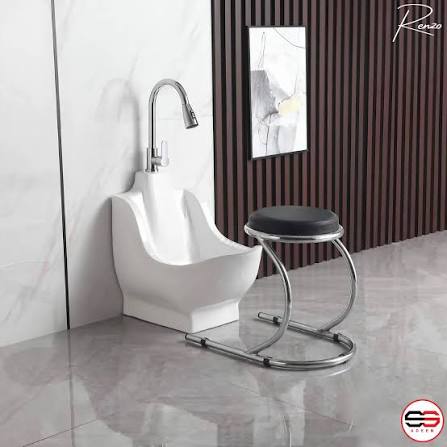
Daily ablution is an important part of Muslim life, and having a suitable washing area can make the process more comfortable and convenient. A well-designed ablution space helps people perform wudu efficiently while maintaining cleanliness and minimizing unnecessary water splashes. Whether installed in a home bathroom, a private prayer room, or a mosque, the right sink can improve the overall washing experience.
Traditional bathroom sinks may not always provide the space, height, or layout needed for comfortable ablution. A dedicated design can offer practical features that support different washing positions, simplify cleaning, and make better use of available space. Understanding these benefits can help homeowners and facility managers create a more functional ablution area.
What Makes a Wudu Sink Different from a Regular Sink?
A conventional bathroom sink is primarily designed for activities such as washing hands, brushing teeth, and basic personal hygiene. A dedicated wudu sink may have a different shape, height, depth, or seating arrangement to make ablution more convenient.
Depending on the model, it may include a wider washing area, a specially positioned faucet, or an integrated space for comfortable foot washing. Some designs are intended for seated use, while others accommodate standing users.
These features can make a difference during daily ablution, especially for people who perform wudu several times a day. The most suitable design depends on the user’s needs, the available room, and the intended installation.
How a Wudu Sink Improves Daily Comfort
Comfort is one of the main reasons to consider a dedicated ablution fixture. Small design improvements can reduce awkward movements and make the washing process easier to manage.
A More Comfortable Washing Position
A sink positioned at an appropriate height can reduce the need to bend excessively while washing the face, arms, and hands. Depending on the design, users may be able to sit comfortably while performing certain parts of ablution.
This can be especially helpful for older adults and people who experience difficulty standing for extended periods. When choosing a fixture, consider the height of the basin, the position of the faucet, and the amount of legroom available.
Easier Access to Water
A well-planned basin provides convenient access to water without requiring users to reach awkwardly across the fixture. The faucet should be positioned so that water flows into the washing area rather than onto the surrounding floor.
When comparing a Wudu Sink, consider the basin’s shape, usable depth, and faucet placement. These details can help determine whether the design will support a comfortable and practical daily routine.
Better Support for Different Users
A household may include adults, children, and older family members, each with different comfort requirements. In shared facilities, users may also have varying heights and mobility needs.
Choosing a suitable sink height and providing sufficient approach space can make the washing area easier to use. Where necessary, accessible designs, stable seating, and appropriate support features can improve convenience for people with limited mobility.
How a Wudu Sink Makes Ablution More Convenient
A dedicated ablution fixture can simplify everyday routines by providing a space designed specifically for washing before prayer.
A More Organized Ablution Area
Using a purpose-built sink can help separate ablution from other bathroom activities. This is useful in busy households where several people share one bathroom or where a dedicated prayer room has limited space.
In mosques, a thoughtfully planned ablution area can help organize the movement of worshippers before prayer times. Multiple washing stations, adequate spacing, and clear pathways can reduce congestion and make the space easier to navigate.
Reduced Water Splashes
Water splashing onto the floor can create additional cleaning work and increase the risk of slipping. Basin depth, shape, faucet flow, and the position of the user all influence how much water escapes the washing area.
A well-designed sink can help contain splashes, although its performance also depends on correct installation and use. Pairing it with suitable floor drainage and slip-resistant flooring can further improve safety.
Easier Cleaning and Maintenance
A dedicated washing area should be easy to clean after repeated use. Smooth, durable surfaces can help prevent residue from accumulating and make routine maintenance more straightforward.
Wall-mounted designs may provide easier access to the floor beneath the fixture, while other designs may offer convenient access to plumbing components. The best option depends on the installation and the way the sink is constructed.
Regularly clean the basin, faucet, and surrounding surfaces. Check drains for blockages and inspect plumbing connections for leaks to keep the area hygienic and functional.
Choosing the Right Wudu Sink for Your Home
For residential use, space, comfort, and ease of maintenance are usually the main priorities. A compact wall-mounted sink may suit a small bathroom, while a larger basin may be more appropriate for a dedicated ablution room.
Before purchasing, measure the available space and consider how the sink will fit with nearby fixtures, doors, and walking paths. Confirm that the water supply and drainage connections are compatible with the selected model.
Material selection also matters. Ceramic and porcelain are common choices because their smooth surfaces are generally straightforward to clean. Solid-surface materials may offer a seamless appearance, depending on the product design. Compare the manufacturer’s care instructions, durability specifications, and repair options before deciding.
If several family members will use the sink, consider whether its height, basin dimensions, and washing position will be comfortable for everyone.
Selecting a Wudu Sink for a Mosque or Shared Facility
Mosques and other communal facilities often experience concentrated demand before daily prayers. A suitable design should accommodate frequent use while supporting efficient cleaning and safe movement.
Consider the number of users, the available floor area, and the expected flow of people through the ablution room. A series of appropriately spaced washing stations may be more practical than a single large fixture in a busy facility.
Durability is particularly important in these environments. Select materials designed to withstand frequent cleaning and repeated exposure to water. Ensure that faucets and drains can handle the expected demand and that plumbing components remain accessible for maintenance.
Accessibility should also be part of the planning process. Providing suitable washing stations, seating where appropriate, and unobstructed routes can make the facility more usable for people with different physical needs.
Water Efficiency and Hygiene Benefits
A comfortable ablution area should also encourage responsible water use. Faucets with suitable flow rates and easy-to-operate controls can help users avoid unnecessary consumption. In larger facilities, water-efficient fittings may reduce overall usage without compromising the washing experience.
Hygiene depends on more than the sink itself. The basin, faucets, floors, and drainage system should be cleaned regularly. Good ventilation and prompt removal of standing water can also help maintain a pleasant environment.
Choose cleaning products that are compatible with the sink material, and avoid abrasive tools that could damage its finish. Establishing a simple maintenance schedule is particularly valuable in mosques, where high usage can lead to faster accumulation of residue.
Practical Features to Consider Before Buying
Before choosing a dedicated ablution fixture, evaluate the following features:
- Suitable dimensions: Ensure the basin fits the available space and supports comfortable washing.
- Ergonomic design: Check the height, faucet position, and washing area.
- Durable material: Choose a surface that suits the expected frequency of use.
- Effective drainage: Confirm that the drain and surrounding floor can manage water efficiently.
- Easy maintenance: Look for surfaces and components that are simple to clean and service.
- Accessibility: Consider the needs of older adults and people with limited mobility.
- Installation compatibility: Check mounting requirements, plumbing connections, and available support.
Reviewing these factors before purchasing can help prevent installation problems and ensure the sink meets everyday needs.
Conclusion
A well-designed wudu sink can make daily ablution more comfortable, convenient, and hygienic. Features such as appropriate basin height, accessible faucet placement, practical dimensions, and easy-to-clean surfaces can improve the washing experience for individuals and families.
In mosques and shared facilities, thoughtful layout planning, durable materials, efficient drainage, and accessible washing stations are equally important. By considering the users, available space, and maintenance requirements before purchasing, you can create an ablution area that supports daily routines while remaining safe, organized, and practical over time.